
In the competitive digital landscape of 2026, are you focusing solely on building backlinks while ignoring the silent power of brand mentions? A balanced approach is crucial for sustainable success. The reason why brand mentions and links together beat either alone is that this combination creates a more natural, authoritative, and resilient SEO profile that search engines like Google and their AI-driven features reward. While links provide direct ranking power, mentions build the contextual trust and brand entity recognition that modern algorithms crave.
This integrated strategy is no longer optional; it’s the core of a sophisticated SEO powerhouse. By pursuing both high-quality backlinks and positive brand chatter, you build a profile that not only climbs the search engine results pages (SERPs) but also establishes genuine authority and audience trust. This guide breaks down the differences, synergies, and actionable techniques to master both for maximum impact.
Understanding Brand Mentions in Modern SEO
A brand mention is any online reference to your brand, products, or key personnel without a hyperlink to your website. These can appear in news articles, blog posts, forum discussions, social media updates, or customer reviews. For years, these unlinked citations were seen as missed opportunities. However, with the evolution of search engine algorithms and the rise of Large Language Models (LLMs), their significance is reshaping SEO.

Search engines like Google are now highly adept at entity recognition and contextual understanding. They can connect these unlinked brand mentions back to your brand’s entity, treating them as implicit signals of authority and relevance. Think of it as digital word-of-mouth. The more your brand is discussed positively across the web, the more Google understands its prominence and credibility within your niche, which can indirectly influence rankings and visibility in AI Overviews.
The Enduring Importance of High-Quality Backlinks
While brand mentions are gaining prominence, high-quality backlinks remain a foundational pillar of SEO. A backlink from a reputable, relevant website is a direct and powerful vote of confidence. It tells search engines that another authority in your space trusts your content enough to send their own audience to it. This transfer of authority, often referred to as ‘link juice’, has a direct and measurable impact on your site’s ability to rank for competitive keywords.

In 2026, the emphasis is squarely on quality over quantity. A single link from a high Domain Authority (DA) site is worth more than hundreds of low-quality or spammy links. For businesses in high-stakes niches like iGaming, finance, or crypto, securing powerful links is non-negotiable. This is where strategic solutions like a PBN backlinks network built on aged, authoritative domains provide a critical competitive edge, delivering the raw power needed to move the needle quickly. To learn more, you can review our complete buyer’s guide for making informed decisions.
Understanding the unique roles of brand mentions and backlinks is key to building a holistic strategy. While both contribute to your online authority, they function in different ways and offer distinct advantages. One provides a direct, technical signal, while the other builds a broader, more human-centric layer of trust. Acknowledging these differences allows you to allocate resources effectively and build a truly resilient digital presence.
The following table breaks down the core distinctions between these two critical SEO assets, from the type of signal they send to search engines to the effort required to acquire them.
| Feature | Brand Mentions | Backlinks |
|---|---|---|
| Signal Type | Contextual, Trust, and Entity Signal | Direct Authority and Relevancy Signal (PageRank) |
| Primary Impact | Builds brand authority, social proof, and E-E-A-T. | Directly improves page and domain authority, boosting rankings. |
| Acquisition Effort | Often organic (great product/service, PR) but can be encouraged. | Requires active outreach, content creation, or strategic purchase. |
| Measurement | Harder to quantify direct SEO impact; tracked with monitoring tools. | Easily tracked; direct correlation with ranking improvements. |
Signal to Search Engines and AI Overviews
Backlinks serve as direct, well-understood signals. They are the roads of the internet that search engine crawlers use to discover pages and determine their relative importance. A link passes authority and relevance, directly telling Google that Page A vouches for Page B. This is a foundational ranking factor that has been at the core of Google’s algorithm for decades.
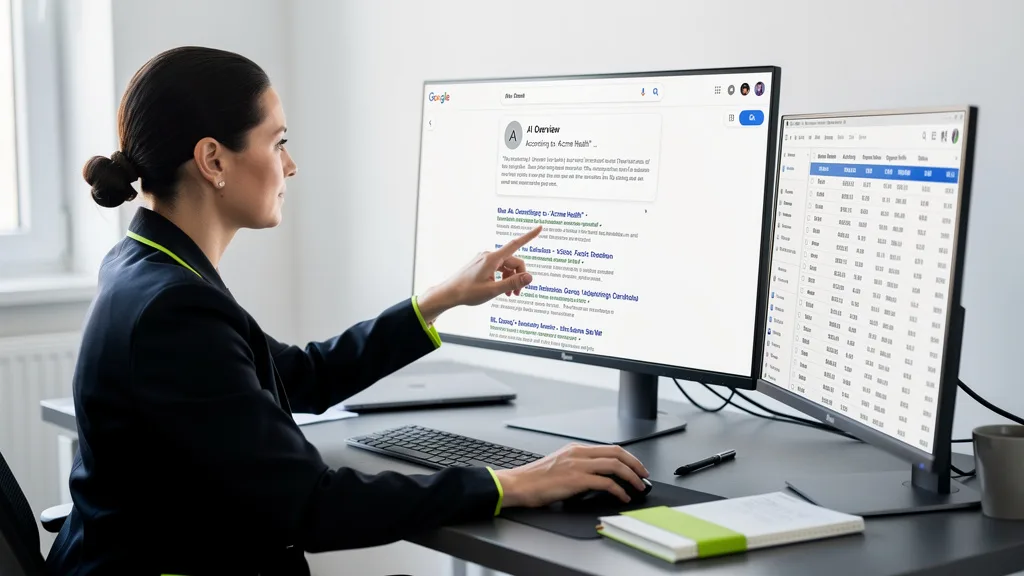
Brand mentions, conversely, are more subtle. They are contextual signals that help search engines and AI Overviews build a comprehensive understanding of your brand as a real-world entity. When your brand is mentioned on various third-party platforms alongside relevant topics, it reinforces your expertise and trustworthiness. This helps Google confidently feature your brand as an authority, even without a direct link. aged, authoritative domains.
Acquisition Effort and Scalability
Acquiring high-quality backlinks typically requires a proactive, resource-intensive effort. This involves creating link-worthy content, conducting outreach campaigns, building relationships, or making strategic investments in link acquisition services. The process is manual and can be challenging to scale quickly without significant budget or a dedicated team. For example, building out a strategy using PBN links for affiliate sites requires careful planning and execution to achieve results.
Brand mentions can often be generated more organically as a byproduct of excellent products, customer service, and strong public relations. A viral marketing campaign or a genuinely helpful piece of content can generate hundreds of mentions without direct outreach. While this can be less predictable, it is highly scalable. Encouraging satisfied customers to share their experiences online is a powerful way to generate a steady stream of positive mentions.
Impact on Authority and Audience Trust
The authority built by backlinks is primarily technical and recognized by search engines. It directly boosts your website’s ‘Domain Authority’ or ‘Domain Rating’ scores in SEO tools, which correlates strongly with higher search rankings. This is a crucial, behind-the-scenes factor that determines your visibility in the SERPs.
In 2026, a brand that is talked about is a brand that is trusted. While a backlink provides a direct SEO boost, a brand mention builds the foundational trust that converts users and reinforces your authority in the eyes of evolving search engines.
Brand mentions, on the other hand, build authority directly with your human audience. When a potential customer sees your brand mentioned positively on a trusted review site, a niche community forum, or by an influential voice on social media, it builds immediate social proof and trust. This brand recognition can influence their purchasing decisions and increase click-through rates from the SERPs, creating a powerful flywheel effect.
Measurement and Direct SEO Impact
The impact of backlinks is relatively straightforward to measure. SEO tools like Ahrefs, Moz, and Semrush allow you to track new and lost backlinks, monitor your authority scores, and correlate link acquisition with ranking improvements for target keywords. This direct cause-and-effect relationship makes it easier to calculate the ROI of your link-building efforts.
Measuring the direct SEO impact of brand mentions is more complex. While tools like Brand24 or Google Alerts can track when and where your brand is mentioned, tying a specific mention to a ranking increase is difficult. Their impact is more holistic, contributing to overall brand authority, organic visibility, and direct traffic from users who search for your brand after seeing it mentioned elsewhere.
Why a Combined Strategy Is an SEO Powerhouse in 2026
Focusing on either brand mentions or backlinks in isolation leaves significant value on the table. A backlink profile without corresponding brand chatter can appear unnatural, while a brand with many mentions but few authoritative links may struggle to rank for competitive terms. The true power lies in their synergy, where each component amplifies the other’s effectiveness, which is why brand mentions are the hidden gold of SEO.
Building a Natural and Diverse Authority Profile
Search engines are constantly on the lookout for manipulative link schemes. A website that suddenly acquires dozens of high-DA backlinks without any corresponding increase in brand discussion can raise red flags. A healthy, natural authority profile features a mix of high-authority links, niche-relevant links, and a steady stream of brand mentions across various platforms.

This diversity signals to Google that your brand is a legitimate, growing entity that is earning its authority through both direct endorsements (links) and organic conversation (mentions). This makes your overall profile more resilient to algorithm updates and harder for competitors to replicate. It’s the digital equivalent of being both well-connected and well-regarded.
Enhancing Your E-E-A-T Signals for Google
Google’s E-E-A-T (Experience, Expertise, Authoritativeness, and Trustworthiness) guidelines are more important than ever, especially in ‘Your Money or Your Life’ (YMYL) niches. A combined strategy directly feeds these signals. High-quality backlinks from established websites build Authoritativeness. At the same time, brand mentions in expert forums, positive customer reviews, and articles written by people with first-hand experience demonstrate Experience, Expertise, and Trustworthiness.
When Google’s algorithms see your brand linked to by an industry authority and simultaneously discussed positively by real users, it creates a powerful and coherent E-E-A-T narrative. This comprehensive validation is precisely what Google looks for when deciding which sites to rank at the top for sensitive or important queries.
Converting Unlinked Mentions into Powerful Backlinks
One of the most potent tactics in a combined strategy is link reclamation, the process of turning unlinked brand mentions into active backlinks. This is a highly efficient form of link building because the hardest part, getting mentioned, is already done. The author of the content already knows and values your brand enough to write about it.
Using monitoring tools, you can identify these opportunities in real time. A simple, polite email to the author or webmaster pointing out the mention and suggesting they add a link to your site for their readers’ convenience often has a high success rate. This single action transforms a passive trust signal into a direct authority-passing backlink, giving you the best of both worlds.
Techniques to Increase Both Mentions and Links
Proactively working to generate both mentions and links is the hallmark of a mature digital marketing strategy. The following techniques are designed to create assets and foster engagement that naturally attract both forms of authority.
- Link-Worthy Content: Develop ultimate guides, original research studies, and free online tools that become go-to resources in your industry.
- Community Engagement: Actively and helpfully participate in niche forums and social media groups relevant to your audience.
- Digital PR: Craft compelling stories and data to pitch to journalists and bloggers for high-authority placements.
- User-Generated Content: Encourage and amplify customer reviews, testimonials, and social media posts about your brand.
- Strategic Partnerships: Collaborate with non-competing brands or influencers on co-branded content or campaigns.
Develop High-Quality, Link-Worthy Content Assets
The foundation of any successful link and mention generation campaign is exceptional content. This goes beyond standard blog posts. Think about creating cornerstone assets that are so valuable people feel compelled to reference and link to them. This could be a comprehensive data study, an interactive tool, an in-depth ‘how-to’ guide, or a thought-provoking whitepaper.
When you create the definitive resource on a topic, it naturally becomes a magnet for both links from other bloggers and mentions in discussions where people are seeking information. The key is to solve a real problem for your audience in a way that no one else has. Knowing how many links to include in a blog post you write is just one part of a much larger content strategy.
Engage Authentically in Niche Communities and Forums
Your target audience is already having conversations online, whether on Reddit, Quora, Facebook groups, or specialized industry forums. Becoming a valued member of these communities is a powerful way to build brand recognition and generate organic mentions. The goal is not to spam links but to provide genuine, helpful answers and insights.
By establishing yourself or your brand as a helpful expert, you build trust. When someone asks a question you’ve answered well, others will start mentioning your brand as a reliable source of information. Over time, this community management builds a groundswell of positive sentiment and organic mentions that are impossible to buy.
Leverage Digital PR for High-Authority Placements
Digital Public Relations (PR) is one of the most effective methods for securing both high-authority backlinks and prominent brand mentions simultaneously. Instead of just asking for a link, you are pitching a newsworthy story, a unique data set, or an expert opinion to journalists and editors at major publications.
When a publication like Forbes or a top industry journal picks up your story, you typically get a powerful backlink and multiple mentions of your brand within the article. This exposure not only drives significant SEO value but also puts your brand in front of a massive new audience, reinforcing the debate around Link Building vs Brand Mentions by showing how to achieve both.
Encourage and Amplify User-Generated Content
Your happiest customers can be your most effective marketers. Actively encourage them to share their experiences with your brand online. This can be achieved through post-purchase email campaigns asking for reviews, social media contests that reward users for sharing photos with your product, or simply by creating a brand hashtag. PBN backlinks network.
When a customer leaves a positive review on a third-party site or posts about your brand on social media, it creates an authentic brand mention that builds social proof. By monitoring and amplifying this user-generated content (UGC), you can turn individual customer experiences into a widespread marketing asset that generates ongoing brand chatter.
Essential Tools for Tracking Your Online Presence
To effectively manage a combined link and mention strategy, you need the right tools to monitor your performance. A comprehensive toolkit will allow you to track your backlink profile’s growth, discover new unlinked mentions, and keep an eye on your competitors’ strategies. Without data, you are operating in the dark.
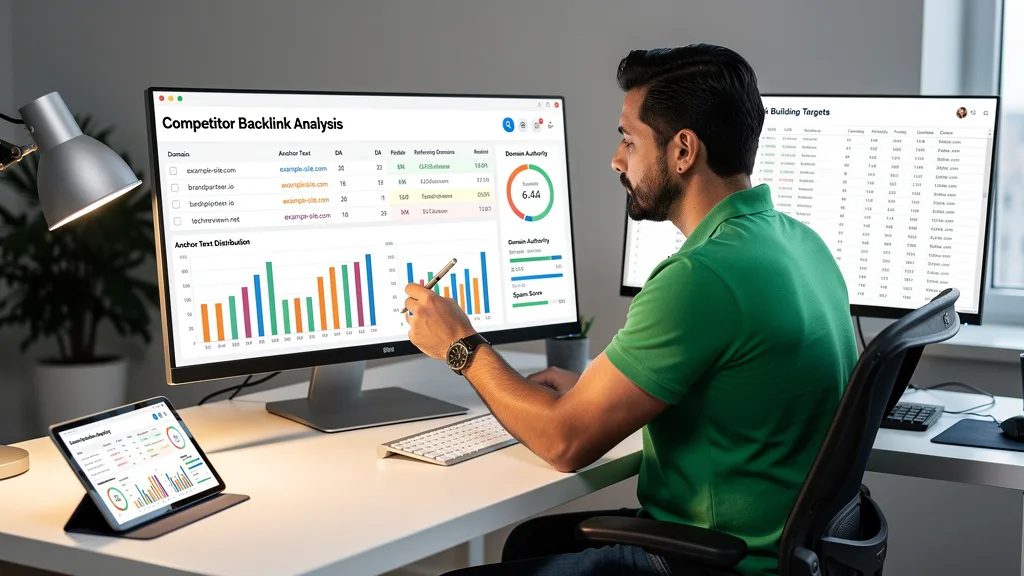
For backlink analysis, industry-standard tools like Ahrefs, Semrush, and Moz Pro are indispensable. They provide detailed insights into your link profile, anchor text distribution, and referring domains. For tracking brand mentions, tools such as Brand24, Mention, and the free Google Alerts are essential. These services scan the web in real-time and notify you whenever your brand name is mentioned, allowing you to engage with the conversation or pursue link reclamation opportunities.
Key Takeaways
To dominate search in 2026, your strategy must evolve beyond a single focus. Integrating brand mentions and backlinks creates a synergistic effect that builds a more powerful, natural, and resilient online presence. Here are the key points to remember:
- Different Signals, Common Goal: Backlinks are direct authority signals, while brand mentions are contextual trust signals. Both work together to convince search engines and users of your credibility.
- Natural Profile: A mix of powerful links and organic brand chatter creates a diverse and defensible authority profile that is less susceptible to algorithm updates.
- Amplify E-E-A-T: A combined strategy is one of the most effective ways to demonstrate your Experience, Expertise, Authoritativeness, and Trustworthiness to Google.
- Active Pursuit: Generate both by creating link-worthy assets, engaging in communities, leveraging digital PR, and converting unlinked mentions into valuable backlinks.
- Measurement is Key: Use a combination of backlink analysis tools and brand monitoring platforms to track your progress and identify new opportunities.
Frequently Asked Questions
Do keywords still matter for SEO in 2026?
Yes, keywords absolutely still matter for SEO in 2026, but their role has evolved. Instead of focusing on exact-match keyword density, the emphasis is now on topic relevance, search intent, and natural language. Keywords are the foundation that helps you understand what users are searching for.
Think of keywords as guideposts for creating comprehensive content that fully answers a user’s query. Search engines are sophisticated enough to understand synonyms, context, and related concepts. A well-optimized page will naturally include the primary keyword and a host of related terms, signaling to Google that your content is a thorough resource on that topic.
How do you turn an unlinked brand mention into a backlink?
Turning an unlinked mention into a backlink, a process known as link reclamation, is a highly effective tactic. First, use a brand monitoring tool like Brand24 or Google Alerts to find articles or posts that mention your company name but do not link to your website. Prioritize mentions on high-quality, relevant sites.
Next, find the contact information for the author or webmaster. Send them a polite and personalized email. Thank them for mentioning your brand, and then gently suggest that adding a link to your site would provide extra value for their readers by allowing them to learn more. Keep the request simple and friendly for the highest success rate.
Can negative brand mentions hurt your SEO performance?
Yes, widespread negative brand mentions can indirectly hurt your SEO performance. While Google has stated that negative sentiment is not a direct ranking factor, it can erode the trust signals that are crucial for E-E-A-T. A flood of poor reviews or negative press can lead to lower click-through rates in the SERPs and a decrease in brand-name searches, both of which can signal to Google that your site is less relevant or trustworthy.
Therefore, managing your online reputation is a critical part of modern SEO. It’s important to monitor brand mentions, respond to negative feedback professionally, and proactively encourage positive reviews. A strong reputation builds the trust that underpins long-term SEO success.
What is the role of schema markup with brand mentions?
Schema markup plays a crucial role in helping search engines connect the dots between your brand mentions and your official online presence. By implementing `Organization` or `Person` schema on your website, you provide a clear, machine-readable signal to Google that defines your brand as a specific entity.
This structured data helps disambiguate your brand from others with similar names and solidifies the connection when Google’s crawlers find unlinked mentions of your brand across the web. It essentially tells Google, “When you see this name mentioned, this is the official entity it refers to.” This strengthens the value of every brand mention as a signal of your authority.
Are brand mentions or backlinks more important for local SEO?
For local SEO, both brand mentions and backlinks are critically important, and they are often intertwined. Backlinks from other local businesses, chambers of commerce, and local news sites are powerful signals of local relevance. They tell search engines that you are an active and recognized part of the local community.
Simultaneously, brand mentions in the form of Name, Address, and Phone number (NAP) citations in local directories are fundamental to local search rankings. Furthermore, customer reviews on platforms like Google Business Profile, Yelp, and TripAdvisor are a form of brand mention that heavily influences local pack rankings and customer trust. A successful local SEO strategy requires a strong focus on both.
Conclusion
In 2026, the debate over brand mentions vs. backlinks is settled: the clear winner is a unified strategy that leverages both. Relying on one while ignoring the other leaves your brand vulnerable and limits your growth potential. By building authoritative links to power your rankings and fostering a positive stream of brand mentions to build trust and contextual relevance, you create a holistic, resilient, and dominant SEO presence that is built for long-term success.
Ready to build the authority side of your SEO strategy with powerful, footprint-free backlinks? Our high-DA PBN links provide the ranking power you need to dominate competitive niches and give your brand the technical foundation it deserves. Secure the links that move the needle. Get Started today.