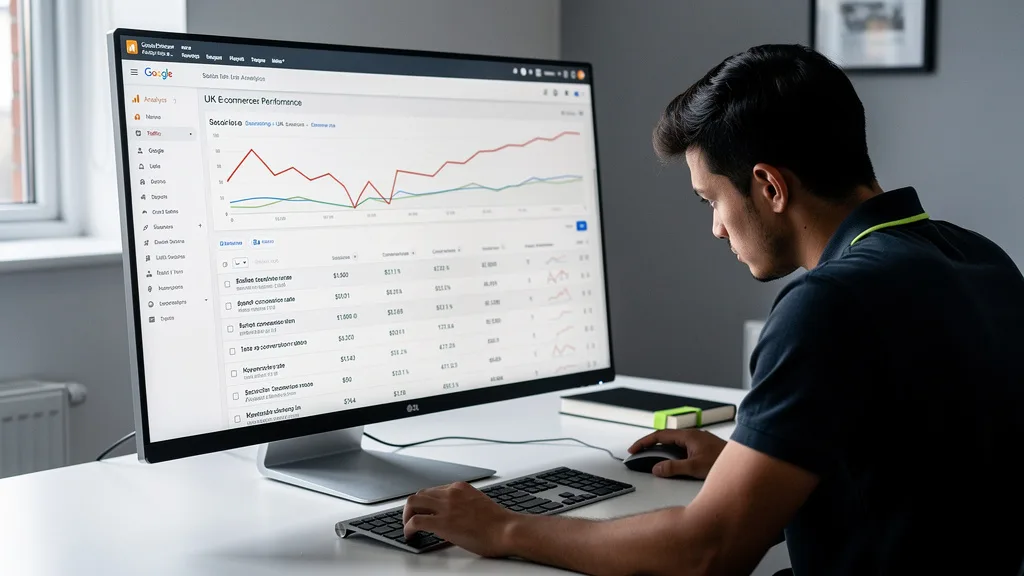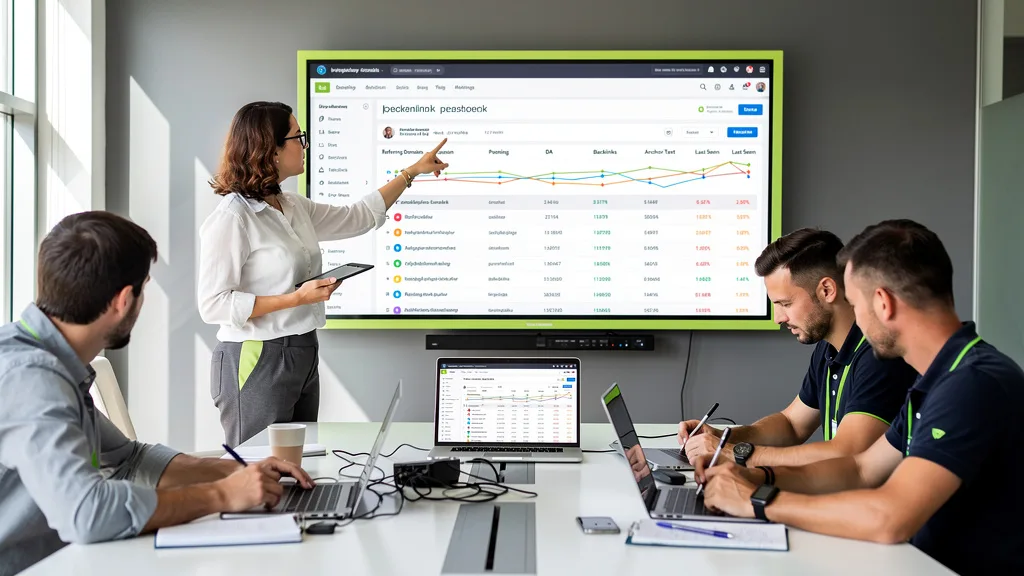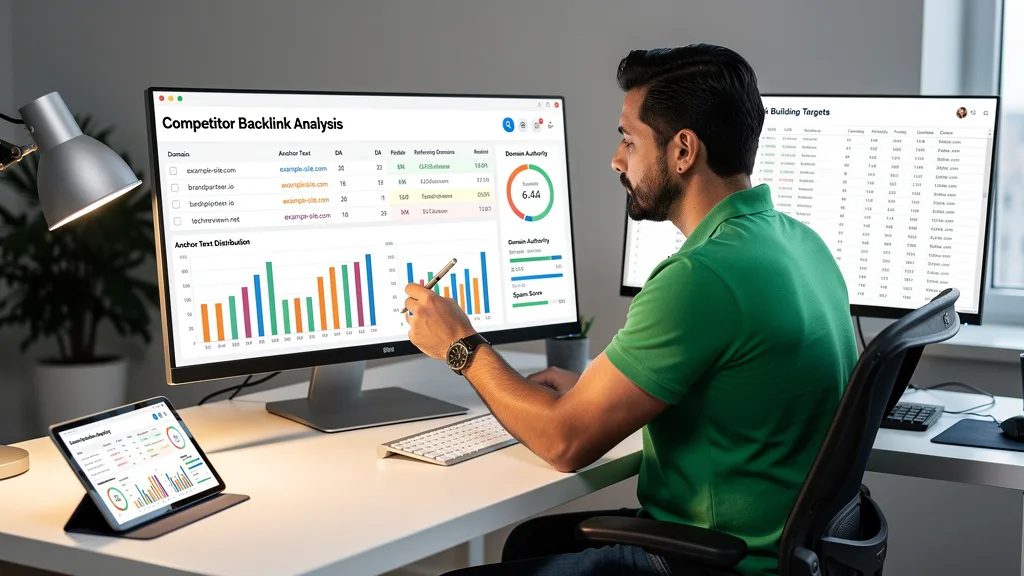

Launching a new ecommerce store is an exciting venture, but how do you cut through the digital noise and attract your first customers? While stunning product photos and a seamless checkout process are essential, they won’t generate traffic on their own. The key to unlocking sustainable, organic growth lies in a robust search engine optimization (SEO) strategy, with backlinks forming its very foundation.
Building high-quality backlinks for a new ecommerce store in 2026 involves creating valuable content, conducting strategic outreach to relevant websites, and leveraging relationships with suppliers and influencers. This process signals to search engines like Google that your site is a credible and authoritative source, which is crucial for ranking higher in search results and driving qualified traffic to your product pages. It’s about earning trust, not just links.
Why Backlinks Are Crucial for New Ecommerce Stores in 2026
Backlinks, or links from other websites to yours, function as votes of confidence in the eyes of search engines. For a new ecommerce store with no established history, these endorsements are vital for building domain authority. When reputable sites link to your product or category pages, they pass along some of their authority, helping your new store gain credibility and visibility in a crowded marketplace. This initial trust is the first step toward ranking for competitive keywords.

Beyond the SEO benefits, a strong backlink profile drives valuable referral traffic. A link from a popular industry blog, a product roundup, or an influencer’s review can send highly motivated shoppers directly to your store. This traffic often has a higher conversion rate than other channels because the visitor is arriving based on a warm recommendation. Essentially, ecommerce link building not only improves your search rankings but also opens up new, targeted revenue streams from day one.
What Google Considers a High-Quality Backlink
In 2026, Google’s algorithms are more sophisticated than ever, prioritizing quality over quantity. A high-quality backlink comes from a website that is topically relevant to your ecommerce niche. For example, a link from a popular fashion blog to your online clothing boutique is far more valuable than a link from an unrelated construction website. Context is king; the link should appear naturally within the content and make sense for the reader.
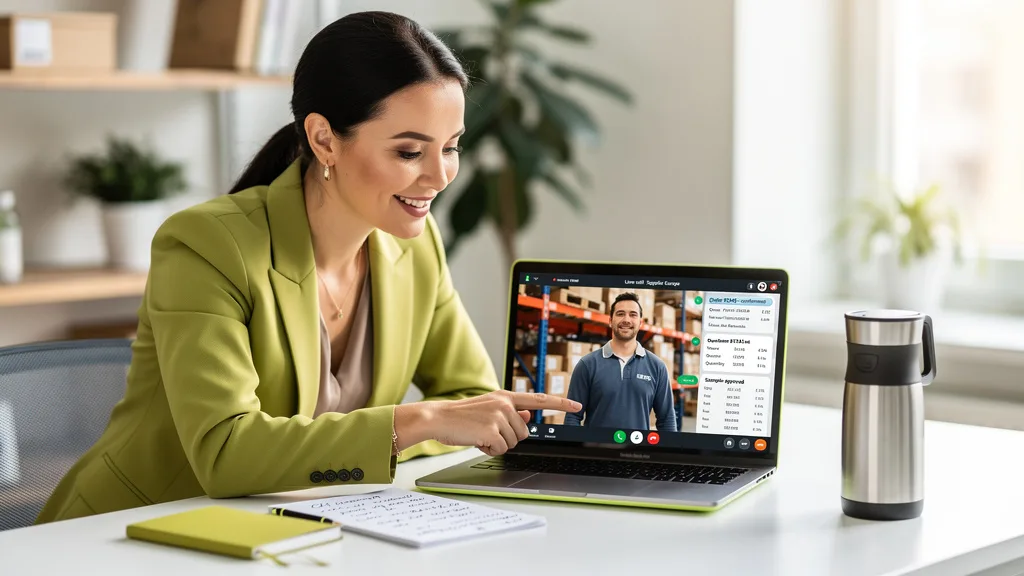
The authority of the linking domain is another critical factor. Links from established websites with high Domain Authority (DA) carry significantly more weight than those from new or low-authority sites. Furthermore, Google looks for a natural link profile, meaning your backlinks should come from a diverse range of sources, use varied anchor text, and be acquired gradually over time. Avoid any service that promises hundreds of links overnight, as this is a major red flag for search engines.
“The best links are the ones you don’t ask for, but they are also the hardest to get. For a new store, the next best thing is a link that is editorially given by a real person on a real, relevant website. That’s the signal Google rewards.”
Common Link Building Tactics to Avoid
Many new store owners, eager for quick results, fall into the trap of using outdated and harmful link building tactics. These methods can not only waste your budget but also lead to severe Google penalties that can de-index your site entirely. It is crucial to avoid automated comment spam, where bots post generic comments with a link to your store on thousands of unrelated blogs. This provides zero value and is easily identified as spam.
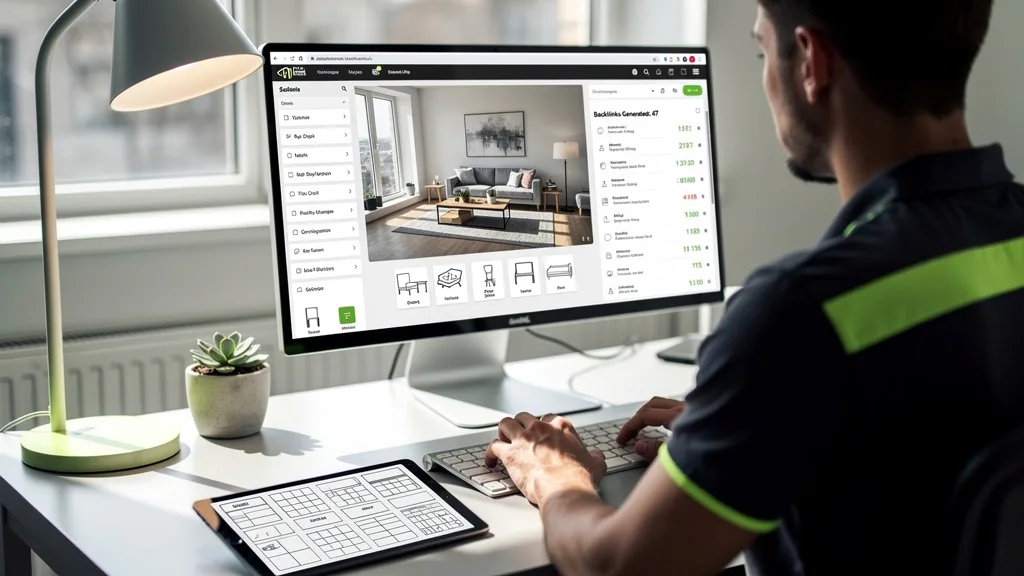
Similarly, steer clear of low-quality directory submissions and public link farms. While directories were once a viable tactic, most are now considered spammy and offer no real SEO benefit. Building a successful seo strategy requires focusing on tactics that build genuine authority. Investing in carefully vetted, high-authority links is a far more effective and safer approach to boosting your store’s rankings. When considering any link provider, it’s vital to know what questions to ask before you buy.
| Good Tactic (White Hat) | Bad Tactic (Black Hat) |
|---|---|
| Earning links through high-quality, original content | Automated blog comment spam |
| Guest posting on relevant, high-authority blogs | Purchasing links from public link farms |
| Digital PR and outreach for product features | Participating in irrelevant link exchange schemes |
| Broken link building in your niche | Submitting to thousands of low-quality directories |
| Building safe, private blog networks (PBNs) | Using hidden links or keyword stuffing |
7 Actionable Link Building Strategies for New Stores
Knowing where to start can be the biggest challenge for a new online store. The following seven strategies are proven, effective, and safe ways to begin building the foundational links your business needs to grow. These methods focus on creating value and building genuine relationships, which are the cornerstones of a sustainable SEO plan.
Leverage Digital PR and Product Roundups
Digital Public Relations involves reaching out to journalists, bloggers, and publications in your niche with a compelling story or product. One of the most effective angles for ecommerce is getting your products featured in gift guides, “best of” lists, and product roundups. Start by identifying relevant articles that already exist and reaching out to the author to see if they might consider adding your product.

For seasonal opportunities like holidays or Black Friday, prepare your outreach campaign weeks in advance. Create a concise pitch that highlights your product’s unique value proposition and makes it easy for the journalist to include you. Offering a product sample can often increase your chances of getting featured, securing a high-quality backlink and valuable brand exposure simultaneously.
Secure Links From Suppliers and Manufacturers
This is one of the lowest-hanging fruits in ecommerce link building. Your suppliers, manufacturers, and other business partners often have a “Stockists” or “Where to Buy” page on their websites. If you are an official retailer of their products, simply send a friendly email asking them to add a link to your store on that page.
These links are highly valuable because they come from topically relevant and often authoritative websites. It reinforces your store’s legitimacy and can also drive direct referral traffic from customers looking to purchase their products. Make this a standard part of your onboarding process for every new supplier relationship you establish.
Reclaim Unlinked Brand Mentions
As your brand starts to grow, people will begin mentioning your store or products online without linking back to you. These unlinked mentions are missed opportunities. You can use tools like Google Alerts or Ahrefs to monitor the web for mentions of your brand name. When you find an article, blog post, or forum discussion that mentions you without a link, reach out to the site owner or author.
Politely thank them for mentioning your brand and ask if they would consider adding a link to your homepage or the relevant product page. Since they are already talking about you, they are often happy to oblige. This is a simple and effective way to earn high-quality, contextual links that you’ve already halfway earned.
Use Broken Link Building in Your Niche
Broken link building is a classic SEO tactic that remains highly effective. The process involves finding a broken link (one that leads to a 404 error page) on a website in your niche. You then create a piece of content that is a suitable replacement for the dead link. Finally, you contact the website owner, inform them of the broken link, and suggest your content as a replacement.
For an ecommerce store, this could mean finding a dead link to a competitor’s product that is no longer sold and suggesting your similar product page as the replacement. You can use browser extensions like Check My Links to quickly scan pages for broken links. This strategy provides genuine value to the website owner by helping them fix their site, making them more likely to add your link. There are many Unique eCommerce Link Building Tactics you can explore to stand out.
Create Link-Worthy Content and Digital Tools
While direct product pages can be hard to build links to, creating valuable content assets can attract links naturally. Consider writing comprehensive buying guides, detailed how-to articles, or in-depth comparisons related to your products. For example, a store selling coffee beans could create “The Ultimate Guide to Cold Brew Methods,” which would attract links from coffee enthusiasts and lifestyle blogs.
Another powerful strategy is to create free digital tools. A simple calculator, a quiz, or a generator can become a massive link magnet. For instance, a store selling home decor could create a “Room Layout Planner” tool. These assets provide immense value to users, making them highly shareable and linkable, and the links they attract can boost the authority of your entire domain.
Guest Post on Relevant Industry Blogs
Guest posting involves writing an article for another website in your niche in exchange for a byline that includes a link back to your store. The key to success here is to focus on quality, not quantity. Identify authoritative blogs that your target audience reads and pitch them well-researched, genuinely useful article ideas.
Do not use guest posting as a way to drop links to your product pages. Instead, link to your homepage or a relevant, high-value blog post on your site from your author bio. The goal is to provide value to the host blog’s audience and establish your brand as an expert in the field. A single guest post on a top-tier industry blog is worth more than dozens of posts on low-quality sites.
Build Relationships With Affiliates and Influencers
Developing an affiliate marketing program can be a fantastic way to generate both sales and backlinks. When affiliates review or promote your products, they will naturally link back to your store. These links are powerful because they come with a strong recommendation and are placed on content designed to drive conversions.
Similarly, building relationships with influencers in your niche can lead to organic links. Instead of just paying for a one-off sponsored post, aim to build long-term partnerships. Provide them with exclusive information, early access to new products, or co-create content. When an influencer genuinely loves your brand, they are more likely to link to you organically in their future content.
How to Amplify Content to Naturally Attract Links
Creating great content or a useful tool is only half the battle. If no one sees it, no one can link to it. Content amplification is the process of proactively sharing your content to get it in front of the right audience. Start by sharing your new guides, tools, or blog posts across all your social media channels. Use relevant hashtags and tag any influencers or brands you mentioned in the content.
Strategic email outreach is another critical component. Build a list of bloggers, journalists, and industry leaders who have previously linked to similar content. Send them a personalized email explaining why your new content would be valuable to their audience. Don’t directly ask for a link in the first email; instead, focus on building a relationship and simply making them aware of your resource. If the content is truly valuable, the links will often follow.
Measuring the Success of Your Ecommerce Link Building Efforts
To ensure your link building strategy is delivering a positive return on investment, you need to track the right metrics. The most direct measure of success is an increase in the number of unique referring domains pointing to your site. You can monitor this using tools like Ahrefs, SEMrush, or Moz. Look for steady, consistent growth rather than sudden spikes. buy pbn links.
Ultimately, the goal of SEO is to drive more organic traffic and sales. Keep a close eye on your Google Analytics data. Are you seeing an increase in organic search traffic? Are your target product and category pages starting to rank higher for their main keywords? By correlating your link building activities with these key performance indicators, you can effectively measure the impact of your efforts and refine your strategy over time.
Key Takeaways
- Backlinks are essential for new ecommerce stores in 2026 to build authority, trust, and drive referral traffic.
- Google values high-quality backlinks from relevant, authoritative websites over a large quantity of low-quality links.
- Avoid black-hat tactics like comment spam and link farms, as they can lead to severe penalties.
- Actionable strategies include digital PR, reclaiming unlinked mentions, broken link building, and creating link-worthy content.
- Securing links from suppliers and building relationships with affiliates and influencers are powerful methods for ecommerce sites.
- Always amplify your content to ensure it gets seen by people who can link to it.
- Measure success by tracking referring domains, organic traffic growth, and keyword ranking improvements.
Frequently Asked Questions
Is ecommerce still a viable business model in 2026?
Yes, ecommerce is absolutely a viable and growing business model in 2026. However, the market is more competitive than ever. Success is no longer just about having a good product; it requires a sophisticated digital marketing strategy, particularly in SEO.
New stores must differentiate themselves through branding, customer experience, and a strong online presence. A well-executed link building campaign is a critical component of this, helping new brands gain visibility and compete with more established players in search results.
How long does it take for new backlinks to impact SEO?
The time it takes for new backlinks to impact SEO can vary widely, from a few weeks to several months. Google needs time to crawl the linking page, discover your link, and re-evaluate your site’s authority. The quality and authority of the backlink play a significant role; a single link from a major industry publication can have a noticeable impact much faster than dozens of low-quality links.
Generally, you should expect to see gradual improvements in your rankings over a period of 3 to 6 months of consistent link building efforts. Patience and a long-term perspective are key. For faster results, many businesses buy authority backlinks from trusted sources to accelerate the process.
Is it safe to buy backlinks for an ecommerce store?
Buying backlinks can be risky if done improperly. Google’s guidelines prohibit buying links that are intended to manipulate search rankings. However, the key distinction lies in the quality and execution. Purchasing low-quality, spammy links from public networks is extremely dangerous and likely to result in a penalty.
On the other hand, investing in a high-quality service that provides links from a private, well-maintained network of authoritative sites can be a safe and effective strategy. These services focus on providing genuine value with relevant content and zero footprints, mimicking a natural link profile. It’s crucial to understand whether PBN links are safe by vetting your provider carefully.
How many backlinks does a new online store need to start?
There is no magic number of backlinks a new store needs. The focus should always be on quality over quantity. A handful of powerful, relevant backlinks from high-authority domains will have a much greater impact than hundreds of links from low-quality, spammy sites.
A good starting point is to analyze your direct competitors. Use SEO tools to see how many referring domains they have and what their backlink profiles look like. This will give you a benchmark, but your initial goal should be to acquire 5-10 high-quality, relevant links to build a solid foundation.
What is the difference between internal links and backlinks?
Internal links are hyperlinks that connect one page on your website to another page on the same website. For example, linking from a blog post to one of your product pages is an internal link. They are crucial for site navigation, user experience, and distributing link equity (or “link juice”) throughout your site.
Backlinks, also known as external or inbound links, are hyperlinks from a page on a different website that point to a page on your website. These are the links that act as votes of confidence and are a primary factor in how search engines determine your site’s authority and ranking.
Conclusion
Building a strong backlink profile is a non-negotiable part of a successful SEO strategy for any new ecommerce store in 2026. By focusing on high-quality, relevant links and avoiding dangerous shortcuts, you can build a sustainable foundation for long-term organic growth. The key is to combine technical outreach with valuable content creation and relationship building to earn the trust of both users and search engines. Your next step is to choose one or two of these strategies and begin implementing them consistently.
Tired of the slow, manual process of link building? If you’re an SEO professional, agency, or business owner in a competitive niche, you need results that move the needle fast. Our premium PBN backlinks are built on high-authority, aged domains to deliver safe and rapid ranking improvements. Let us handle the complexity of building powerful links so you can focus on growing your business. Get Started