Are you struggling to gain visibility in a saturated ecommerce market where competitors dominate the search results? A standard approach to link building is no longer enough to move the needle. To outrank established players, you need a sophisticated, multi-layered plan that builds authority and drives targeted traffic directly to your product and category pages.
An advanced ecommerce link building strategy involves moving beyond basic tactics to build a powerful and diverse backlink profile that search engines reward. This means combining data-driven digital PR, strategic outreach, competitor analysis, and the acquisition of high-authority links to create a defensible moat around your online store’s search rankings. For highly competitive niches, this often includes leveraging powerful assets like private blog networks to secure placements that competitors cannot easily replicate.
What Is an Advanced Ecommerce Link Building Strategy?
An advanced link building strategy for competitive ecommerce is a comprehensive approach designed to acquire high-quality, relevant backlinks at scale to boost search engine rankings and organic traffic. Unlike basic methods that focus solely on directory submissions or low-quality guest posts, an advanced strategy integrates multiple tactics. These include digital PR, data-driven content creation, unlinked brand mention reclamation, and building relationships with key industry influencers.
The core principle is to build a backlink profile that looks natural, is difficult for competitors to replicate, and directly supports your business goals, such as increasing sales for specific product categories. It requires a deep understanding of your niche, meticulous competitor analysis, and a focus on acquiring links that pass significant authority and relevance. In hyper-competitive markets like iGaming or finance, this means securing powerful links from aged, high-DA domains that can deliver immediate ranking impact.
How to Perform a Backlink Gap Analysis Against Competitors
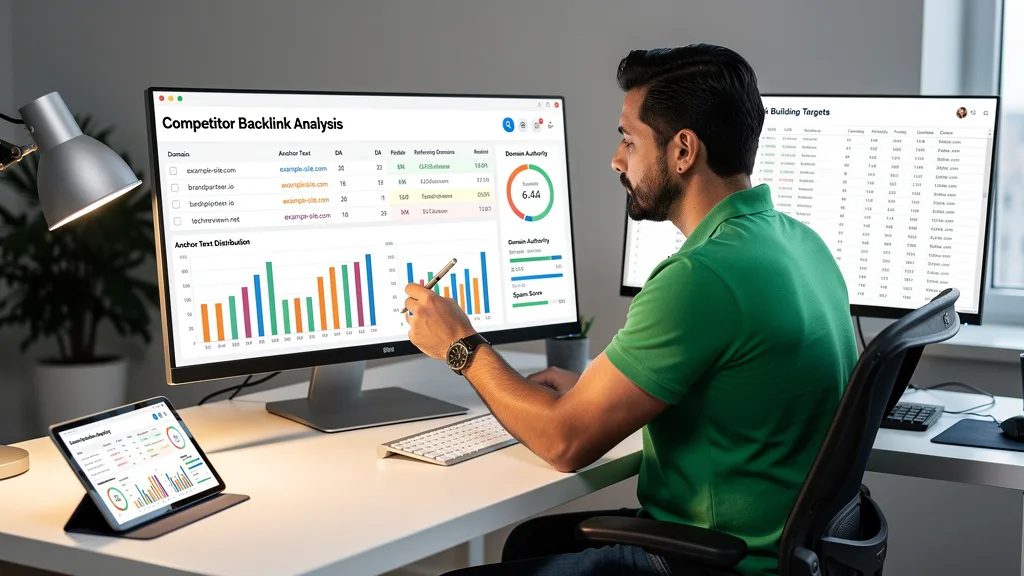
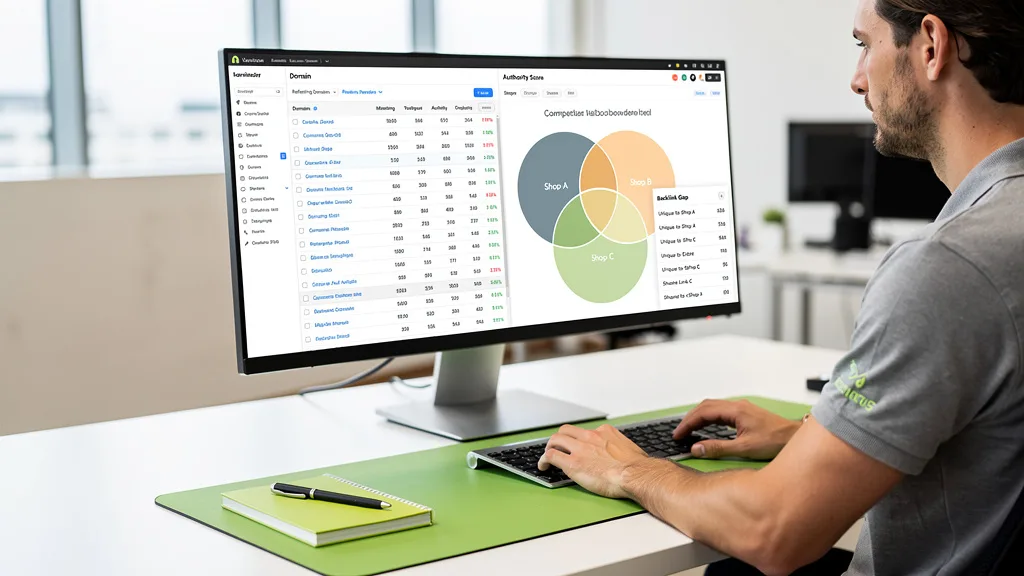
A backlink gap analysis is the process of identifying websites that link to your competitors but not to you. This process provides a direct roadmap for your outreach efforts, showing you proven link opportunities that are already working for others in your niche. By targeting these domains, you can level the playing field and begin to close the authority gap between your store and the market leaders.
To begin, use a tool like Ahrefs, SEMrush, or Moz to export the backlink profiles of your top three to five competitors. Compare these lists against your own backlink profile to find the domains linking to multiple competitors but not to you. Analyze the types of links they have secured: are they from product reviews, resource pages, or news articles? This insight allows you to tailor your outreach strategy to acquire similar, high-value links for your own ecommerce site.
Scalable Link Building Tactics for Online Stores
To compete effectively, your link building efforts must be scalable. Relying on a single tactic is risky and limits your growth potential. Instead, a successful strategy combines several methods that can be systemized and expanded over time to consistently build your site’s authority.
Unlinked Brand Mention Reclamation
Unlinked brand mention reclamation is one of the quickest ways to secure high-quality backlinks. This tactic involves finding online mentions of your brand, products, or key personnel that do not include a link back to your site. Once you find a mention, you simply reach out to the author or webmaster and politely request that they add a link to the existing text. It’s a warm outreach process with a high success rate because the publisher is already familiar with your brand.
You can use tools like Google Alerts, BuzzSumo, or Ahrefs’ Content Explorer to monitor the web for mentions of your brand name. Set up alerts for your company name, product names, and even the names of your executives. When you receive an alert for an unlinked mention, verify the site’s quality and then send a personalized email to request the link. This simple process can yield powerful contextual links with minimal effort.
Data-Driven Content for Digital PR
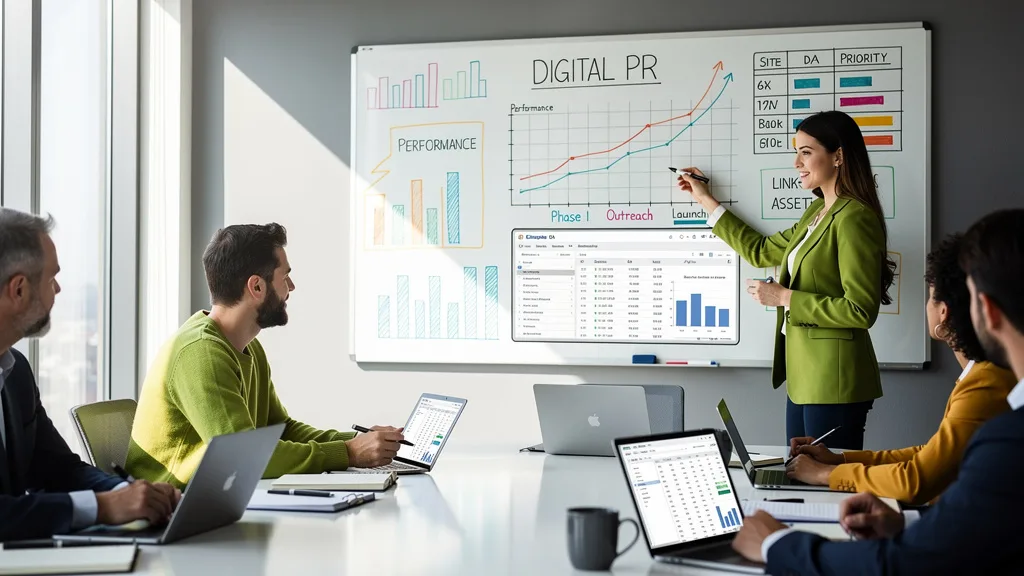
Creating linkable assets is a cornerstone of modern digital PR. For ecommerce sites, this means producing data-driven content that journalists, bloggers, and industry publications want to cite and link to. This could be an industry report based on your internal sales data, a survey of your customers, or a unique study about consumer trends in your niche. The key is to create something original and newsworthy that provides genuine value to a wider audience.
Once your content is published, the next step is targeted outreach. Identify journalists and publications that cover your industry and present your content as a valuable resource for their next story. This approach positions your brand as an authority and generates high-quality, editorial links from reputable news sites and blogs that are nearly impossible to acquire through other means. These links carry immense weight with search engines and can significantly boost your domain authority.
Strategic Resource and Product Page Link Building
While homepage links are valuable, links pointing directly to your category and product pages are essential for driving commercial success. These deep links signal to Google the importance of these specific pages, helping them rank for transactional keywords. However, building links to commercial pages is notoriously difficult, as most webmasters are hesitant to link directly to a page that sells something.
One effective method is to create valuable non-commercial content on or around your product pages, such as detailed buying guides, how-to articles, or comparison charts. You can then promote these resources to acquire links. For more immediate impact in competitive spaces, many SEOs buy high quality backlinks from private blog networks. A well-managed PBN can provide powerful, contextually relevant links that point directly to your money pages, delivering ranking improvements much faster than traditional outreach.
Building Relationships with Niche Influencers and Affiliates
Influencers and affiliate marketers can be powerful allies in your link building efforts. Collaborating with respected voices in your niche not only exposes your brand to a new audience but also generates valuable backlinks. Building genuine relationships is key; instead of a one-off transaction, focus on creating long-term partnerships that provide mutual value.
Start by identifying influencers and affiliate bloggers whose audience aligns with your target customers. Engage with their content and offer them free products for review, co-host a giveaway, or propose a collaborative content project. Affiliate links themselves can provide some SEO value, but the real benefit comes from the contextual links you gain from review articles, gift guides, and other content they create around your products.
Guest Posting vs. Digital PR for Ecommerce Link Building
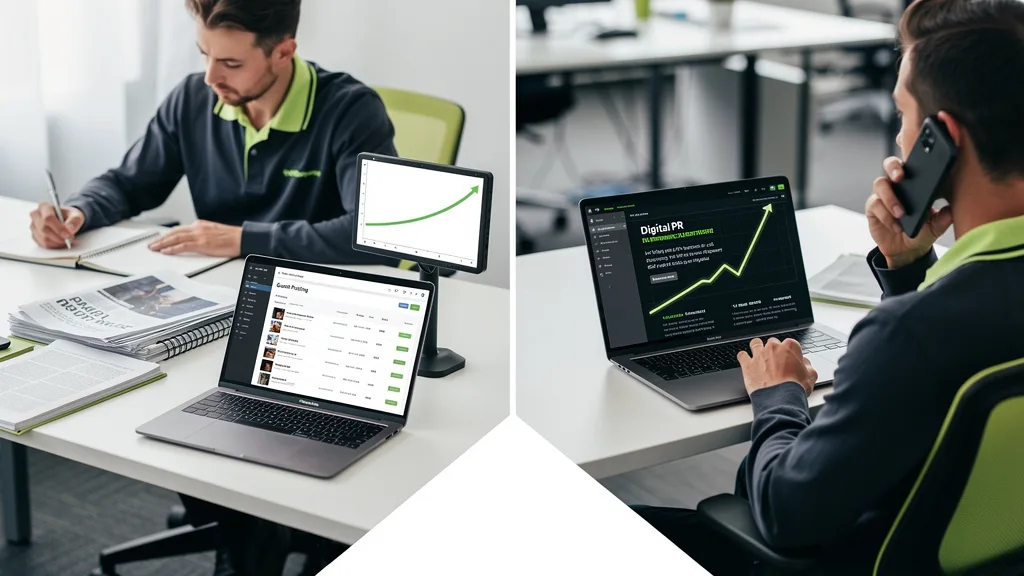
Both guest posting and digital PR are popular link building tactics, but they serve different purposes and yield different results for ecommerce businesses. Guest posting involves writing an article for another website in your niche in exchange for a backlink. Digital PR focuses on creating newsworthy stories and assets to earn editorial links from journalists and high-authority publications. Understanding their differences is crucial for allocating your resources effectively.
Guest posting is excellent for building topical relevance and acquiring links from niche-specific blogs. Digital PR, on the other hand, is designed to build brand authority and earn powerful links from top-tier news outlets. For a comprehensive strategy, a mix of both is often ideal. You can learn more by comparing it to other methods in our guide on niche edits vs guest posts vs PBNs.
| Feature | Guest Posting | Digital PR |
|---|---|---|
| Primary Goal | Build topical relevance and acquire niche-specific links. | Build brand authority and earn high-DA editorial links. |
| Target Sites | Industry blogs, niche websites. | News outlets, major publications, top-tier blogs. |
| Link Type | Author bio or contextual link within an article. | Editorial, contextual link within a news story or feature. |
| Scalability | Moderately scalable with a dedicated team. | Highly scalable with a newsworthy campaign. |
| Cost | Can be low-cost (time-based) or paid placements. | Higher investment in content creation and outreach. |
| Typical DA | 20-60 | 50-90+ |
How to Build High-Authority Links for a New Ecommerce Store
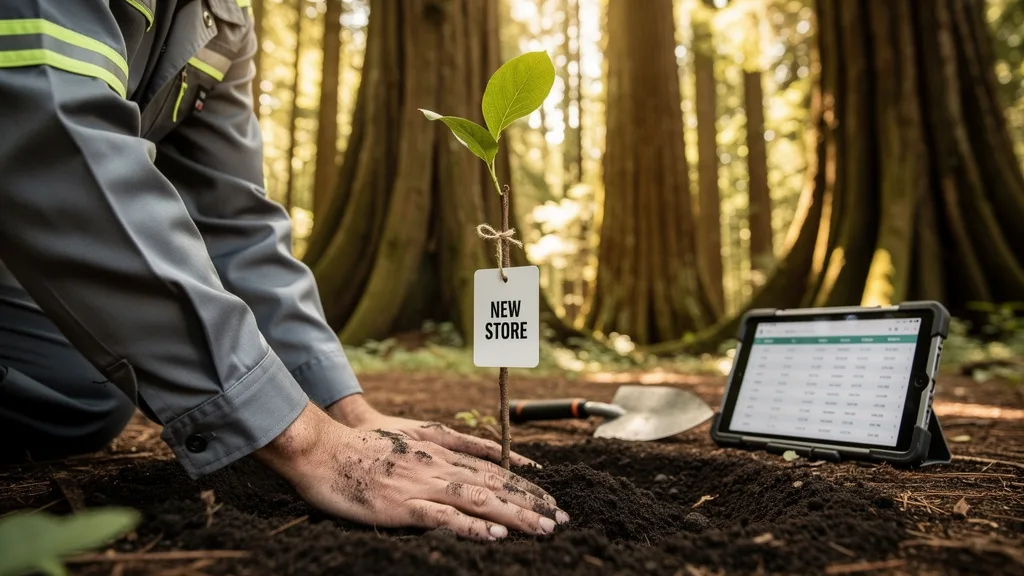
Building authority for a brand-new ecommerce store is a significant challenge, as you are starting from scratch with no existing trust or backlink profile. The initial phase should focus on creating a solid foundation. This includes setting up social media profiles, creating local business citations (if applicable), and submitting your store to reputable industry directories. These foundational links help legitimize your website in the eyes of search engines.
“For a new ecommerce site, the initial goal isn’t to get 1,000 links overnight. It’s to get your first 10 high-quality, relevant links that establish your topical authority and kickstart the trust-building process with Google.”
Once the foundation is in place, you need to accelerate your authority-building efforts. A powerful strategy is to leverage high-domain-authority PBN links. These links, from aged domains with established authority, can provide the initial push a new site needs to start ranking for competitive keywords. This tactic can significantly shorten the time it takes to gain traction in the search results, a concept we explore further in our guide on link building for a new website. Combining this with content-driven strategies creates a robust and effective long-term plan.
Effective Ecommerce Link Building Trends for 2026
As we move through 2026, the SEO landscape continues to evolve, and so do effective link building practices. The emphasis is now firmly on quality, relevance, and demonstrable expertise. Low-quality, spammy tactics are more likely than ever to result in penalties. One of the most significant trends is the use of AI to analyze competitor strategies and identify link opportunities at scale, but human oversight remains critical for outreach and relationship-building.
Another key trend is the increasing value of programmatic SEO to create link-worthy resource pages at scale, such as glossaries or directories. Furthermore, digital PR campaigns that tap into trending topics and news cycles are proving highly effective for earning top-tier links. Finally, savvy SEOs are recognizing the power of curated private networks that offer footprint-free, high-authority links, providing a reliable way to build authority in competitive niches without relying on unpredictable outreach success rates. The focus is on a diversified, quality-first approach.
The Best Link Building Tools for Ecommerce Sites in 2026
Using the right set of tools is essential for executing an advanced link building strategy efficiently. These platforms help with everything from competitor research and opportunity prospecting to outreach management and performance tracking. Investing in a solid toolkit can save hundreds of hours and provide the data needed to make informed decisions.
Here are some of the best link building tools for ecommerce sites in 2026:
- Ahrefs: The industry standard for backlink analysis, competitor research, and keyword tracking. Its Site Explorer and Content Gap features are invaluable for finding link opportunities.
- SEMrush: A comprehensive SEO suite with powerful tools for backlink gap analysis, brand mention monitoring, and outreach campaign management.
- Hunter.io: An essential tool for finding email addresses associated with a specific domain, making it easier to connect with the right person for your outreach campaigns.
- Pitchbox: A dedicated outreach and relationship management platform that helps you streamline and scale your email campaigns while avoiding duplicate contacts.
- Google Alerts: A free and simple way to monitor the web for mentions of your brand, competitors, and target keywords, perfect for unlinked brand mention reclamation.
- BuzzSumo: Excellent for content research, identifying trending topics, and finding key influencers in your niche to build relationships with.
Key Takeaways
Building a powerful backlink profile in a competitive ecommerce landscape requires a strategic, multi-faceted approach. To succeed in 2026, you must move beyond basic tactics and embrace a more sophisticated methodology. Here are the key points to remember:
- An advanced link building strategy integrates digital PR, content marketing, and strategic outreach to build a defensible backlink profile.
- Performing a backlink gap analysis against your competitors provides a clear roadmap for high-value link acquisition.
- Scalable tactics like unlinked brand mention reclamation and creating data-driven content are essential for consistent growth.
- Building links directly to product and category pages is crucial for driving commercial results and can be accelerated with high-authority PBN links.
- A combination of guest posting for relevance and digital PR for authority creates a well-rounded and powerful link profile.
- The right set of tools, including Ahrefs and Pitchbox, is critical for executing your strategy efficiently and at scale.
Frequently Asked Questions
How much does a typical ecommerce link building campaign cost?
The cost of an ecommerce link building campaign can vary dramatically, from a few hundred to tens of thousands of dollars per month. The price depends on the tactics used, the competitiveness of your niche, and the volume and quality of links being built. For example, content-driven digital PR campaigns often require a significant upfront investment, while purchasing high-quality PBN links may have a per-link cost but can deliver faster results.
Ultimately, the investment should be viewed in the context of your potential return on investment. In competitive niches like casino or CBD, a higher spend is necessary to gain traction. It’s crucial to work with a provider that offers transparent pricing and can demonstrate a clear correlation between their efforts and your ranking improvements.
Are link building services for ecommerce worth the investment?
Yes, for most competitive ecommerce businesses, professional link building services are worth the investment. Building high-quality links is a time-consuming and specialized skill. A reputable service brings expertise, established processes, and access to resources that an in-house team may not have. This allows you to acquire authoritative links more efficiently and safely.
The key is to choose the right partner. A good link building service will focus on quality over quantity, adhere to safe practices, and provide transparent reporting. The ROI from a successful campaign, measured in increased organic traffic and sales, almost always outweighs the cost, especially when compared to the ever-increasing costs of paid advertising.
What are some alternatives to paid link building for ecommerce websites?
While paid strategies often yield the fastest results, there are several effective alternatives. Creating exceptional, data-driven content that naturally attracts links is a powerful long-term strategy. This includes industry studies, comprehensive guides, and free tools. Building a strong community around your brand on social media can also lead to organic mentions and links.
Other alternatives include internal linking optimization, which helps spread authority throughout your site, and fostering relationships with influencers who may link to you organically. However, these methods require significant time and effort to generate results and may not be sufficient to compete in highly aggressive markets without being supplemented by proactive outreach or link acquisition.
What are the top link building agencies for competitive online retail?
Identifying the single “top” agency is difficult as the best fit depends on your niche, budget, and specific goals. However, top-tier agencies for competitive retail often specialize in either creative digital PR or technical, high-authority link acquisition. Agencies like Siege Media are known for their content-driven approach, while providers focused on PBNs excel at delivering raw power for difficult keywords.
When evaluating agencies, look for case studies in competitive niches similar to yours. Ask about their tactics for avoiding footprints and ensuring link quality. For those operating in high-stakes industries like iGaming, finance, or crypto, a specialized provider with a proven track record of delivering results with powerful, private assets is often the most effective choice.
Conclusion
In the fiercely competitive world of ecommerce, a generic link building plan is a recipe for stagnation. An advanced link building strategy for competitive ecommerce is not just an option, it’s a necessity for survival and growth. By combining competitor analysis, scalable tactics like digital PR, and the strategic acquisition of high-authority links, you can build a formidable online presence that drives sustainable organic traffic and revenue. The key is to be deliberate, data-driven, and relentless in your pursuit of quality backlinks that move the needle.
Ready to build the authority your ecommerce store needs to dominate the search results? Our high-DA PBN backlinks are hand-built on aged domains to deliver fast, safe, and lasting ranking improvements in the most competitive niches. Stop waiting for results and start building real authority today. Get Started and see the difference powerful links can make.