Buying PBN domains is the foundational skill of anyone building or expanding a private blog network from scratch. Unlike buying ready-made PBN links from a service, sourcing your own domains means you control the quality, the hosting setup, the content strategy, and the long-term maintenance of every site in your network. This guide covers the complete process: where to find expired and expiring domains with genuine authority histories, which metrics to evaluate and which to ignore, which auction and broker platforms consistently surface the best inventory, a step-by-step domain vetting checklist, and what prices to expect at entry, mid, and premium quality tiers in 2026.
Table of Contents
- Where to Find Expired and Expiring PBN Domains
- Metrics That Matter: TF, CF, DR, Spam Score, and Backlink History
- Which Registrar and Auction Platforms to Use
- The PBN Domain Vetting Checklist
- What to Pay at Different Quality Tiers
- Common Mistakes When Buying PBN Domains
- FAQ
Key Takeaways
- The best PBN domains come from GoDaddy Auctions, Spamzilla, and specialist brokers like SEO.Domains — not random expired domain lists.
- Trust Flow (TF) and Citation Flow (CF) from Majestic are the most reliable authority metrics for domain evaluation; DR alone is insufficient.
- The Wayback Machine check is non-negotiable — a domain with casino, pharma, or adult history is disqualified regardless of metrics.
- Quality domains suited for a real PBN cost £80–£250+ at auction; anything significantly cheaper requires extra scrutiny.
- Diversifying registrars, nameservers, and hosting IP ranges across your network is a structural requirement, not an optional extra.
Where to Find Expired and Expiring PBN Domains

GoDaddy Auctions
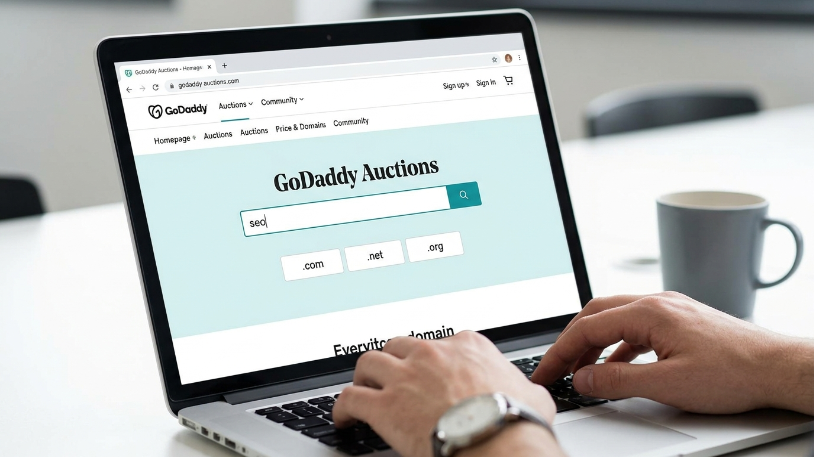
GoDaddy Auctions is the single largest marketplace for expired and expiring domains. When a domain is not renewed by its original registrant, it enters an auction cycle where any registered bidder can acquire it. The volume of inventory is enormous — thousands of domains enter the auction pool daily. Use the advanced search to set minimum DR, filter by TLD, and set a closing time window. Then pull results into Ahrefs in bulk to screen for traffic and referring domain quality before bidding.
How to filter efficiently: Use GoDaddy Auctions’ advanced search to set minimum DR, filter by TLD, and set a closing time window. Then pull the results into Ahrefs in bulk to screen for traffic and referring domain quality before bidding.
Spamzilla
Spamzilla is a purpose-built tool for finding high-quality expired domains. It aggregates data from multiple expiry lists, applies pre-filtering for spam signals, and allows you to search by Majestic TF and CF, Ahrefs DR, niche category, and language. For PBN domain sourcing specifically, Spamzilla is one of the most efficient starting points because the spam pre-filtering removes a large proportion of worthless inventory before you begin your own checks.
SEO.Domains and Specialist Brokers
Specialist domain brokers like SEO.Domains curate pre-vetted inventory — domains that have already been screened for authority, spam history, and topical relevance. You pay a premium over auction prices for this curation, but the premium buys you time and confidence. For practitioners who want to scale network expansion without spending hours per domain on manual vetting, broker inventory is a legitimate and often cost-effective choice.
Dropcatch, NameJet, SeekaHost
Dropcatch and NameJet specialise in backorder and auction services for catching domains at the point of expiry. They are most useful when you have identified a specific domain and want to intercept it before a public auction. The SeekaHost and similar niche marketplaces offer listed domains with pre-attached metrics and sometimes content already installed.
SeekaHost and Niche Domain Marketplaces
SeekaHost and similar niche marketplaces offer listed domains with pre-attached metrics and sometimes content already installed. They combine elements of a broker (pre-screened) and a marketplace (browsable inventory). Good for finding PBN-ready domains without the sourcing overhead of auction platforms.
Metrics That Matter: TF, CF, DR, Spam Score, and Backlink History
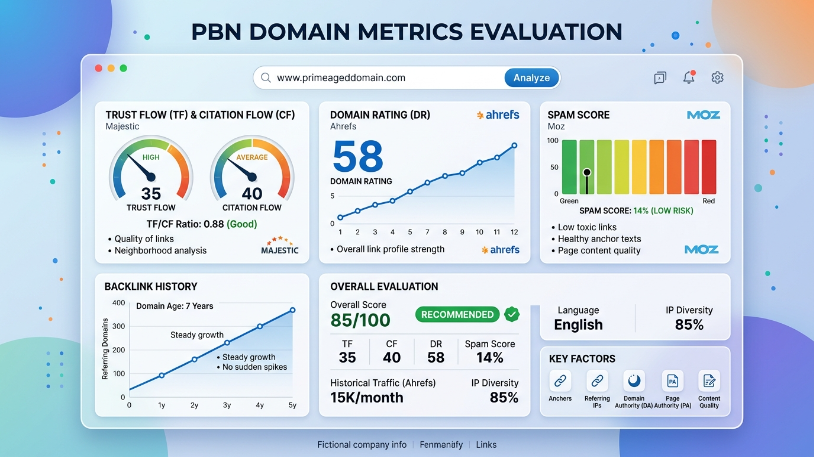
Trust Flow (TF) — Majestic
Trust Flow measures how closely a domain backlink profile is connected to trusted seed sites. TF is harder to game than DR because it is based on topological distance from real trusted sites rather than link count. Target TF15+ for entry-level domains, TF25+ for mid-tier, TF35+ for premium.
Citation Flow (CF) and TF:CF Ratio
Citation Flow measures the volume of links pointing to a domain. The most useful signal is the TF:CF ratio. A domain with TF20 and CF25 (ratio 0.8) has a well-balanced profile. A domain with TF10 and CF40 (ratio 0.25) has high link volume but very low quality — a typical spam signal. Target a TF:CF ratio above 0.4 as a minimum.
Domain Rating (DR) — Ahrefs
DR is the most widely quoted metric in the PBN market and the most frequently abused. As covered in other articles in this series, DR can be inflated through reciprocal link exchanges between PBN domains. It is a useful supplementary check but should never be the primary evaluation criterion.
Use DR to establish a floor (DR15+ minimum for any domain you consider) and then rely on TF, organic traffic, and referring domain quality for the real assessment.
Organic Traffic — Ahrefs / Semrush
A domain with verifiable organic search traffic is a domain that Google is actively crawling and trusting enough to rank for real queries. Even 30–100 monthly organic visits from a PBN domain is a meaningful signal — it means the domain has not been deindexed and its content is being evaluated by Google’s quality systems.
Organic traffic is the most trustworthy proxy for Google’s trust that you have access to before buying a domain. Prioritise it heavily. For a deeper dive on acquiring domains with genuine traffic, read our guide to buy PBN domains with traffic. A TF20, DR25 domain with 80 monthly organic visits is a significantly better PBN domain than a TF20, DR35 domain with zero traffic.
Spam Score — Moz
Moz’s Spam Score estimates the likelihood that a domain has characteristics commonly associated with penalised or low-quality sites. A score above 30% warrants investigation. Above 60% is an automatic disqualification.
Spam Score should be checked alongside — not instead of — Majestic and Wayback Machine history. A low Spam Score on a domain with spammy referring domains simply means Moz has not fully processed the spam signals yet.
Backlink History and Referring Domain Quality
Open the domain in Ahrefs and run three checks in sequence:
- Total referring domains — Apply the spam filter. Count genuine referring domains only.
- Anchor text distribution — Look for organic, varied anchors. A profile dominated by exact-match money keywords (especially in foreign languages) is a red flag for previous spam usage.
- Link velocity — Check the historical referring domain trend. A domain that had 200 RDs two years ago and now shows 60 has lost links at a rate that suggests either spam cleanup or domain degradation.
The Metrics Decision Table
| Metric | Tool | Minimum Threshold | Why |
|---|---|---|---|
| Trust Flow | Majestic | TF15+ | Most reliable quality signal |
| TF:CF Ratio | Majestic | 0.4+ | Detects spam link volume |
| Domain Rating | Ahrefs | DR15+ | Supplementary floor check only |
| Organic Traffic | Ahrefs or Semrush | Any genuine traffic | Confirms Google trust |
| Spam Score | Moz | Below 30% | Flags penalty risk |
| Real referring domains | Ahrefs (filtered) | 10+ genuine RDs | Confirms link diversity |
Which Registrar and Auction Platforms to Use
| Platform | Type | Best For | Price Range |
|---|---|---|---|
| GoDaddy Auctions | Public auction | Volume sourcing | £15–£500+ |
| Spamzilla | Aggregator and filter | Pre-screened list building | Subscription + domain cost |
| SEO.Domains | Broker | Pre-vetted niche-ready domains | £80–£500+ |
| Dropcatch | Backorder | Specific targeted domains | £15–£300+ |
| NameJet | Backorder and auction | .com and .net focus | £50–£1,000+ |
| SeekaHost | Marketplace | PBN-ready with basic metrics | £25–£200+ |
After purchasing a domain, distribute registrations across multiple registrars including Namecheap, Cloudflare Registrar, Name.com, and Porkbun. Mix nameservers and hosting providers to ensure genuine IP diversity across your network. If building a network from scratch feels complex, our PBN setup service guide covers when to DIY vs. outsource the build.
The PBN Domain Vetting Checklist
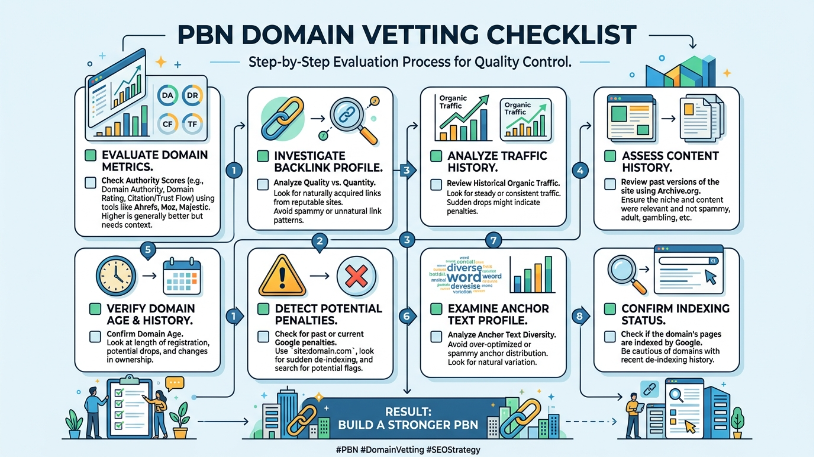
Apply this checklist to every domain you consider before purchasing, without exception.
- Check 1 — Wayback Machine: Confirm real topically coherent content history. Disqualify any domain with casino, pharma, adult, or payday loan history.
- Check 2 — Trust Flow and TF:CF Ratio: Open Majestic Site Explorer. TF minimum 15, TF:CF ratio minimum 0.4. Note Topical Trust Flow categories.
- Check 3 — Referring Domain Quality: Open Ahrefs with spam filter applied. Minimum 10 real referring domains. Check anchor text distribution for natural variety.
- Check 4 — Organic Traffic: Check traffic trend over 24 months. Some genuine traffic must exist. No traffic drop to zero in past 6 months.
- Check 5 — Google Index Check: Search site:domain.com in Google. Zero results means deindexed — disqualify immediately.
- Check 6 — Anchor Text Profile: Flag large volumes of exact-match money keyword anchors, foreign language anchors, or casino or pharma anchor text.
- Check 7 — Spam Score: Below 30% acceptable, 30 to 60% investigate carefully, above 60% disqualify.
- Check 8 — Domain Age and Ownership History: 3+ years preferred. Check for multiple ownership transfers via WHOIS.
- Check 9 — Topical Relevance Match: Confirm the domain historical niche aligns with your target niche.
- Check 10 — Registrar and IP Footprint: Confirm the domain will use a different registrar, hosting provider, and nameservers from existing PBN sites.
What to Pay at Different Quality Tiers
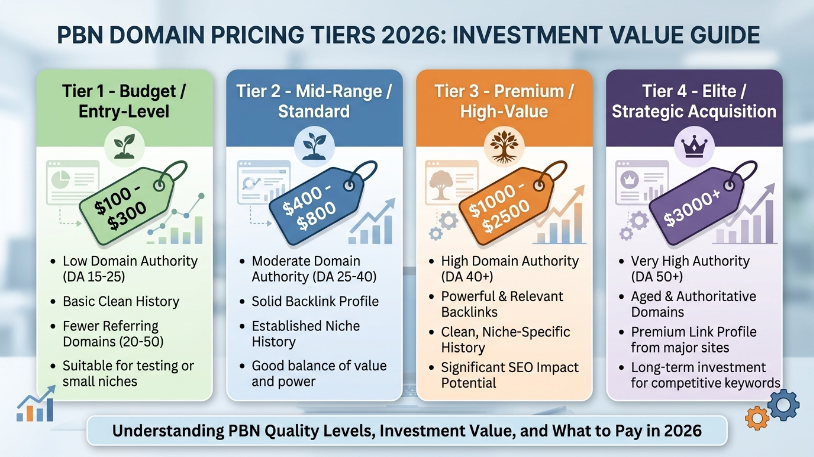
Understanding what fair pricing looks like prevents both overpaying and accepting underpriced domains that fail the vetting checklist.
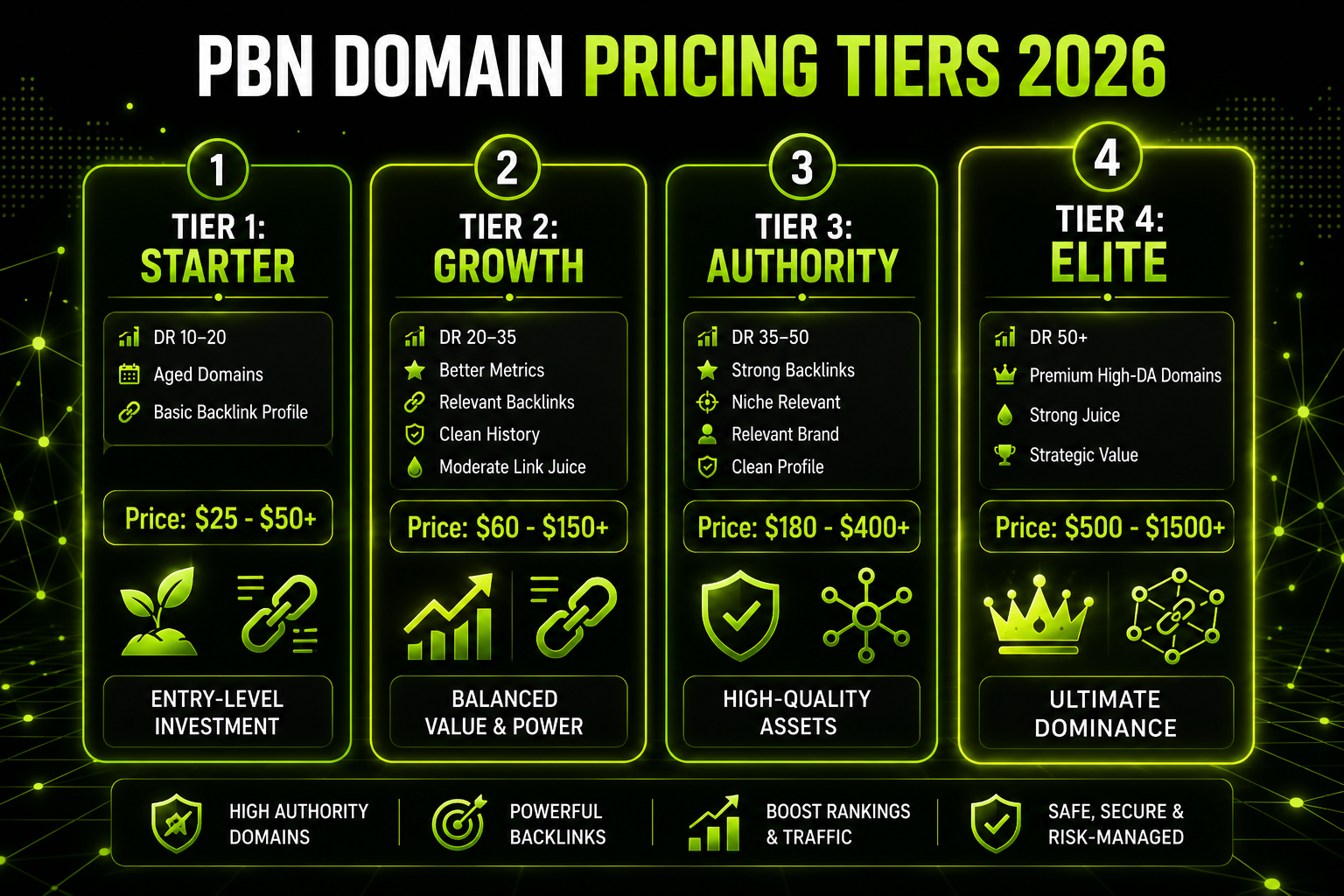
Entry Tier: £15–£80
What you get: TF10–TF18, DR15–DR25, minimal organic traffic, 10–30 genuine referring domains, broad niche relevance. These domains have real history but limited accumulated authority.
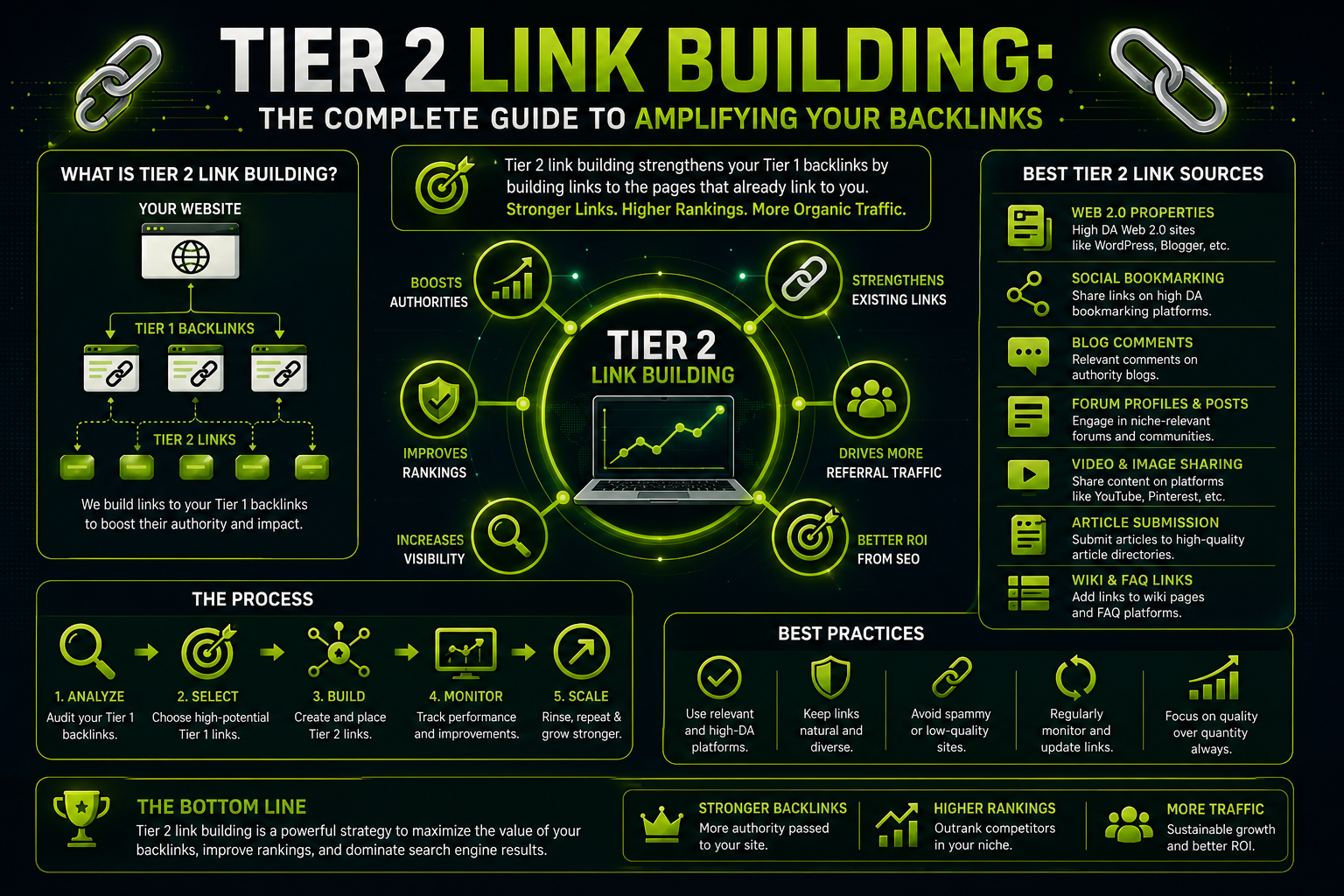
Best use: Tier 2 links (pointing at your existing backlinks), low-competition local SEO, niche-specific filler sites that support a stronger hub domain in your network.
Watch out for: Domains priced under £20 that show DR30+ — the metrics have almost certainly been inflated and will not deliver the authority their numbers suggest.
Mid Tier: £80–£200
What you get: TF18–TF30, DR25–DR45, 50–500 monthly organic visitors, 30–80 genuine referring domains, topical coherence with your target niche. This is the range where genuine PBN value begins.
Best use: Direct money site campaigns in moderately competitive niches. These domains have sufficient authority to move rankings meaningfully with well-placed, well-anchored links.
At auction: Expect competitive bidding. Set a maximum bid based on the metrics you have verified and do not exceed it — good domains come up regularly.
Premium Tier: £200–£600+
What you get: TF30–TF50+, DR40–DR65+, consistent organic traffic of 200+ monthly visits, 80–300+ genuine referring domains, strong aged content history and niche authority. At this tier, the domain genuinely punches above its weight in terms of link impact.
Best use: Competitive national keywords, finance and legal niches, authority consolidation for money sites in high-stakes campaigns.
At broker: Specialist brokers like SEO.Domains regularly list premium inventory in this range. For domains this valuable, the broker premium over auction price is often worth paying for the pre-vetting alone.
| Tier | Price Range | TF | DR | Organic Traffic | Best For |
|---|---|---|---|---|---|
| Entry | £15–£80 | 10–18 | 15–25 | Minimal | Tier 2, local SEO |
| Mid | £80–£200 | 18–30 | 25–45 | 50–500/mo | Money site campaigns |
| Premium | £200–£600+ | 30–50+ | 40–65+ | 200+/mo | Competitive niches |
Common Mistakes When Buying PBN Domains
Relying on DR Alone
The most common mistake. DR is the most visible metric and the most easily inflated. Buying a DR35 domain without checking TF, organic traffic, and referring domain quality is the fastest route to an expensive underperformer.
Skipping the Wayback Machine Check
This takes two minutes per domain and prevents the most catastrophic type of mistake: acquiring a domain with a hidden casino or adult content history. Google maintains a long memory for domain history.
Registering All Domains at One Registrar
A single account holding 20 or 30 PBN domains is a structural risk that makes every site in your network more vulnerable to a single discovery event. Distribute registrations across multiple providers.
Buying Cheap Domains Without Running the Checklist
At sub-£30 price points, the temptation to skip checklist steps is strongest. This is backwards — cheap domains require more scrutiny because the seller has less at stake in misrepresenting the quality. Run the full checklist on every domain including the cheapest.
FAQs
Where is the best place to buy PBN domains in 2026?
GoDaddy Auctions and Spamzilla are the best sourcing channels for volume buyers. Specialist brokers like SEO.Domains and LaunchCDN are better for buyers who want pre-vetted inventory. For high-value specific domains, Dropcatch and NameJet backorder services offer the best targeting capability.
What is Trust Flow and why does it matter for PBN domains?
Trust Flow is a Majestic metric that measures how closely a domain backlink profile is topologically connected to trusted seed sites. It is one of the most reliable third-party proxies for domain authority because it requires real links from genuinely trusted sources. For PBN domain evaluation, TF is the primary authority metric and should be checked alongside the TF:CF ratio.
How much should I pay for a PBN domain?
Quality entry-level domains with genuine authority (TF15+, some organic traffic) typically sell for £50–£150 at auction. Mid-tier domains (TF20–30) run £100–£250. Premium domains (TF30+, 200+ monthly visits) commonly reach £300–£600+ at broker or auction.
What niches should I avoid when buying PBN domains?
Avoid domains with any history in casino and gambling, pharmaceutical, payday loans, adult content, or crypto spam niches. Google algorithms apply heightened scrutiny to these verticals, and a domain history in them tends to persist in its quality assessment even after the content changes.
Do I need to rebuild the content on a PBN domain after purchasing it?
Yes, in almost all cases. The original content of an expired domain rarely aligns well with your current campaign niche. Rebuilding with 10 to 20 articles that maintain the domain historical topical identity while covering your target niche is the standard approach.
Can I buy PBN domains and use them immediately?
Not immediately. After acquiring a domain you need to rebuild or populate it with quality content, set up appropriate hosting with a separate IP from your other PBN sites, ensure Google crawls and indexes the new content, and wait for the rebuilt site to re-establish its crawl frequency before placing links.
Conclusion
Buying PBN domains well is a process, not a transaction. The sourcing channel, the metric evaluation, the Wayback Machine history check, the hosting setup, and the registrar distribution all contribute to the quality of the final network. If you want to understand the compounding advantage of domains that already have live backlinks pointing to them, see our guide on PBN domains with backlinks. The 10-point vetting checklist in this guide is the most practical tool available. Applied consistently to every domain you evaluate, regardless of price, it filters out the domains that would create footprint risk or underperform.
For the most efficient path to quality PBN link placement without the overhead of domain sourcing and network management, explore the buying PBN domains and ready-made placement options available — fully vetted domains with transparent metrics and consistent placement standards.
About the Author
Louis Dobbler is a PBN link building strategist and off-page SEO specialist with deep expertise in private blog network construction, domain acquisition, and authority link campaigns. At BuyPBNBacklinks, Louis oversees network quality, domain vetting, and campaign strategy — ensuring every PBN backlink placed meets the highest standards for authority, footprint safety, and long-term SEO performance.

Louis Dobbler is a PBN link building strategist and off page SEO specialist with deep expertise in private blog network construction, domain acquisition, and authority link campaigns. With years of experience working across competitive verticals including iGaming, crypto, finance, and CBD, Louis has helped hundreds of SEO agencies and affiliate marketers engineer rankings that hold through every Google core update.
At BuyPBNBacklinks, Louis oversees network quality, domain vetting, and campaign strategy ensuring every PBN backlink placed meets the highest standards for authority, footprint safety, and long term SEO performance.