Are your link building efforts pushing your ecommerce store down in the search rankings instead of up? Many online retailers invest time and resources into acquiring backlinks, only to see minimal or even negative results. This often happens because they are unknowingly making critical errors that search engines penalize.
The 7 link building mistakes that hurt ecommerce rankings most often are prioritizing link quantity over quality, using over-optimized anchor text, neglecting internal links, building links from thin content, pointing all links to the homepage, failing to analyze competitors, and using outdated tactics. Correcting these errors is essential for building a powerful backlink profile that drives sustainable organic growth in 2026.
Why Link Building Is Crucial for Ecommerce SEO in 2026
Link building remains a cornerstone of successful ecommerce SEO because backlinks are one of the most significant ranking factors for search engines like Google. Each high-quality backlink acts as a vote of confidence from another website, signaling to search algorithms that your content is credible, authoritative, and valuable. For online stores, this authority is what separates a top-ranking product page from one buried on page ten.

In the highly competitive ecommerce landscape, a strong backlink profile helps you outrank competitors, drive qualified referral traffic, and get your products and categories indexed faster. Without a strategic approach to acquiring links, your store will struggle to gain the visibility needed to attract organic customers. It’s not just about getting any link; it’s about earning links that transfer real authority and trust, which is fundamental to long-term SEO success.
7 Common Link Building Mistakes Hurting Your Rankings
Understanding the common pitfalls in link building is the first step toward creating a strategy that actually works. Many ecommerce businesses fall into the same traps, which can waste their budget and, in the worst cases, lead to Google penalties. By avoiding these errors, you can build a resilient backlink profile that supports your growth.
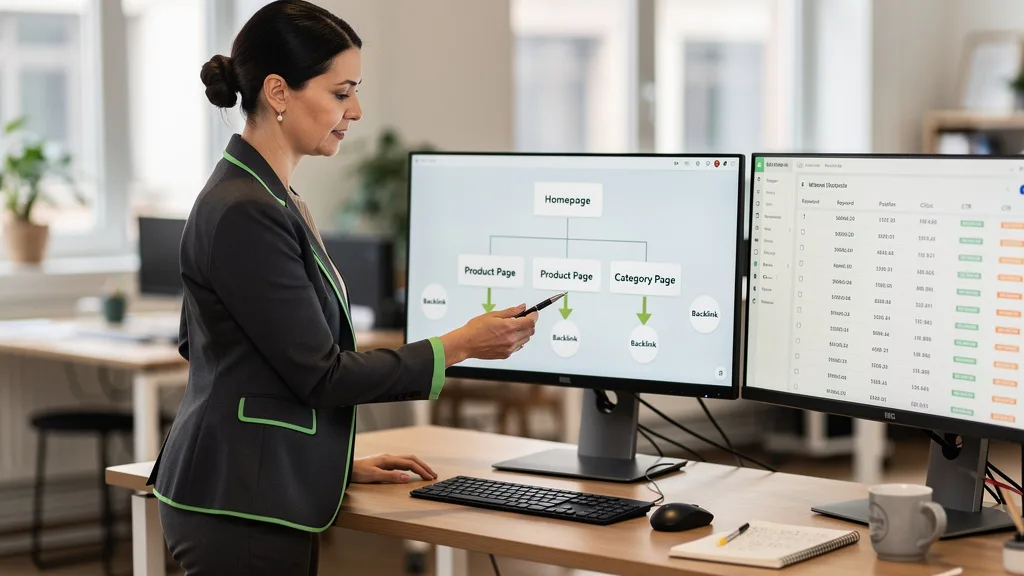
From focusing on the wrong metrics to using outdated methods, these mistakes can silently sabotage your SEO efforts. Let’s break down each of the seven most common and damaging link building mistakes so you can identify and correct them in your own strategy.
Mistake 1: Prioritizing Quantity Over Link Quality
One of the most persistent myths in SEO is that more backlinks are always better. This leads many to pursue a high volume of links from low-authority sources like spammy directories, comment sections, or cheap link farms. In 2026, Google’s algorithms are more sophisticated than ever and can easily distinguish between a valuable endorsement and a manipulative, low-quality link.
A single, contextually relevant link from a high-authority website is worth more than hundreds of low-quality ones. Focusing on quantity over quality not only wastes resources but also puts your site at risk of a manual or algorithmic penalty. Instead, shift your focus to acquiring links from reputable, relevant sites that have a real audience. The goal is to build a profile that looks natural and is based on merit, not sheer volume.
Mistake 2: Using Over-Optimized Anchor Text
Anchor text is the clickable text in a hyperlink, and it gives search engines context about the linked page. While it’s important to use relevant keywords, overdoing it with exact-match anchor text is a major red flag. If every backlink pointing to your product page for “blue running shoes” uses that exact phrase as the anchor, it looks unnatural and manipulative to Google.
A healthy anchor text profile is diverse and includes a mix of branded anchors (e.g., “Your Brand Name”), naked URLs (e.g., “www.yourstore.com/product”), generic anchors (e.g., “click here”), and partial-match or long-tail variations. This diversity signals a natural link profile that has been earned, not engineered. An over-optimized profile is a classic sign of a risky link scheme, which can suppress your rankings.
Mistake 3: Neglecting Your Internal Linking Architecture
While much of the focus is on external backlinks, your internal linking structure is a powerful and often overlooked SEO lever. Internal links help search engines understand your site’s structure, discover new pages, and distribute link equity (or “link juice”) throughout your site. A flat architecture with no strategic internal links leaves valuable product and category pages isolated.
Strategically link from your high-authority pages, like the homepage or popular blog posts, to important pages you want to rank. Use descriptive anchor text to provide context. For example, a blog post about “The Top 10 Running Shoes of 2026” should link to the relevant product pages. A strong internal linking strategy ensures that the authority you gain from external backlinks flows effectively across your entire site, lifting all your important pages.
Mistake 4: Building Links With Thin or Poor Content
Backlinks and content have a symbiotic relationship. It is extremely difficult to earn or build high-quality links that point to thin, low-value content. Reputable websites will not link to a product page with a single blurry image and a one-sentence description. Your on-page content must be worthy of a link.
This principle applies even when you are actively building links through methods like guest posting or using PBNs. The content surrounding your link must be well-written, relevant, and valuable to the reader. Search engines evaluate the context of a link, and a link placed within poorly written or irrelevant content carries significantly less weight. To attract and retain powerful backlinks, ensure your product pages, category descriptions, and blog posts are comprehensive and genuinely helpful.
Mistake 5: Pointing All Backlinks Only to Your Homepage
Another common mistake is directing every single backlink to your website’s homepage. While the homepage is naturally an authority hub, a link profile consisting solely of homepage links looks unnatural and does little to boost the rankings of your individual product or category pages. These are the pages that drive conversions, and they need link equity too.
A successful ecommerce link building strategy involves “deep linking,” which means acquiring links that point to specific, relevant pages deeper within your site structure. For example, a link from a shoe review blog should point directly to the product page for that shoe, not your homepage. This approach distributes authority more effectively and sends strong relevancy signals to search engines for your most important commercial pages.
Mistake 6: Failing to Analyze Competitor Backlinks
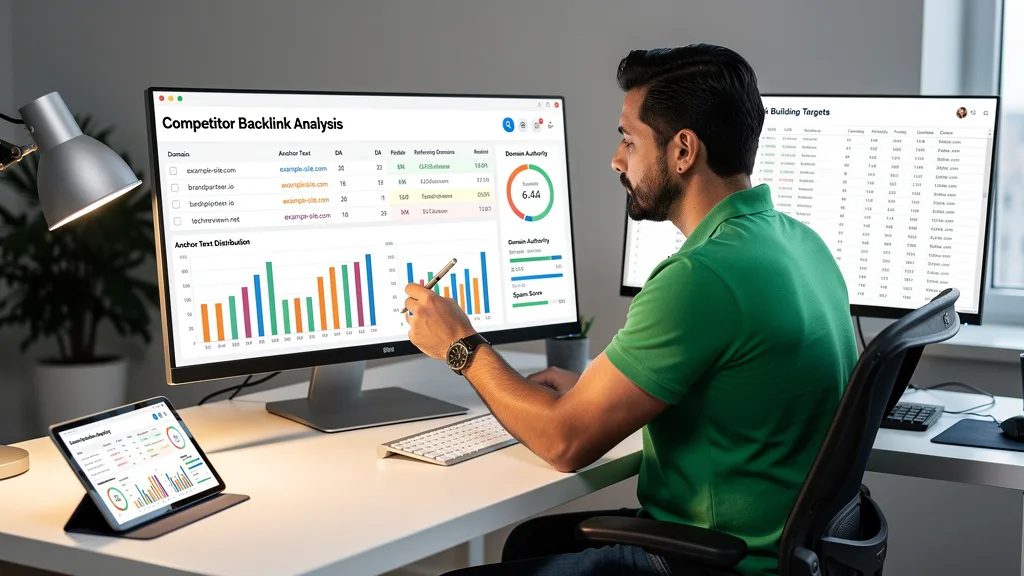
Ignoring your competitors is like navigating without a map. Your top-ranking competitors are successful for a reason, and their backlink profiles contain a wealth of strategic information. By analyzing where they get their links, you can identify high-authority, relevant websites in your niche that are open to linking to businesses like yours.
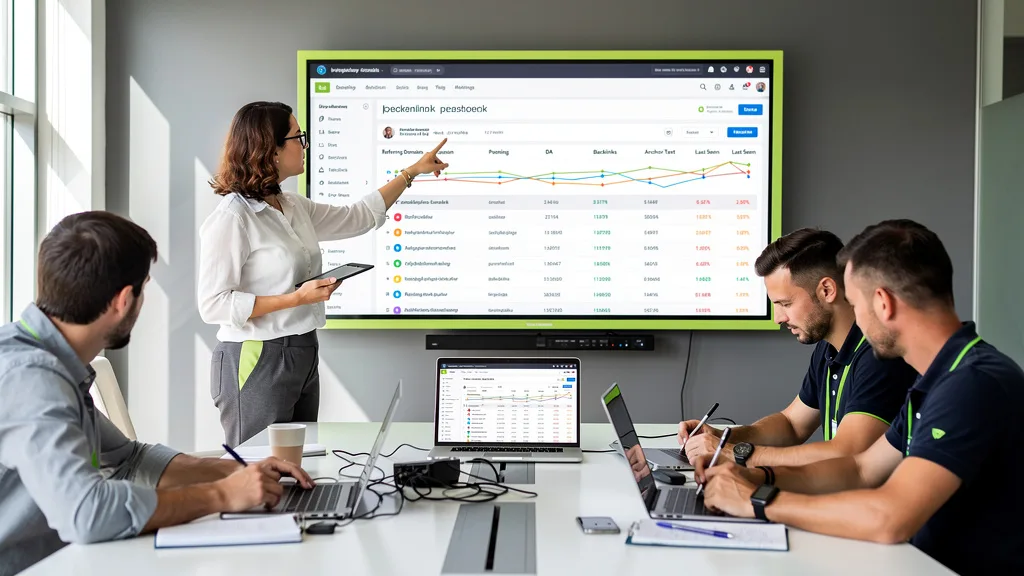
Use SEO tools like Ahrefs or SEMrush to export your competitors’ backlink data. Look for patterns: do they get links from industry blogs, news sites, or resource pages? This analysis allows you to discover new link building opportunities and replicate their successes. It also provides a benchmark for the number and quality of links you’ll need to compete effectively in the search results.
Mistake 7: Relying on Outdated and Harmful Tactics
The world of SEO is constantly evolving, and tactics that worked a decade ago are now ineffective and dangerous. Relying on outdated methods like comment spam, forum signatures, low-quality web 2.0 properties, and automated link building software is a fast track to a Google penalty. These tactics create a massive footprint that Google’s algorithms are specifically designed to detect and devalue.
Similarly, using low-quality PBNs with recycled domains, shared hosting, and spun content is incredibly risky. As a provider of safe, high-quality PBN backlinks, we understand the difference. A modern, effective strategy focuses on quality and safety. Avoid any tactic that promises thousands of links for a low price, as these are almost always associated with harmful, black-hat methods. An internal link to the best PBN services can help differentiate quality from risk.
Effective Ecommerce Link Building Strategies for 2026
Now that you know what to avoid, let’s focus on proactive strategies that deliver results. A successful link building campaign for an ecommerce site is multi-faceted, combining content creation, outreach, and relationship building. These modern tactics focus on earning high-quality, relevant links that stand the test of time.
Leverage Digital PR for High-Authority Mentions
Digital PR involves creating newsworthy content, stories, or data-driven studies that journalists and bloggers want to cover. For an ecommerce brand, this could mean conducting a survey about consumer shopping habits, creating an infographic about an industry trend, or launching a unique and interesting product. When high-authority news sites and publications feature your story, they will link back to your site as the source.

These are some of the most powerful links you can acquire, as they come from highly trusted domains with massive audiences. While it requires creativity and outreach efforts, a single successful digital PR campaign can land you dozens of authoritative backlinks that significantly move the needle on your SEO. low-quality link.
Capitalize on Supplier and Dealer Page Opportunities
If you sell products made by other companies, you have a built-in link building opportunity. Many manufacturers and suppliers have a “Where to Buy” or “Stockists” page on their website to direct customers to authorized retailers. These are often high-authority, highly relevant websites, and a link from them is a strong signal to Google.
Reach out to your suppliers and simply ask to be added to their list of retailers. Make it easy for them by providing your company name, logo, and the exact URL you want them to link to. This is a straightforward and highly effective tactic that many ecommerce stores overlook.
Create Genuinely Link-Worthy Content Assets
Passive link acquisition happens when you create content so valuable that other people link to it without you even having to ask. For an ecommerce site, these “link assets” go beyond standard product descriptions. They are comprehensive resources designed to help your target audience solve a problem.
Ideas for link-worthy assets include ultimate buyer’s guides, detailed comparison tools, original research reports, or a collection of industry statistics. For instance, a store selling camera equipment could create “The Ultimate Guide to Astrophotography for Beginners.” This type of evergreen content naturally attracts links from hobbyist blogs, photography forums, and other relevant sites over time, building your site’s authority.
How to Measure the Success of Your Link Building Efforts
Measuring the ROI of your link building is critical to refining your strategy and justifying your investment. Success isn’t just about counting the number of new links. Instead, you should focus on key performance indicators (KPIs) that reflect real business impact. Monitor these metrics to understand what’s working.

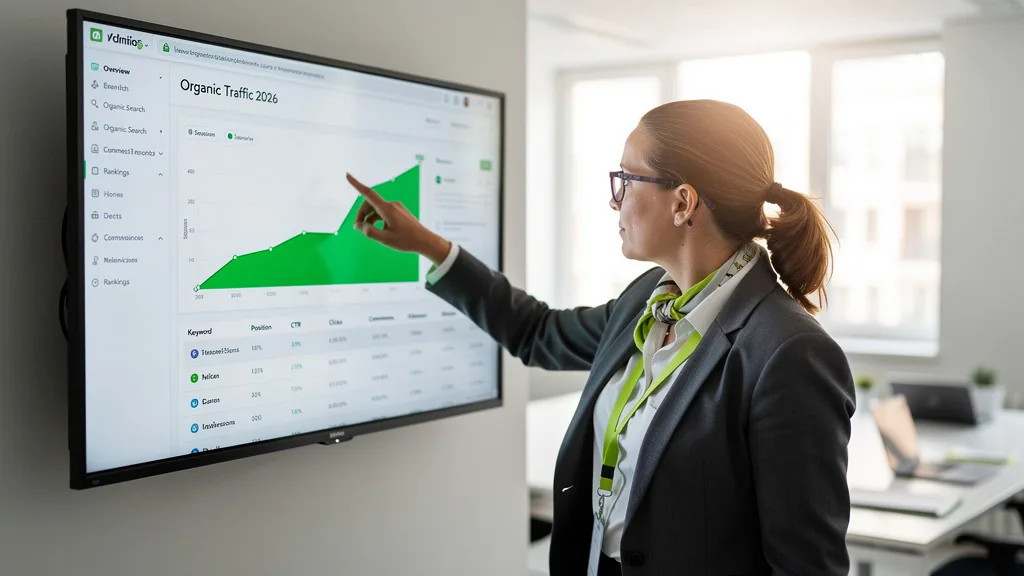
- Organic Traffic Growth: The primary goal of SEO is to increase qualified organic traffic. Track your traffic in Google Analytics, paying close attention to landing pages that you’ve been building links to.
- Keyword Ranking Improvements: Use a rank tracking tool to monitor your positions for target keywords. Successful link building should lead to improved rankings for the pages you are promoting.
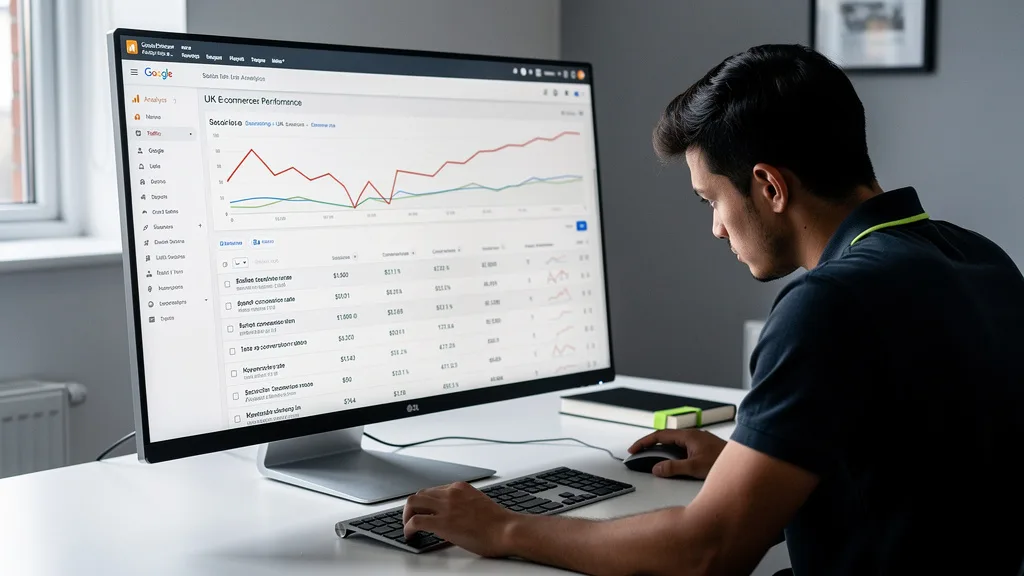
- Referral Traffic: Good backlinks don’t just pass authority; they also send real visitors. Check your referral traffic sources in Google Analytics to see which links are driving engaged users to your site.
- Domain Authority/Rating: While metrics like Moz’s Domain Authority (DA) or Ahrefs’ Domain Rating (DR) are third-party scores, a steady increase over time can indicate that your site’s authority is growing in the eyes of search engines.
- Conversion Rate from Organic Traffic: Ultimately, traffic is only valuable if it converts. Track the conversion rate of your organic visitors to ensure your link building efforts are attracting a relevant, purchase-intent audience.
Key Takeaways
To succeed with ecommerce SEO in 2026, avoiding common link building mistakes is just as important as implementing effective strategies. Your focus should always be on building a natural, high-quality, and diverse backlink profile that earns trust from both users and search engines. Remember these crucial points:
- Quality Over Quantity: One authoritative link is better than a hundred spammy ones. Always prioritize relevance and the linking site’s authority.
- Natural Anchor Text: Avoid over-optimizing with exact-match keywords. A diverse anchor text profile is safer and more effective.
- Build Links to Deep Pages: Don’t just point links to your homepage. Your product and category pages need authority to rank for commercial terms.
- Content is Key: You can’t build good links to bad content. Invest in creating link-worthy assets and comprehensive product pages.
- Stay Modern and Safe: Avoid outdated, risky tactics that can get your site penalized. Focus on sustainable strategies like digital PR, supplier outreach, and safe PBNs if you choose to buy PBN links.
Frequently Asked Questions
What does Google consider a high-quality backlink in 2026?
In 2026, Google considers a high-quality backlink to be one that comes from a reputable, topically relevant, and authoritative website. The link should be editorially placed within valuable content, meaning it was added because it genuinely adds value for the reader, not just for SEO purposes. The context surrounding the link is crucial.
Other factors include the authority of the specific linking page, the overall authority of the linking domain, and whether the link is a “dofollow” link that passes PageRank. A link from a well-respected industry blog’s in-depth article is high-quality; a link from an irrelevant, auto-generated directory is not.
Where can I amplify link-worthy content so it gets seen?
Creating great content is only half the battle; you need to actively promote it to the right audience to earn links. Start by sharing it across your own channels, including your email newsletter and social media profiles (LinkedIn, Twitter, Facebook). This can generate initial traction and social signals.
Next, perform targeted outreach. Identify bloggers, journalists, and website owners in your niche who have linked to similar content in the past. Send them a personalized email explaining why your content would be valuable to their audience. Paid promotion on social media can also help get your content in front of a larger audience, increasing the chances of it being discovered and linked to naturally.
How long does it take for link building to show results?
Link building is a long-term strategy, and patience is key. While you might see some initial movement within a few weeks, it typically takes 3 to 6 months to see significant, measurable results in terms of ranking improvements and organic traffic growth. The time frame depends on several factors, including your industry’s competitiveness, your site’s current authority, and the intensity of your link building campaign.
Google needs time to discover new backlinks, crawl them, and re-evaluate your page’s authority in relation to its competitors. Consistent, steady effort over time yields far better results than short, aggressive bursts of activity.
Is it safe to buy backlinks for an ecommerce website?
Buying backlinks is a nuanced topic. Google’s official stance is against buying links that pass PageRank. However, many successful SEO campaigns incorporate purchased links. The safety depends entirely on the quality and source of the links. Buying cheap, low-quality links from link farms or public networks is extremely dangerous and will likely result in a penalty.
However, purchasing placements on high-quality, private networks (PBNs) that are meticulously managed to avoid footprints can be a safe and effective way to build authority. The key is to work with a reputable provider that uses unique hosting, hand-written content, and aged, powerful domains. Always ask questions and vet your provider carefully before you buy a PBN backlinks service.
How many backlinks does an ecommerce site need to rank?
There is no magic number of backlinks needed to rank. The amount you need is relative to your competition. The best approach is to perform a competitive analysis. Use SEO tools to see how many backlinks the top-ranking pages for your target keywords have, and more importantly, analyze the quality of those links.
Your goal should be to build a backlink profile that is stronger and more authoritative than your competitors. This might mean you need 10 high-quality links for one keyword but 100 for a more competitive one. Focus on consistently acquiring high-quality, relevant links over time rather than chasing an arbitrary number.
Conclusion
Steering clear of these seven common link building mistakes is fundamental to achieving sustainable ecommerce growth in 2026. By shifting your focus from quantity to quality, diversifying your anchor text, and building links to valuable content on deep pages, you create a powerful and resilient SEO foundation. The most successful strategies are patient, methodical, and centered on earning genuine authority that search engines will reward for years to come.
If you’re ready to build a backlink profile that moves the needle without the risk, our team is here to help. We provide high-authority, footprint-free PBN links that are trusted by SEO professionals in the world’s most competitive niches. Get Started
If you want help turning this into a concrete plan for your site or team, take the next step below to apply 7 Link Building Mistakes That Hurt Ecommerce Rankings with confidence.
Ready to act on 7 Link Building Mistakes That Hurt Ecommerce Rankings? Get Started — tell us your goal, and we will help you pick the highest-leverage next step so you are not guessing alone.