
Are you struggling to move the needle in competitive search rankings? Landing high-authority backlinks is often the single most powerful factor in a successful SEO campaign, yet it remains one of the most challenging aspects of search engine optimization.
To how to land big links for your SEO campaign, you must develop a strategic, multi-faceted approach that combines creating valuable assets, performing targeted prospecting, and executing personalized outreach. This process involves identifying linkable content on your site, analyzing competitor backlink profiles to find opportunities, and building genuine relationships with editors and webmasters to secure high-quality placements that drive rankings.
Understanding SEO Campaigns and the Power of Backlinks
An SEO campaign is a coordinated effort to improve a website’s visibility in search engine results pages (SERPs). It involves various tactics like on-page optimization, technical SEO, content creation, and, most critically, link building. Backlinks, which are links from other websites to yours, act as votes of confidence in the eyes of search engines like Google. The more high-quality votes you have, the more authoritative your site appears, leading to higher rankings for your target keywords.

The power of backlinks cannot be overstated, especially in high-competition niches. A single authoritative link from a major publication can provide more ranking power than hundreds of low-quality links. This is because search engines weigh the authority, relevance, and trust of the linking domain. A well-executed link building strategy is the engine that drives an The Ultimate Guide to SEO, providing the authority needed to outrank established competitors and achieve a noticeable impact on organic traffic and revenue.
What Types of Links Are Best for SEO in 2026?
Not all links are created equal. In 2026, the focus is firmly on quality and relevance over sheer quantity. The best types of links are those that come from trusted, authoritative sources within your niche and are placed contextually within relevant content. These are the links that search engines value most and that will have the biggest positive impact on your rankings.
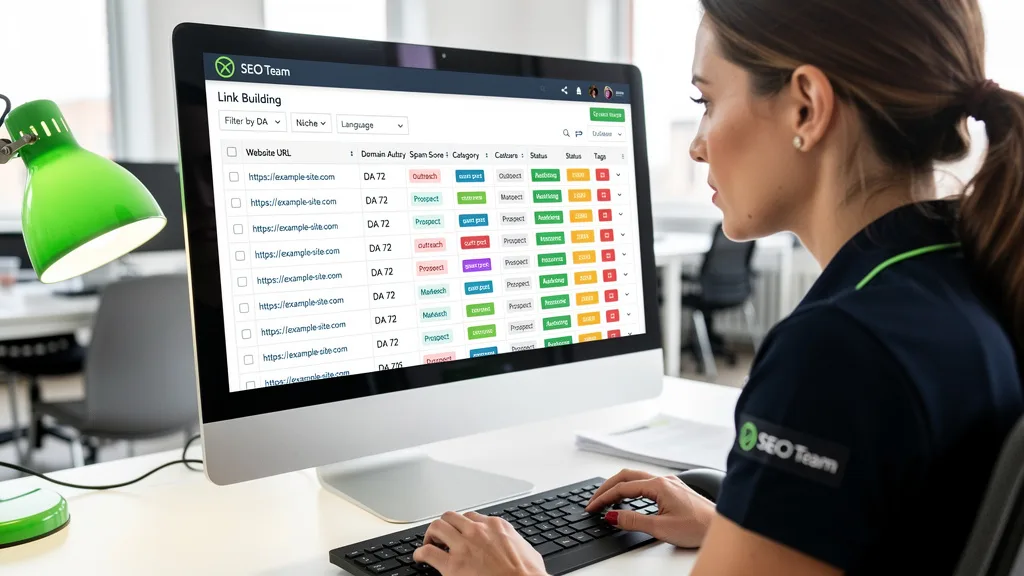
Building a diverse backlink profile is key to a natural and algorithm-proof strategy. A healthy mix of different high-quality link types signals a more organic growth pattern to search engines. Below is a comparison of some of the most effective link types to pursue for your SEO campaign.
| Link Type | Typical Authority | Acquisition Effort | Potential SEO Impact |
|---|---|---|---|
| Editorial Links | Very High (DA 70+) | Very High | Highest |
| Contextual Guest Posts | Medium to High (DA 40-70) | High | High |
| Resource Page Links | Low to Medium (DA 20-50) | Medium | Medium |
| Niche Directories | Low to Medium (DA 20-40) | Low | Low to Medium |
Editorial Links from High-Authority Publications
Editorial links are the gold standard of link building. These are links that are naturally placed by a journalist, editor, or writer within a piece of content on a high-authority site like a major news outlet or industry-leading publication. They are given because your content, data, or resource is deemed valuable and worthy of citation, carrying immense weight with search engines.
Securing these links is incredibly difficult and often requires a significant public relations effort, original research, or a truly exceptional piece of content that goes viral. You cannot directly ask for or buy these links. Instead, you earn them by becoming a go-to source of information in your industry, making them a long-term goal for any serious SEO campaign.
Contextual Links from Relevant Guest Posts
Guest posting involves writing an article for another website in your niche and including a contextual link back to your own site within the body of the content. This is a highly effective and popular link building method because it allows you to control the anchor text and surrounding content, ensuring maximum relevance. The key is to target reputable sites with genuine readership that are relevant to your own.
A successful guest posting strategy focuses on providing real value to the host site’s audience. The primary goal should be to share your expertise and build your brand, with the backlink being a secondary benefit. Low-quality, spammy guest posting on irrelevant sites can harm your SEO, so always prioritize quality and relevance over volume.
Resource Page and Niche Directory Links
Many websites, especially educational institutions and industry organizations, maintain resource pages that list helpful links for their audience. If you have a valuable guide, tool, or comprehensive article, you can reach out and suggest it as an addition to their page. This tactic, often called broken link building when you find and replace a dead link, can be an effective way to acquire relevant links.
Similarly, submitting your website to high-quality, human-edited niche directories can provide foundational links that help search engines understand your site’s topic and location. Avoid low-quality, automated directories that accept any submission, as these can be associated with spam. Focus on well-respected directories specific to your industry or region.
Step 1: Develop a Winning Link Building Strategy
Before you even think about sending an outreach email, you need a solid strategy. A well-defined plan is the difference between acquiring random links and building a powerful backlink profile that systematically improves your search rankings. A successful strategy acts as your roadmap, guiding your efforts and ensuring every action contributes to your overarching SEO goals.

Your strategy should detail what you want to achieve, how you’ll do it, and how you’ll measure success. This involves understanding your own strengths, analyzing the competitive landscape, and setting clear, measurable objectives for your campaign.
Identify Your Most Linkable Assets
A linkable asset is a piece of content on your website that other people will want to link to. It could be an in-depth guide, a free tool, an original research study, a compelling infographic, or a controversial opinion piece. Without valuable assets, your outreach efforts will fall flat because you have nothing of value to offer in return for a link.
Start by auditing your existing content to see what already performs well. Can you improve an existing blog post by adding more data, visuals, or expert quotes? Alternatively, brainstorm new content ideas that fill a gap in your industry. Creating something unique and genuinely useful is the most sustainable way to attract high-quality backlinks.
Analyze Your Competitors’ Backlink Profiles
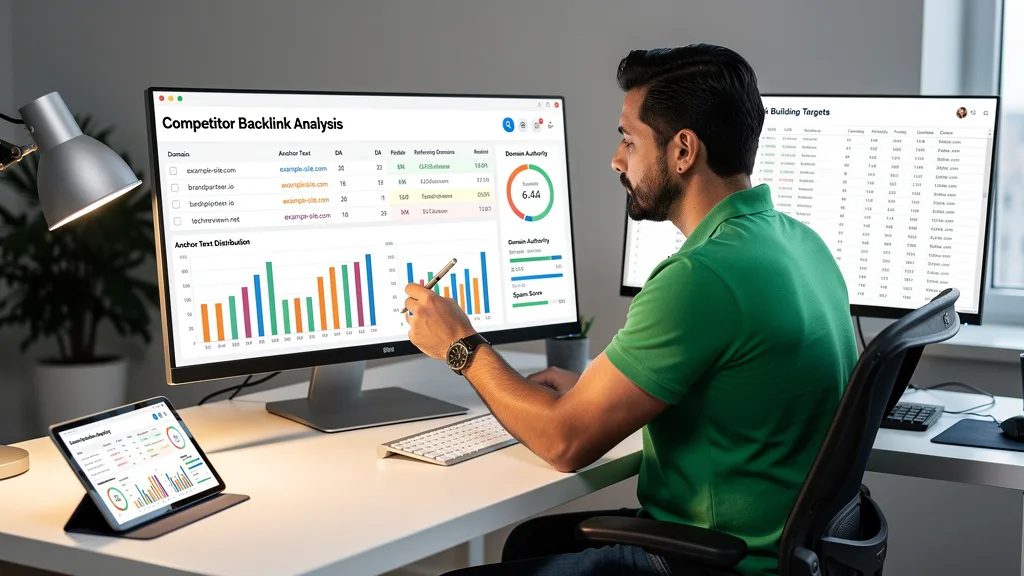
One of the fastest ways to find link building opportunities is to see who is linking to your competitors. By analyzing their backlink profiles using SEO tools, you can identify the websites and pages that are sending them the most authority. This process, known as a backlink gap analysis, reveals potential targets that are already linking to content similar to yours.
Look for patterns in their links. Are they getting a lot of links from guest posts, resource pages, or media mentions? This insight helps you understand what strategies are working in your niche and allows you to replicate their success. Your goal isn’t to copy their profile exactly but to find high-value opportunities you can pursue for your own site. This is a core component of many PBN links for affiliate sites strategies in competitive markets.
Set Clear Goals and Key Performance Indicators
Effective link building is data-driven. You need to set clear goals and KPIs to track your progress and measure the return on investment (ROI) of your efforts. Vague goals like “get more links” are not helpful. Instead, set specific, measurable, achievable, relevant, and time-bound (SMART) goals.
Examples of good KPIs for a link building campaign include the number of new referring domains acquired per month, the average Domain Authority (DA) of new links, improvements in keyword rankings for target pages, and the growth in organic traffic to those pages. Tracking these metrics will help you understand what’s working and where you need to adjust your strategy.
Step 2: Find High-Quality Link Building Opportunities
With a solid strategy in place, the next step is to build a list of potential websites to get links from. This process is known as prospecting. The quality of your prospect list will directly impact the success of your outreach campaign, so it’s essential to be thorough and discerning. Your aim is to find sites that are not only authoritative but also highly relevant to your niche and audience.

There are numerous methods for finding link prospects, ranging from simple Google searches to using sophisticated SEO software. A combination of these techniques will yield the most comprehensive list of opportunities. The key is to look beyond the obvious and uncover hidden gems that your competitors may have missed.
Using Advanced Search Operators in Google
Google itself can be a powerful prospecting tool if you know how to use it. Advanced search operators allow you to refine your search queries to find specific types of pages. For example, you can find resource pages by searching for queries like `”your keyword” + inurl:resources` or `”your keyword” + “helpful links”`.
Other useful operators include `intitle:` to find pages with a specific phrase in the title and `site:` to search within a particular website. By combining these operators, you can uncover guest post opportunities, resource lists, and other link building targets that are highly relevant to your industry. This is a fundamental skill for anyone looking to launch an awesome SEO campaign.
Leveraging SEO Tools for Prospecting
While manual prospecting has its place, SEO tools like Ahrefs, SEMrush, and Moz can dramatically speed up the process. These platforms allow you to analyze competitor backlink profiles at scale, find websites that link to multiple competitors but not to you, and discover content that has earned a lot of links in your niche.
“In 2026, the best link building campaigns are built on precision, not volume. Using advanced SEO tools to filter prospects by relevance, traffic, and authority is non-negotiable. One perfect link is worth more than a hundred mediocre ones, and data is how you find it.”
These tools often have dedicated features for link prospecting, such as content explorers and link intersect tools. By leveraging this data, you can build a highly targeted list of prospects in a fraction of the time it would take to do so manually, making your outreach efforts far more efficient and effective.
Identifying Unlinked Brand Mentions
An unlinked brand mention is when a website writes about your company, product, or brand but doesn’t include a link back to your site. This is one of the easiest link building opportunities available because the author is already familiar with and writing about you. All you need to do is reach out and politely ask them to turn the mention into a link.
You can find these opportunities by setting up Google Alerts for your brand name or by using brand monitoring tools. Regularly searching for your brand name in Google can also uncover recent mentions. This simple tactic is a quick win that can add valuable, contextually relevant links to your profile with minimal effort.
Step 3: Execute Effective Outreach to Secure Links
Once you have a high-quality prospect list, it’s time for outreach. This is where you contact the website owners, editors, or journalists and persuade them to link to your content. Your outreach approach can make or break your campaign. A generic, spammy email will be ignored or deleted, while a personalized, value-driven pitch can open the door to a valuable backlink and a long-term relationship.
The goal of outreach is not just to ask for a link but to demonstrate how linking to your resource will benefit their website and their audience. It’s about building a connection and providing genuine value, not just making a demand.
Crafting Personalized and Compelling Pitches
Generic email templates are the enemy of successful outreach. To stand out in a crowded inbox, your pitch must be personalized. Address the recipient by name, mention a specific article they’ve written, and explain exactly why your content is a good fit for their audience. Show that you’ve done your homework and aren’t just blasting out hundreds of identical emails.
Your pitch should be concise, clear, and compelling. Get straight to the point, explain the value proposition, and make it as easy as possible for them to say yes. Provide the exact URL you’d like them to link to and suggest a specific place where the link could be added. The more work you do for them, the higher your success rate will be.
Building Genuine Relationships with Editors
Link building shouldn’t be a transactional, one-time request. The most successful SEOs focus on building genuine, long-term relationships with editors, bloggers, and webmasters in their niche. When you have a real relationship, securing a link becomes a much easier and more natural process.
Engage with their content on social media, leave thoughtful comments on their blog posts, and offer them value without asking for anything in return. For example, you could share their content with your own audience or offer them an expert quote for an article they’re working on. By positioning yourself as a helpful resource, you’ll be top of mind when they need to link out to an expert source.
Following Up Strategically Without Being a Nuisance
People are busy, and inboxes are overflowing. It’s common for your initial outreach email to be missed. That’s why a strategic follow-up is crucial. A single, polite follow-up email a few days after your initial pitch can significantly increase your response rate. However, there’s a fine line between persistent and annoying.
A good rule of thumb is to send one or two follow-ups spaced about a week apart. Keep your follow-up message short and sweet, simply bumping your original email to the top of their inbox. If you don’t hear back after two follow-ups, it’s generally best to move on to other opportunities to avoid damaging your reputation.
Step 4: Track Your SEO Results and Measure Link Impact
Acquiring links is only half the battle. To justify the time and resources invested, you must track your results and measure the impact of your efforts on your SEO performance. This step is crucial for demonstrating ROI, refining your strategy, and proving the value of your work to clients or stakeholders. Without proper tracking, you’re flying blind.
Effective measurement involves using a combination of SEO tools to monitor new links, track keyword ranking changes, and analyze organic traffic growth. By correlating your link building activities with these key metrics, you can draw a clear line between your efforts and business outcomes.
Monitoring New Backlinks and Referring Domains
The first thing to track is the links themselves. Use tools like Ahrefs’ backlink checker or Google Search Console to monitor new backlinks as they are acquired. You should be looking at the number of new links, the number of unique referring domains, and the authority metrics (like DA or DR) of those domains. contextual links.
It’s also important to ensure your new links remain live and are indexed by Google. Some tools can alert you if a link is lost so you can reach out to the webmaster to try and get it reinstated. Consistent monitoring helps you maintain the integrity of your backlink profile.
Correlating Links with Keyword Ranking Improvements
The primary goal of link building is to improve search engine rankings. Use a rank tracking tool to monitor the positions of your target keywords in the SERPs. When you acquire a new, powerful link pointing to a specific page, you should expect to see a positive shift in rankings for the keywords that page is targeting.
While it’s not always a direct one-to-one correlation due to the many factors in Google’s algorithm, you should be able to see a clear upward trend over time. Mapping your link acquisitions against your ranking improvements on a timeline can be a powerful way to visualize the impact of your campaign. Understanding how many PBN links do I need for a given keyword is a data-driven process that relies on this type of correlation analysis.
Reporting on Link Building ROI
Ultimately, stakeholders want to know the return on investment. This involves connecting your SEO results to tangible business metrics like leads, sales, and revenue. By using analytics platforms like Google Analytics, you can track the organic traffic driven to your target pages and measure the conversion rate of that traffic.
You can calculate the ROI by comparing the value of the conversions generated from organic search against the cost of your link building campaign. Presenting this data in a clear, concise report demonstrates the financial impact of your work and helps secure ongoing budget and support for your SEO efforts. This is a critical part of knowing How Does Link Building Help a business’s bottom line.
Key Takeaways
Successfully landing big links for your SEO campaign in 2026 requires a strategic and persistent approach. Here are the most important points to remember:
- Strategy is paramount: Before starting any outreach, you must have a clear plan that includes identifying linkable assets, analyzing competitors, and setting measurable KPIs.
- Quality over quantity: Focus on acquiring links from authoritative, relevant websites. One high-quality link is more valuable than dozens of low-quality ones.
- Value-driven outreach: Personalize your pitches and focus on how your content benefits the other website’s audience. Build genuine relationships rather than making transactional requests.
- Diversify your link profile: Pursue a mix of link types, including editorial mentions, guest posts, and resource page links, to create a natural and robust backlink profile.
- Track and measure everything: Use SEO tools to monitor new links, track ranking improvements, and report on the ROI of your campaign to prove its value.
Frequently Asked Questions
What is the 80/20 rule in SEO?
The 80/20 rule, also known as the Pareto principle, suggests that roughly 80% of your results will come from 20% of your efforts. In SEO, this often means that a small number of high-impact activities drive the majority of your ranking improvements and traffic growth. For example, 20% of your pages might generate 80% of your organic traffic, or 20% of your backlinks could be providing 80% of your link equity.
Applying this rule to your SEO campaign means identifying and prioritizing those high-impact tasks. Instead of trying to do everything, focus your resources on the few activities that will move the needle the most, such as acquiring a handful of powerful editorial links rather than hundreds of low-quality directory submissions. This focus on efficiency is key to maximizing your SEO results.
How long does it take to land big links?
Landing big, high-authority links is a long-term process that requires patience and persistence. For a single high-value link from a major publication, the process can take anywhere from a few weeks to several months. This includes the time it takes for prospecting, relationship building, pitching, content creation, and finally, publication.
It’s important to set realistic expectations. You won’t build a powerful backlink profile overnight. A consistent, ongoing effort is required. While some quick wins are possible, a sustainable link building campaign that yields significant results is typically measured in months and years, not days and weeks.
Is it safe to buy backlinks for an SEO campaign?
Buying backlinks is a complex topic and carries risks if not done correctly. Google’s guidelines explicitly prohibit buying links that pass PageRank. However, the reality is that a significant portion of the link economy involves some form of payment, whether it’s for a writer’s time, an editorial fee, or placement costs. The key distinction lies in the quality and transparency of the process.
Purchasing links from low-quality link farms or services that promise hundreds of links for a low price is extremely risky and can lead to a manual penalty. However, investing in a high-quality service that secures genuine placements on real websites can be an effective way to accelerate your results. For example, using a reputable PBN provider with a footprint-free network can be a safe and powerful strategy. It is crucial to understand the risks and perform due diligence, as detailed in guides on whether PBN links are safe.
What’s the difference between link building and link earning?
Link building refers to the proactive process of manually acquiring backlinks. This includes activities like guest posting, broken link building, and directory submissions. It’s the direct result of your outreach and promotional efforts. You are actively “building” your link profile through specific actions.
Link earning, on the other hand, is the passive process of attracting links naturally because you have created exceptional content. This happens when other webmasters discover your content on their own and decide to link to it without any outreach from you. The goal of a sophisticated content marketing strategy is to create linkable assets that earn links, which are often the most valuable and authoritative links you can get.
How many backlinks do I need to rank higher?
There is no magic number of backlinks that guarantees a top ranking. The number of links you need depends entirely on the competitiveness of the keyword you are targeting. For a low-competition, long-tail keyword, you might be able to rank with just a handful of relevant links. For a highly competitive head term, you may need hundreds or even thousands of high-quality links to compete with the top-ranking pages.
Instead of focusing on a specific number, you should focus on your competitors. Analyze the backlink profiles of the pages that are currently ranking on the first page for your target keyword. Your goal should be to build a profile that is comparable in quality and quantity to theirs. It’s about relative authority, not an absolute number of links.
Conclusion
Mastering how to land big links for your SEO campaign is a game-changer for achieving top search engine rankings in 2026. By following a structured four-step process of strategy, prospecting, outreach, and tracking, you can systematically build a powerful backlink profile that drives sustainable organic growth. Remember to prioritize quality over quantity, create truly valuable content, and build genuine relationships within your industry. This strategic investment of time and effort will deliver a significant and lasting return for your business.
Ready to accelerate your rankings without the months of outreach and uncertainty? For SEO professionals and agencies in competitive niches, our high-DA PBN backlinks provide the authority you need to move the needle fast. Our network is built on hand-selected aged domains and is completely footprint-free. Get Started
If you want help turning this into a concrete plan for your site or team, take the next step below to apply How to Land Big Links for Your SEO Campaign with confidence.
Ready to act on How to Land Big Links for Your SEO Campaign? Get Started — tell us your goal, and we will help you pick the highest-leverage next step so you are not guessing alone.