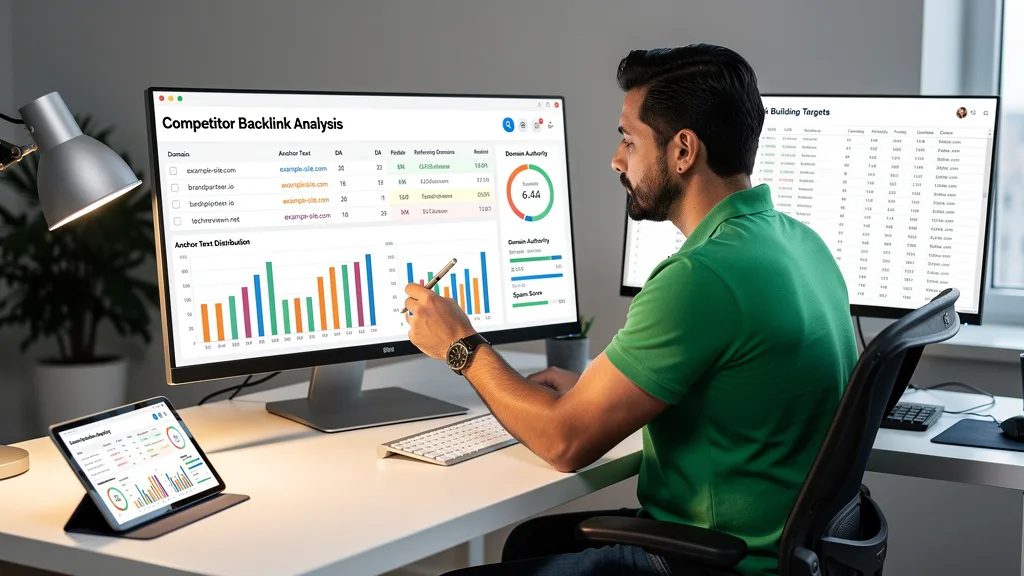

Are you leveraging your PBNs to their full potential in an AI-driven search landscape? As Google and other search engines integrate AI Overviews, the old rules of keyword density and simple backlinks are becoming obsolete. The new frontier is securing a coveted spot within the AI-generated answer itself, a practice that demands a sophisticated content strategy.
To achieve this, you must learn how to structure PBN linked content for AEO success. This involves creating content that is not just readable by algorithms but is actively chosen as a citable source. The core method is to provide direct, factual answers in a highly structured format, using clear headings, lists, and concise paragraphs. This approach ensures AI engines can easily parse, understand, and reference your content, passing authority directly to your money site through citation.
Understanding AEO in the Context of Your PBN Strategy
The rise of AI-powered search results requires a fundamental shift in how SEO professionals approach content, especially within a Private Blog Network. It’s no longer enough for your PBN articles to simply exist and contain a link. They must now actively compete to become a source for AI-generated answers, a process governed by the principles of Answer Engine Optimization.
What Is Answer Engine Optimization (AEO)?
Answer Engine Optimization (AEO) is the process of creating and formatting web content so that it can be easily understood and used as a direct answer by AI-driven search technologies like Google’s AI Overviews and ChatGPT. Unlike traditional SEO, which focuses on ranking a page in a list of blue links, AEO aims to make your content the authoritative source for a specific query, positioning it directly within the AI-generated response. This is the next evolution of capturing top-of-SERP real estate.
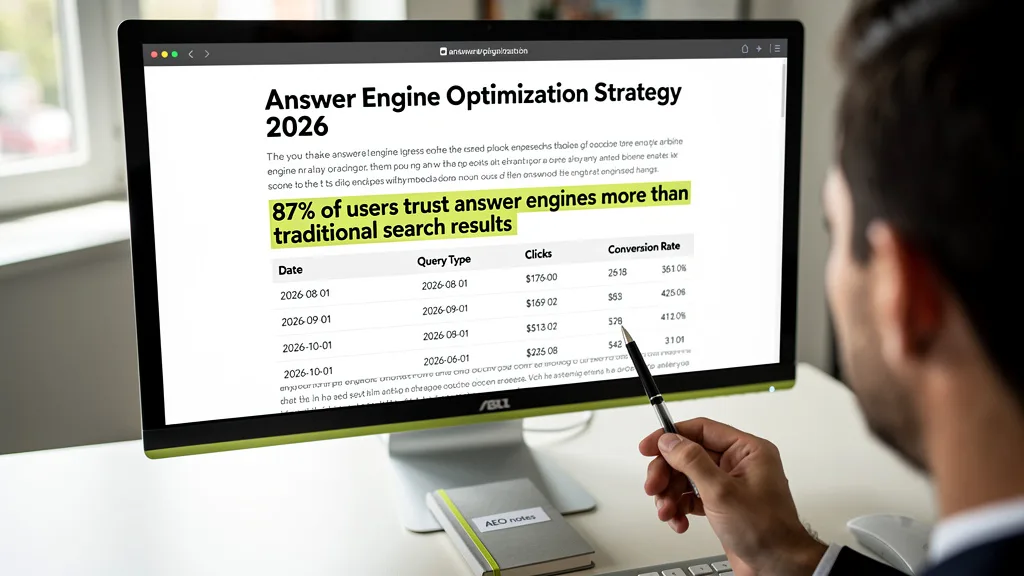
For PBNs, this means structuring your articles to be highly citable. The goal is for the AI to pull a snippet from your PBN post, reference it, and ideally, link back to it as a source, thereby passing powerful, contextual relevance to your money site. Understanding what is Answer Engine Optimization is the first step toward adapting your network for the modern web and ensuring your links continue to deliver maximum impact in competitive niches.
Why AEO Is Critical for PBN Effectiveness in 2026
In 2026, the effectiveness of your PBN hinges on its ability to adapt to AI search. As users increasingly receive direct answers instead of a list of links, the value of a simple backlink diminishes if it’s buried on a page that never gets seen. AEO is critical because it ensures your PBN content remains visible and influential, directly within the most prominent feature of the search results page.
When an AI engine cites your PBN article, it’s a powerful signal of trust and authority. This citation not only validates the content on your network but also creates a high-quality, contextual link to your money site that is algorithmically endorsed. For high-stakes industries like iGaming, finance, and crypto, securing these AI citations can provide a significant competitive advantage, driving qualified traffic and building a more resilient backlink profile that is less susceptible to algorithm updates.
Core Principles for Content That AI Engines Will Cite
To get your PBN content cited by AI, you need to think like an AI. These systems are designed to find the most accurate, clear, and trustworthy information to answer a user’s query. By adhering to a few core principles, you can dramatically increase the likelihood that your content will be selected.
Provide Direct, Factual Answers to User Questions
The most important principle of AEO is to answer the target question directly and immediately. The first one or two sentences following a heading should provide a complete, self-contained answer. Avoid long, winding introductions or burying the key information deep within a paragraph. This “answer-first” approach makes it incredibly easy for an AI to lift your sentence or paragraph as the definitive response.

Think of each section of your PBN article as a mini Q&A. The heading is the question, and the opening paragraph is the answer. This structure mirrors how AI models are trained to process and retrieve information. By aligning your content with this model, you are essentially pre-packaging it for AI consumption, making it a prime candidate for citation.
Prioritize Clarity and Readability Over Keyword Density
The days of stuffing keywords into content to rank are long gone, and this is especially true for AEO. AI engines prioritize content that is clear, well-written, and provides genuine value to a human reader. Over-optimizing with keywords creates awkward phrasing that AI can easily detect as low-quality or manipulative, causing it to disregard your content entirely.
Instead, focus on using natural language and explaining concepts simply. Use your target keywords and related terms organically within the text. A high readability score is a much stronger signal to an AI than high keyword density. Clear, concise writing demonstrates authority and trustworthiness, which are key factors in the AI citation process.
Incorporate Specific Data, Dates, and Named Entities
AI engines are built to recognize and prioritize factual information. Including specific data points, statistics, dates, and named entities (like company names, software, or specific regulations) makes your content more credible and authoritative. Vague statements are easily ignored, but a sentence containing a specific number and a year is highly citable.
For example, instead of writing “PBNs can improve rankings,” a more AEO-friendly statement would be, “As of 2026, PBNs with a Domain Authority over 50 have been shown to improve rankings for competitive keywords within 4 to 6 weeks.” This specificity provides a concrete fact that an AI can confidently present to a user. This is a core reason why structure, authority, and consistency are paramount for AI answerability.
How to Format PBN Content for AEO Success
Formatting is not just about aesthetics; it is a critical component of AEO. A well-structured document is easier for AI to crawl, parse, and understand. Proper formatting acts as a roadmap, guiding the AI to the most important information and making your content simple to deconstruct into citable snippets.
“For AEO success, your content structure is your sales pitch to the AI. Clear headings, concise paragraphs, and scannable lists tell the AI that your information is organized, accessible, and ready for citation. It’s the technical foundation upon which your PBN’s authority is built in 2026.”

Implement a Clear Heading and Subheading Structure
A logical hierarchy of headings (H1, H2, H3) is fundamental to AEO. Headings break your content into thematic sections, signaling the topic of each part to AI crawlers. Each heading should accurately reflect the content that follows it, often framed as a question or a clear statement that a user might search for.
This organized structure allows an AI to quickly map out your article and understand the relationship between different pieces of information. It can identify which section answers a specific sub-topic and extract that information with confidence. Without a clear heading structure, your article appears as an unstructured wall of text, making it nearly impossible for an AI to parse effectively.
Use Bulleted and Numbered Lists for Scannability
Lists are a powerful tool for AEO because they present information in a format that is inherently structured and easy to digest. Both AI engines and human readers appreciate scannable lists for breaking down complex topics, steps, or features into individual points. This makes the information highly portable and ideal for inclusion in AI-generated summaries.
When creating content for your PBNs, look for opportunities to convert dense paragraphs into bulleted or numbered lists. For example, instead of describing the benefits of a strategy in a long sentence, list them out. This not only improves readability but also creates multiple potential snippets that an AI can choose to cite.
Write Short, Concise Paragraphs and Sentences
Long, complex sentences and dense paragraphs are enemies of AEO. AI engines favor content that is easy to process, and short, concise paragraphs (2-4 sentences) are ideal. Each paragraph should focus on a single idea, making it a self-contained unit of information that can be easily extracted.
This practice also aligns with mobile-first indexing, as shorter paragraphs are much easier to read on small screens. By keeping your writing direct and to the point, you cater to both the technical requirements of AI and the preferences of modern users. A great way to begin is by reviewing your existing PBN content and breaking up any paragraph that exceeds five lines of text.
| Formatting Element | Best Practice for AEO | Why It Works |
|---|---|---|
| Headings (H2, H3) | Use a logical hierarchy to structure topics. | Creates a clear roadmap for AI crawlers. |
| Paragraphs | Keep them short, 2-4 sentences maximum. | Easy for AI to extract as self-contained snippets. |
| Lists (Bulleted/Numbered) | Use to break down steps, features, or benefits. | Highly scannable and citable format. |
| Sentences | Write in a clear, simple, and direct style. | Improves readability and reduces ambiguity for AI. |
| Bold Text | Use strong tags to emphasize key terms. | Highlights important concepts for quick parsing. |
Building Perceived Authority and Trust Signals
For an AI to cite your content, it must perceive it as authoritative and trustworthy. While PBNs operate in a grey area of SEO, the content hosted on them must still adhere to the principles that build trust. This involves ensuring factual accuracy, simulating E-E-A-T signals, and avoiding content that could be flagged as low-quality or harmful.
Ensuring Factual Accuracy in Your PBN Articles
Factual accuracy is non-negotiable for AEO. AI models are increasingly sophisticated at cross-referencing information across the web to verify claims. If your PBN content contains inaccurate data, unsubstantiated claims, or outdated information, it will be quickly identified and disregarded as a potential source. This not only prevents citation but can also devalue the entire PBN site.
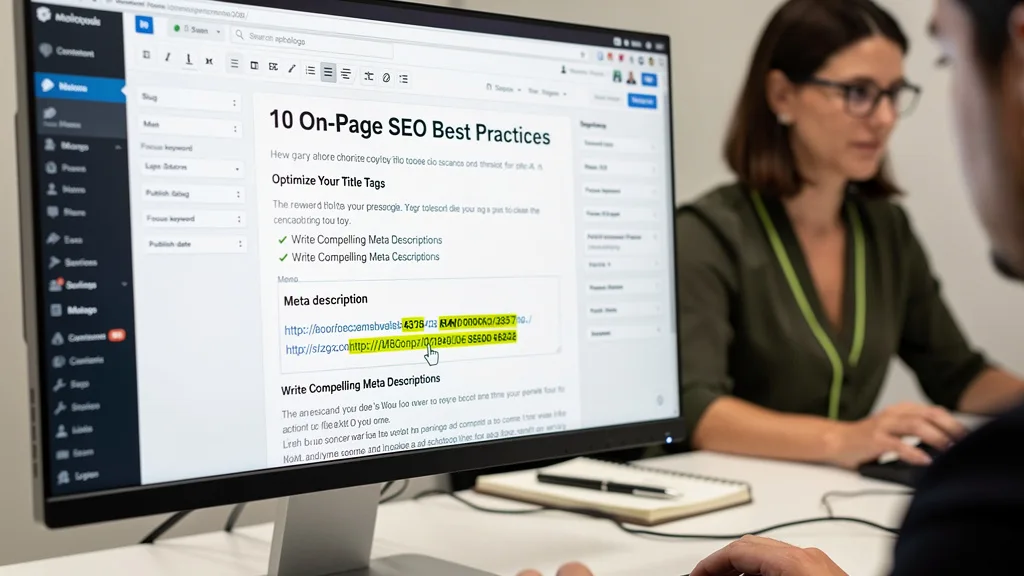
Before publishing any content, double-check all facts, figures, and dates. If you are writing about a topic in a competitive niche like finance or pharma, ensure your information is aligned with established knowledge. Presenting accurate, well-researched content is one of the strongest trust signals you can send to an AI engine.
Simulating E-E-A-T Principles Within Your Network
Google’s E-E-A-T (Experience, Expertise, Authoritativeness, Trustworthiness) guidelines are crucial for AEO. While a PBN site won’t have the same public-facing authority as a major brand, you can simulate these principles within your content. Write articles that demonstrate deep expertise on a topic. Maintain a consistent theme for each site in your network to build topical authority.
Even small details can help. Consider adding a simple author bio (even a pseudonym) to suggest a real person is behind the content. Structuring content in a professional, error-free manner builds trustworthiness. The goal is to make the PBN article look and feel like a legitimate piece of expert content, which is a key consideration when deciding if PBN links are safe and effective for your long-term strategy.
Avoiding Content That Triggers AI Safety Filters
AI models are equipped with safety filters designed to prevent the spread of misinformation, harmful content, and unsupported claims, especially for YMYL (Your Money or Your Life) topics. Given that many PBN users operate in these high-stakes niches, it’s vital to create content that is informative and objective rather than making exaggerated promises or giving unqualified advice.
For example, when writing for a finance-related PBN, focus on explaining financial concepts or analyzing market trends rather than offering direct investment advice. For a health or CBD-related site, discuss the science and research in a neutral tone. Steering clear of sensationalism and hype-driven language will help your content pass through AI safety filters and be seen as a reliable source of information.
Strategically Integrating Links to Your Money Site
The ultimate purpose of a PBN is to pass authority to your money site. In an AEO framework, the way you integrate links is just as important as the content itself. A well-placed, contextually relevant link within a citable article is far more powerful than a link dropped randomly into thin content.
Contextual Anchor Text Best Practices for AEO
For AEO, your anchor text should be natural and descriptive. Move away from a heavy reliance on exact-match keywords and instead use anchors that accurately describe the content of the linked page. Phrase-match anchors, branded anchors, and even naked URLs can appear more natural to an AI and help diversify your backlink profile.
The anchor text should fit seamlessly into the sentence, providing additional context and value to the reader. For example, instead of forcing the anchor “best casino bonus,” you could use a more natural phrase like “explore a variety of welcome offers for new players.” This approach signals to the AI that the link is an organic, helpful resource rather than a manipulative attempt to rank.
Optimal Link Placement Within AEO-Structured Content
The placement of your link matters. The ideal location is within the body of a well-structured, informative paragraph that is relevant to the link’s destination. The link should serve as a natural next step or a deeper resource for the reader who wants to learn more about a specific point you’ve made.
Avoid placing links in the first sentence or in a standalone paragraph, as this can look spammy to both users and AI. Instead, embed the link mid-paragraph where it logically supports the surrounding text. A detailed understanding of how many links to include in a blog post and where to place them is crucial for maximizing the effectiveness of your AEO-optimized PBN content.
Common Mistakes to Avoid in Your PBN AEO Strategy
As you adapt your PBNs for Answer Engine Optimization, it’s easy to fall into common traps that can undermine your efforts. Avoiding these mistakes is crucial for ensuring your content gets cited and passes maximum value. Being aware of these pitfalls will help you refine your approach and stay ahead of the curve.
- Thin or Low-Quality Content: AI engines will not cite shallow articles that offer no real value. Every PBN post must be well-researched and comprehensive.
- Ignoring User Intent: Failing to directly answer the question the user is asking. Your content must be a solution, not just a collection of keywords.
- Unnatural Link Integration: Forcing links with exact-match anchors into irrelevant content. Links must be contextual and add value.
- Poor Formatting: Neglecting headings, lists, and short paragraphs makes content difficult for AI to parse and disqualifies it from citation.
- Factual Inaccuracies: Publishing unverified or false information is the fastest way to lose trust with AI engines and get your entire site devalued.
- Overlooking Mobile Experience: Writing in long, dense blocks of text that are unreadable on mobile devices, where most AI-driven searches occur.
Key Takeaways
Optimizing your PBN content for AEO is no longer optional; it’s essential for success in 2026. By focusing on creating high-quality, structured, and trustworthy content, you can position your network to be cited by AI, delivering powerful authority to your money sites. Here are the key takeaways to implement immediately:
- Answer First, Explain Later: Structure every section to provide a direct answer in the first sentence.
- Format for Machines: Use clear headings (H2s, H3s), short paragraphs, and lists to make your content easy for AI to parse.
- Build Trust with Facts: Incorporate specific data, dates, and named entities to increase credibility and citability.
- Simulate E-E-A-T: Ensure content is accurate, demonstrates expertise, and appears trustworthy, even on a PBN.
- Link Contextually: Use natural, descriptive anchor text and place links where they provide genuine value within the content.
- Prioritize Quality Over Quantity: One well-structured, AEO-optimized article is more valuable than ten thin, poorly formatted posts. If you are starting out, a solid guide on how to build a PBN with these principles in mind is essential.
Frequently Asked Questions
When structuring content for AI citation, where should the core answer be positioned?
The core answer should always be positioned at the very beginning of the relevant section, directly following the heading. This “answer-first” or “inverted pyramid” approach ensures an AI can immediately identify and extract the most critical piece of information without having to parse through introductory fluff. The first one or two sentences should be a complete, standalone answer to the question posed by the heading.
Supporting details, context, and examples can follow in subsequent paragraphs. By placing the answer upfront, you are optimizing for efficiency, which is a primary goal of any AI system. This makes your content the path of least resistance for an AI looking to provide a quick, accurate response to a user’s query.
Why does AI citation work differently than traditional search ranking?
Traditional search ranking is primarily about ordering a list of relevant documents (web pages) based on hundreds of signals like backlinks, keywords, and domain authority. The goal is to present the user with a list of the best possible resources to click on. The user still has to do the work of visiting the page and finding the answer themselves.
AI citation, however, is about synthesis and extraction. The AI’s goal is to find the single best answer within those documents and present it directly to the user, often eliminating the need to click any links at all. Therefore, it prioritizes content clarity, factual accuracy, and structural simplicity over raw domain authority, as its main task is to pull a specific, citable snippet.
What is the 80/20 rule in SEO and how does it apply to this strategy?
The 80/20 rule, or Pareto Principle, suggests that 80% of your results often come from 20% of your efforts. In the context of SEO and AEO, this means focusing on the most impactful activities. For your PBN AEO strategy, the “20%” of effort that yields 80% of the results is content structure and quality, not just link volume.
Instead of building hundreds of mediocre PBN links, the 80/20 rule would suggest you focus on creating a smaller number of exceptionally well-structured, AEO-optimized articles on your strongest PBN domains. The authority passed from a single AI-cited link can be far more powerful than dozens of links on pages that are never seen by users or AI.
How can you optimize existing PBN blogs for AEO without a complete overhaul?
You can achieve significant AEO improvements on existing PBN blogs with a targeted approach. Start by identifying your highest-authority posts that target clear questions. Then, rewrite the first paragraph to be a direct, concise answer. Break up long paragraphs into shorter ones and convert dense text into bulleted or numbered lists.
Next, implement a clear heading structure (H2s, H3s) if one is missing. Finally, review the content for factual accuracy and update any outdated information with specific dates and data for 2026. This focused editing is far more efficient than a complete rewrite and can quickly make your old content AEO-ready. For more options, you can review a complete PBN links buyer’s guide to see how quality content plays a role.
Conclusion
Mastering how to structure PBN linked content for AEO success is the key to future-proofing your off-page SEO strategy. As AI continues to reshape the search landscape, the value of your PBNs will be determined by their ability to get cited, not just indexed. By implementing the principles of direct answers, clear formatting, and demonstrable authority, you transform your network from a simple link farm into a powerful tool for influencing AI-driven search results. The next step is to apply these tactics to your highest-value PBN sites and start securing the authoritative citations that will drive rankings in 2026 and beyond.
Ready to power up your SEO with PBN links built for the AI era? Our high-DA PBNs feature hand-written, AEO-optimized content designed to get you noticed by search engines and drive real results. Stop guessing and start ranking. Get Started
If you want help turning this into a concrete plan for your site or team, take the next step below to apply How to Structure PBN Linked Content for AEO Success with confidence.
Ready to act on How to Structure PBN Linked Content for AEO Success? Get Started — tell us your goal, and we will help you pick the highest-leverage next step so you are not guessing alone.