
Are you struggling to move the needle on your search engine rankings? The secret might not be more content, but stronger authority. Understanding what are link building opportunities and how to spot them is the key to unlocking sustainable SEO growth and outranking your competition in even the most challenging niches.
Link building opportunities are specific chances to acquire a hyperlink from another website to your own. These range from reclaiming unlinked brand mentions to creating valuable resources that others want to cite. Spotting them involves analyzing competitors, finding broken links on other sites, and strategically publishing content that naturally attracts backlinks, all of which signal to search engines that your site is a credible authority worth ranking higher.
What Is Link Building and Why Does It Matter for SEO?
Link building is the strategic process of acquiring hyperlinks, or backlinks, from other websites to your own. These links act as votes of confidence, signaling to search engines like Google that your content is valuable, credible, and trustworthy. A well-executed link building strategy is one of the most powerful factors in achieving higher rankings, driving qualified organic traffic, and establishing your brand as an authority in its field.

In the context of modern SEO, not all links are created equal. The focus has shifted dramatically from quantity to quality. Search engines and AI systems now evaluate the relevance of the linking site, the authority of the domain, and the context of the link itself. This is why a single, powerful link from a highly respected site can have a greater impact than dozens of low-quality links from irrelevant sources.
Defining Link Building for Modern Search Engines
For modern search engines, link building is about earning endorsements. When a reputable website links to your page, it essentially vouches for your content’s quality. This process helps search algorithms understand how pages relate to one another and determine which pages deserve to rank for specific queries. A strong backlink profile is a direct reflection of your site’s reputation across the web.
Effective link building in 2026 involves more than just acquiring links. It encompasses a range of activities, including digital PR, content marketing, and relationship building. The goal is to create a natural and diverse portfolio of backlinks that demonstrates genuine authority and provides real value to users who click on them. For a foundational overview, many SEOs reference guides on Link Building to grasp the core concepts.
How Backlinks Impact Your Organic Traffic and Authority
Backlinks are a primary driver of organic traffic. When you earn links from high-authority websites, some of their authority, often called ‘link equity,’ is passed to your site. This boost can significantly improve your rankings for your target keywords, leading to increased visibility in search results and, consequently, more visitors. A steady flow of traffic from relevant, high-quality sources is a clear indicator of a successful campaign.
Beyond traffic, backlinks are fundamental to building your website’s Domain Authority (DA) or Domain Rating (DR). These metrics, developed by Moz and Ahrefs respectively, estimate your site’s overall ranking potential. A higher authority score makes it easier for all of your pages, not just the one being linked to, to rank well. This is particularly crucial when starting link building for a new website, as it establishes an essential foundation for future growth.
The Connection Between Links and Brand Trust
Links from reputable sources build more than just search rankings; they build brand trust. When potential customers see your brand mentioned or cited on well-known industry blogs, news sites, or resource pages, it enhances your credibility. This third-party validation is often more powerful than direct advertising, as it serves as an unbiased endorsement of your expertise and offerings.
This trust extends to search engines. A profile of links from authoritative, relevant websites signals that your brand is a legitimate and important player in your industry. This helps differentiate you from spammy or low-quality competitors, making your site a more reliable result for users. Over time, this accumulated trust can lead to better rankings, more direct traffic, and a stronger brand reputation.
7 Types of Link Building Opportunities to Find in 2026
Identifying the right link building opportunities is a mix of technical analysis and creative strategy. In 2026, a diverse approach is essential for building a robust and algorithm-proof backlink profile. Below are seven effective types of opportunities you can pursue to enhance your SEO performance, each with its own level of effort and potential impact.

| Opportunity Type | Effort Level | Potential Impact | Best For |
|---|---|---|---|
| Unlinked Brand Mentions | Low | Medium | Established brands with existing online presence |
| Broken Link Building | Medium | High | Sites with strong content to offer as replacements |
| Guest Posting | Medium-High | High | Building authority and reaching new audiences |
| Resource Pages | Medium | Medium | Sites with definitive guides, tools, or data |
| Competitor Analysis | Medium | Very High | Reverse-engineering success in competitive niches |
| Digital PR | High | Very High | Creating newsworthy content for mass appeal |
| Q&A Platforms | Low | Low-Medium | Driving referral traffic and demonstrating expertise |
Unlinked Brand Mentions
Unlinked brand mentions are instances where your company, product, or a key person is mentioned online without a hyperlink back to your site. These are some of the easiest wins in link building. The author has already found your brand worthy of a mention; you just need to give them a gentle nudge to make it a clickable link.
To find these opportunities, you can use tools like Ahrefs, SEMrush, or even Google Alerts to monitor the web for mentions of your brand name. Once you find an unlinked mention, reach out to the site owner or author with a polite email. Thank them for the mention and kindly ask if they would consider adding a link to your homepage or a relevant internal page to provide more context for their readers.
Broken Link Building
Broken link building is a highly effective tactic that involves finding a broken link (a 404 error) on another website, creating a piece of content that can replace the dead link, and then notifying the site owner. This approach provides immense value to the webmaster by helping them fix an error on their site, which increases your chances of getting the link.
You can use SEO tools like Ahrefs’ Site Explorer to find broken outbound links on relevant industry websites, particularly on resource pages. Once you identify a broken link pointing to a topic you have expertise in, you can either point them to an existing relevant resource on your site or create a new one. The key is to make your replacement piece even better than the original, making the webmaster’s decision to update the link an easy one.
Guest Posting on Authoritative Sites
Guest posting involves writing and publishing an article on someone else’s website or blog. This is a classic link building strategy that, when done correctly, remains incredibly powerful. It allows you to tap into another site’s audience, build your brand’s authority, and secure a high-quality, contextually relevant backlink to your own site.
The key to successful guest posting in 2026 is to focus on genuine, high-authority sites in your niche, not low-quality farms built for selling links. Prioritize creating exceptional content that truly serves the host site’s audience. When considering your options, it’s helpful to understand the different ROI from various link types, as detailed in our analysis of niche edit vs guest post vs PBN link strategies.
Resource Page Link Building
Many websites, especially educational institutions and industry organizations, curate resource pages that list helpful links for their audience. Finding these pages and getting your content listed is a fantastic way to earn authoritative backlinks. These links are often highly trusted by search engines because they are editorially curated to provide value.
To find these opportunities, use advanced Google search queries like `inurl:resources + “your keyword”` or `intitle:links + “your keyword”`. Once you find a relevant resource page, analyze the existing links to understand what kind of content they value. If you have a piece of content that would be a great addition, reach out to the site owner, introduce your resource, and explain why it would be a valuable addition for their readers.
Competitor Backlink Analysis
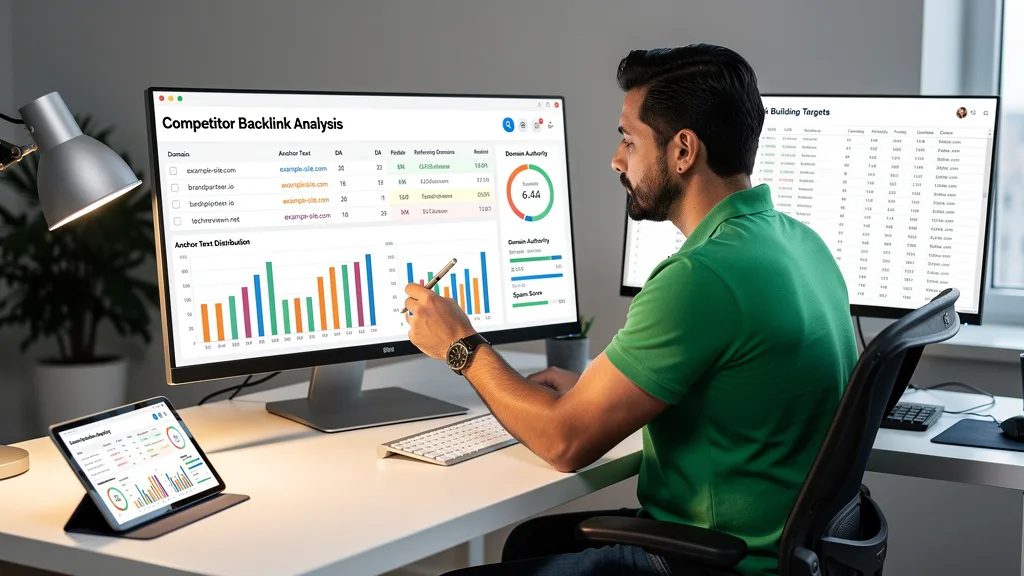
One of the most effective ways to find high-value link building opportunities is to analyze your competitors’ backlink profiles. By seeing who links to the top-ranking pages for your target keywords, you can create a roadmap of potential link prospects. This reverse-engineering approach helps you understand what it takes to rank in your niche.
Using tools like Ahrefs, Moz, or SEMrush, you can export a list of all the domains linking to your competitors. From there, you can filter for high-quality, relevant sites and identify the types of content that are earning them links. You can then target these same sites with your own outreach, whether by creating a superior piece of content or by finding a different angle to pitch.
Digital PR and Content-Driven Campaigns
Digital PR involves creating compelling stories, studies, or data-driven content that journalists and bloggers want to cover. Instead of asking for one link at a time, a successful digital PR campaign can generate dozens or even hundreds of high-authority backlinks from news outlets and top-tier blogs. This is a high-effort, high-reward strategy.
Effective campaigns often revolve around original research, unique data visualizations, or controversial opinions that spark conversation. The goal is to create something genuinely newsworthy. Once your content is live, your focus shifts to promoting it to relevant journalists, reporters, and influencers who are likely to cover your story and link back to the source.
Answering Queries on Q&A Platforms
Platforms like Quora and Reddit can be valuable for link building, although they require a careful approach. The primary goal should be to genuinely help users by providing expert answers to their questions. Within your detailed, helpful response, you can naturally include a link to a relevant resource on your website that provides more depth.
Most links from these platforms are ‘nofollow,’ meaning they don’t pass direct SEO authority. However, they can still drive significant referral traffic, build brand awareness, and demonstrate your expertise. A well-placed answer on a popular thread can send targeted visitors to your site for months or even years.
A Step-by-Step Approach to Securing Quality Backlinks
Securing high-quality backlinks requires a systematic and professional process. Simply finding opportunities is not enough; you must execute your outreach and follow-up with precision to convert prospects into live links. Following a structured approach ensures your efforts are efficient, scalable, and ultimately successful in boosting your site’s authority.
Step 1: Identify and Qualify Relevant Link Prospects
The first step is to build a targeted list of websites you want to acquire links from. Use the methods described earlier, such as competitor analysis and resource page discovery, to gather potential prospects. Once you have a raw list, you must qualify each prospect to ensure they meet your quality standards.
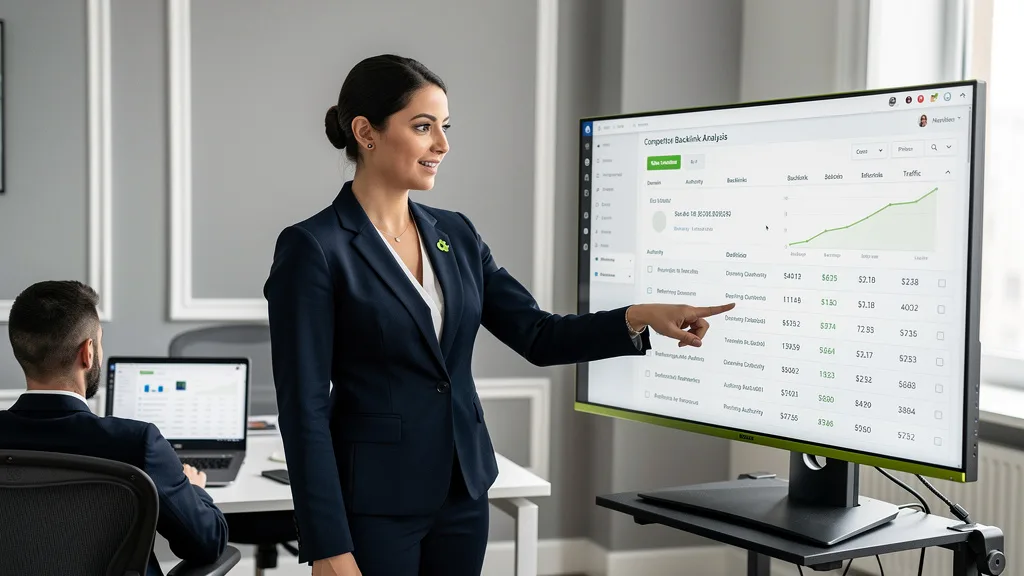
Evaluate each site based on metrics like Domain Authority (DA), relevance to your niche, and the quality of their existing content. Look for sites with a real audience and genuine engagement. A good link prospect is a site you would be proud to be associated with, regardless of the SEO benefit. Discard any sites that look spammy, have low authority, or are irrelevant to your industry.
Step 2: Craft Compelling and Personalized Outreach
Generic, templated outreach emails have a very low success rate. To stand out, your outreach must be personalized and compelling. Before contacting a prospect, take the time to understand their site and their audience. Reference a specific article they’ve written, compliment their work, and clearly explain why your proposed link or content would be valuable to *their* readers.
Your pitch should be concise and to the point. Clearly state who you are, what you are offering (e.g., a replacement for a broken link, a guest post idea), and how it benefits them. Make it as easy as possible for them to say yes by providing all the necessary information upfront, such as the exact location of a broken link or a fully fleshed-out content outline.
Step 3: Follow Up Professionally
Webmasters and editors are busy people. It’s common for a legitimate outreach email to get lost in a crowded inbox. A polite and professional follow-up can often be the difference between getting a response and being ignored. Wait about a week after your initial email before sending a gentle reminder.
Your follow-up should be brief and serve as a simple bump to your original message. Avoid being pushy or sending too many follow-ups, as this can damage your reputation. A single, well-timed follow-up is usually sufficient. If you still don’t hear back, it’s best to move on to other prospects.
Step 4: Track Your Link Building Results
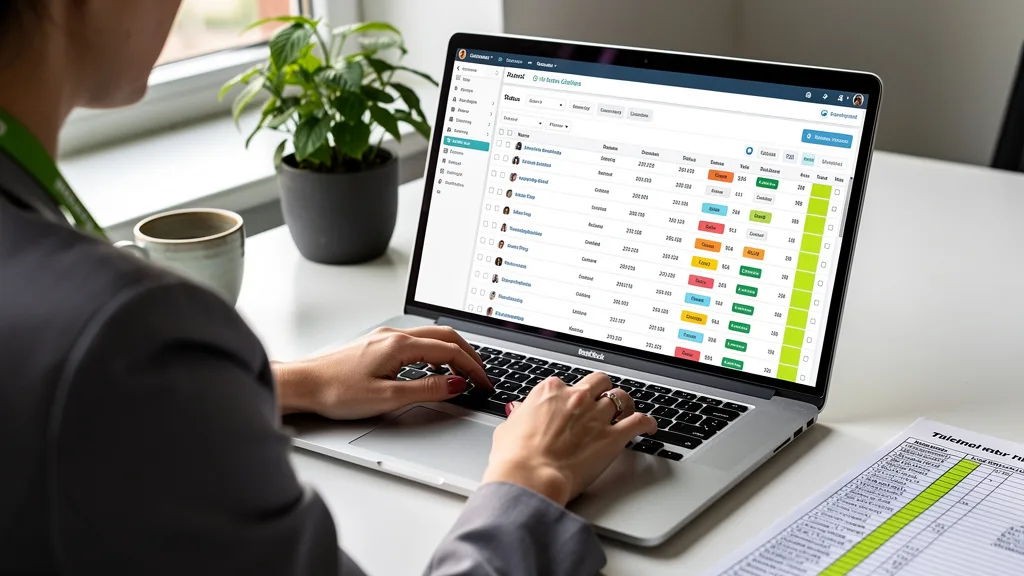
Effective link building is a data-driven process. You need to meticulously track your efforts to understand what’s working and to measure your return on investment. Use a spreadsheet or a dedicated tool to monitor your outreach, including who you’ve contacted, when you contacted them, and the status of each prospect.
Once a link goes live, your tracking doesn’t stop. Monitor your new backlinks to ensure they remain active and are indexed by Google. You should also track your keyword rankings, organic traffic, and referral traffic to see the direct impact of your link building campaign. This data will help you refine your strategy over time and focus on the tactics that deliver the best results.
Best Practices for an Effective Link Building Strategy
Building a successful link building strategy for 2026 requires adhering to best practices that prioritize long-term, sustainable growth. The era of spammy tactics and chasing sheer volume is over. Today’s most effective strategies are built on a foundation of quality, relevance, and genuine relationships.
Prioritize Quality and Relevance Over Sheer Quantity
The golden rule of modern link building is that quality and relevance trump quantity. A single backlink from a highly authoritative, topically relevant website is far more valuable than hundreds of links from low-quality, irrelevant directories or blog comments. Search engines are sophisticated enough to understand the context and authority of a link.
When evaluating a potential link opportunity, ask yourself: Is this website a respected authority in my industry? Would I want a link from this site even if Google didn’t exist? If the answer is yes, it’s likely a high-quality target. Focusing on acquiring authority backlinks ensures your efforts contribute positively to your site’s reputation and ranking potential, rather than putting it at risk.
“In 2026, a single, powerful link from a true authority site is worth more than a hundred low-quality links. Focus your resources on relevance and trust, not just volume. This is the cornerstone of any effective link building campaign that aims for lasting results.”
Create Link-Worthy Content People Want to Share
The most sustainable link building strategy is to create content so valuable that other people naturally want to link to it. This is known as earning links, rather than just building them. ‘Link-worthy’ content, often called link bait, can take many forms: original research, in-depth guides, free tools, or compelling data visualizations.
Before you create a piece of content, perform a content gap analysis to see what’s missing in your niche. What questions are your customers asking that no one has answered well? What data could you collect and share that would be useful to journalists and other bloggers? By creating the definitive resource on a topic, you make your content a natural magnet for backlinks.
Focus on Building Genuine Industry Relationships
At its core, link building is about relationships. Instead of viewing it as a transactional process, think of it as networking. Engage with other experts, editors, and influencers in your industry on social media and at virtual events. Share their content, leave thoughtful comments on their blogs, and build rapport over time.
When you have a genuine relationship with someone, asking for a link or proposing a collaboration becomes a much more natural and successful conversation. These relationships can lead to more than just a single link; they can open doors to guest posting opportunities, podcast appearances, and other valuable partnerships that build your brand and your backlink profile simultaneously.
What to Avoid: Common Black-Hat SEO Tactics
While it’s important to know what to do, it’s equally critical to know what to avoid. Engaging in black-hat SEO tactics can lead to severe penalties from Google, including a total loss of rankings. These risky shortcuts are not worth the potential long-term damage to your business.
- Buying Low-Quality Links: Avoid services that promise hundreds of links for a low price. These are almost always from spammy, low-authority sites that will harm your SEO.
- Excessive Link Exchanges: Systematically trading links with other websites (“I’ll link to you if you link to me”) is a violation of Google’s guidelines.
- Automated Link Building Software: Any software that automatically creates links across the web, such as by spamming blog comments or forums, is a clear black-hat tactic.
- Keyword Over-Optimization in Anchor Text: Using the same exact-match keyword for all your anchor text looks unnatural and can trigger a penalty. A healthy anchor text profile is diverse and includes branded, naked URL, and generic anchors.
- Using Low-Quality Private Blog Networks (PBNs): While expertly managed PBN backlinks from high-authority, footprint-free networks can be highly effective, using cheap, poorly maintained PBNs with no thematic relevance is a major risk.
Key Takeaways
Mastering link building is essential for anyone serious about SEO in 2026. This guide has provided a comprehensive look at what link building opportunities are and how to spot them. By focusing on a diverse set of strategies and adhering to best practices, you can build a powerful backlink profile that drives sustainable growth.
- Link building is a vote of confidence: Quality backlinks from relevant sites signal authority and trust to search engines, directly impacting your rankings and organic traffic.
- Diversity is key: A healthy backlink profile comes from a variety of sources, including guest posts, resource pages, broken link building, and digital PR.
- Quality over quantity: One link from a top-tier site like Forbes is worth more than thousands of low-quality directory links. Always prioritize relevance and authority.
- Process matters: A systematic approach involving prospecting, personalized outreach, and diligent tracking is crucial for converting opportunities into live links.
- Avoid black-hat tactics: Shortcuts like buying spammy links or using automated software will lead to penalties. Stick to ethical, white-hat strategies for long-term success.
Frequently Asked Questions
How much does link building typically cost in 2026?
The cost of link building in 2026 varies dramatically based on the tactic and quality. You could pay anywhere from $100 to over $1,000 for a single guest post placement on a high-authority site. Full-service agencies often charge monthly retainers from $2,000 to $10,000+. Alternatively, curated services like PBNs offer a more direct cost-per-link model. For example, our Starter PBN Package begins at just $15 per link, providing a cost-effective way to secure powerful links.
Ultimately, cost is tied to the effort and resources required. High-effort strategies like digital PR can cost tens of thousands for a single campaign but may yield dozens of top-tier links. The key is to align your budget with a strategy that provides the best ROI for your specific goals and competitive landscape.
How do you choose a reputable link building agency?
Choosing a reputable agency or provider involves careful vetting. Look for transparency in their process and ask for case studies or examples of links they have built for previous clients. A trustworthy partner will be open about their methods and will focus on quality and relevance rather than promising a specific number of links. Be wary of any service that guarantees rankings or uses language like “secret sauce.”
It’s crucial to ask the right questions before committing. Inquire about their process for qualifying link prospects, how they approach outreach, and how they measure success. Our guide on 10 questions to ask a PBN backlinks service provides a solid framework that can be adapted for any link building provider to ensure you’re partnering with a legitimate and effective team.
How long does it take to see results from a link building campaign?
The timeline for seeing results from link building can range from a few weeks to several months. The speed depends on several factors, including the authority of your starting domain, the competitiveness of your keywords, and the quality and velocity of the links you build. For highly competitive niches, it’s a marathon, not a sprint.
However, with powerful links, you can often see initial positive movement in rankings within 4 to 8 weeks. Consistent effort over 6 to 12 months is typically required to see significant and lasting impacts on organic traffic and revenue. It’s important to set realistic expectations and view link building as a long-term investment in your site’s authority.
What is the difference between internal and external links?
External links (or backlinks) are hyperlinks that point from one website to a completely different website. These are the primary focus of a link building campaign, as they act as third-party votes of confidence and pass authority between domains. They are crucial for improving your site’s ranking potential in the eyes of search engines.
Internal links, on the other hand, are hyperlinks that connect one page on your website to another page on the same website. While they don’t bring in external authority, they are vital for SEO. They help search engines understand your site structure, establish a hierarchy of information, and distribute link equity throughout your site. A strong internal linking strategy is a foundational element of on-page SEO.
Are nofollow links still valuable for SEO?
Yes, nofollow links are still valuable, although their role has evolved. In 2019, Google announced that the nofollow attribute would be treated as a ‘hint’ rather than a directive, meaning it might choose to pass authority through some nofollow links. While they are generally not as powerful as dofollow links for passing link equity, they serve several important purposes.
Nofollow links from high-traffic sites like Forbes, Wikipedia, or Reddit can drive significant referral traffic and build brand awareness. A natural backlink profile consists of a mix of both dofollow and nofollow links. An unnaturally high percentage of dofollow links can even look suspicious to search engines. Therefore, earning nofollow links is a healthy and beneficial part of a holistic SEO strategy.
Conclusion
Ultimately, understanding and acting on link building opportunities is not just an SEO task, it’s a fundamental business activity for anyone seeking to thrive online in 2026. By moving beyond basic tactics and embracing a strategic approach that prioritizes quality, relevance, and value, you can build a formidable backlink profile that drives rankings, traffic, and brand trust for years to come. The key is to start with a clear plan, whether you’re reclaiming brand mentions, creating link-worthy content, or leveraging a powerful, curated network to gain an edge.
If you’re operating in a competitive niche and need to see results faster than traditional outreach allows, our high-authority PBN backlinks can provide the power and safety you need. We’ve helped over 500 SEO professionals achieve their ranking goals with our footprint-free network. Ready to accelerate your link building? Get Started today and let’s build your authority.