
Are you struggling to break through the noise in a competitive digital landscape? Even with exceptional products or content, your brand can remain invisible without the authority that search engines demand. This is where strategic link acquisition comes into play, forming the backbone of any serious SEO campaign.
Link building services are professional offerings from agencies or freelancers that acquire hyperlinks from other websites to your own. The primary goal is to improve your site’s search engine rankings, drive referral traffic, and build brand authority. A quality service focuses on securing relevant, high-authority backlinks that signal to Google your site is a trustworthy and valuable resource, which is why why link building services matter for brand authority is a critical question for any growing business in 2026.
What Are Link Building Services and How Do They Work?
Link building services are specialized marketing services designed to increase the number and quality of inbound links to a website. At its core, this process involves identifying relevant, authoritative websites in your niche and securing a link from their site back to yours. These links act as votes of confidence, telling search engines like Google that your content is credible and valuable. The more high-quality votes you have, the higher your website is likely to rank for its target keywords.

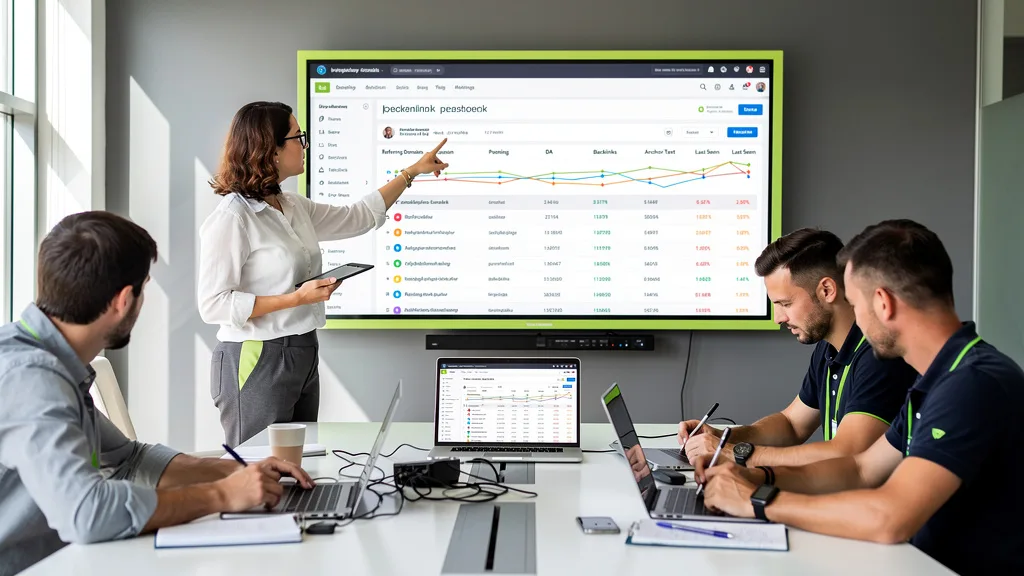
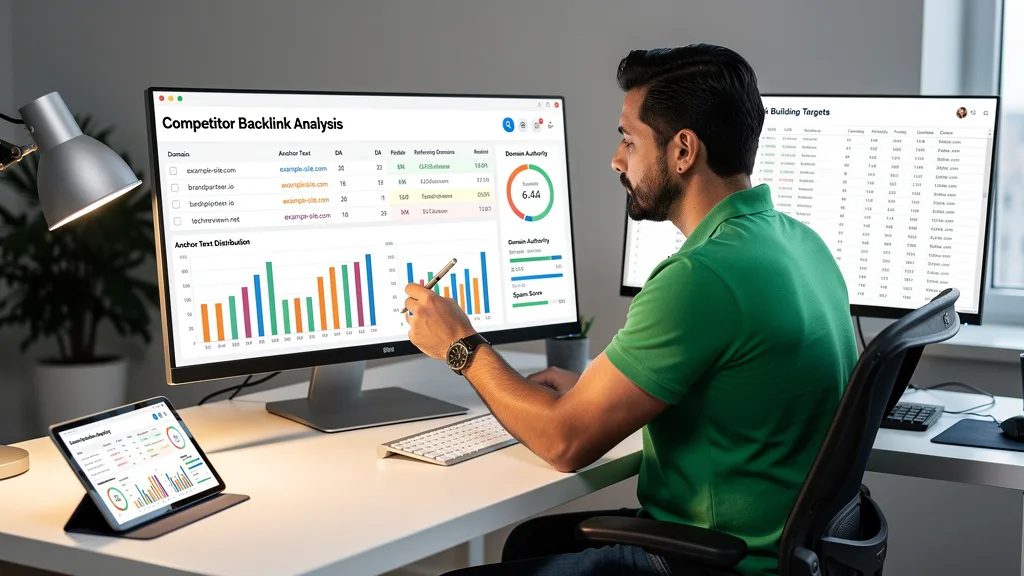
The workflow of a link building provider typically involves several key stages. It begins with a thorough analysis of your website’s current backlink profile and your competitors’ strategies. From there, the service provider develops a custom strategy, which may include tactics like guest posting on industry blogs, securing niche edits (adding your link to existing content), or leveraging powerful private blog networks (PBNs) for maximum impact in competitive sectors. The provider then handles all outreach, content creation, and placement, providing you with reports on the links acquired and their impact on your rankings.
Why Link Building Is Crucial for Your Brand’s Authority
In the digital ecosystem of 2026, brand authority is not just a vanity metric; it is a direct driver of revenue and customer trust. Authority is built on signals of expertise and credibility, and backlinks from respected websites are one of the most powerful signals you can generate. A strategic link building campaign does more than just boost SEO, it fundamentally shapes how both search engines and potential customers perceive your brand.
Boosting Search Engine Rankings and Visibility
The primary benefit of acquiring high-quality backlinks is the direct impact on your search engine rankings. Google’s algorithm views links from authoritative sites as endorsements. When a reputable site links to you, it passes a degree of its authority, often called ‘link equity,’ to your page. This process lifts your pages higher in search results for relevant queries, dramatically increasing your organic visibility.

Increased visibility means more organic traffic from users who are actively searching for the solutions you provide. For businesses in hyper-competitive niches like iGaming, finance, or CBD, appearing on the first page of Google is not a luxury, it is a necessity for survival. A consistent flow of authoritative links is the most reliable way to secure and maintain these top positions, ensuring a steady stream of potential customers finds your brand first.
Establishing Trust and Credibility in Your Niche
Beyond the technical SEO benefits, backlinks are a powerful tool for building trust. When potential customers see your brand mentioned or cited on well-known industry blogs, news sites, or resource pages, it lends you instant credibility. This aligns with Google’s emphasis on E-E-A-T (Experience, Expertise, Authoritativeness, and Trustworthiness). Each quality backlink serves as a third-party validation of your expertise.
This trust is essential for converting visitors into customers. A user who discovers your brand through a link on a site they already trust is far more likely to engage with your content and make a purchase. By securing links from the right places, you are not just building links; you are building a reputation as a leading voice in your field. This is particularly important for building what real authority looks like in 2026, where authenticity is paramount.
Driving Qualified Referral Traffic to Your Site
While the SEO benefits are significant, it is easy to forget that links are also meant to be clicked by people. A well-placed link on a highly relevant article can send a stream of qualified referral traffic directly to your website. This traffic is often highly valuable because it comes from an audience that is already interested in your topic or industry.
Unlike search traffic, which can have varied intent, referral traffic is pre-qualified. The user was reading about a related topic and chose to click your link for more information. These visitors tend to have higher engagement rates, lower bounce rates, and are often further along in the buying cycle. Therefore, a good link building strategy is also a direct traffic generation strategy, diversifying your acquisition channels beyond organic search.
In-House vs. Agency vs. Freelancers: Choosing Your Model
Once you decide to invest in link building, you must choose the right operational model. Your decision to build an in-house team, partner with a specialized agency, or hire freelancers will depend on your budget, goals, internal resources, and the level of expertise required. Each model has distinct advantages and disadvantages that you should carefully consider.
Building an In-House Link Building Team
Creating an in-house link building team gives you maximum control and alignment with your brand’s voice and goals. Your team will have a deep understanding of your products, services, and target audience, which can lead to highly relevant link placements. This model is ideal for large enterprises with significant marketing budgets and a long-term commitment to SEO.

However, the costs and challenges can be substantial. You need to hire, train, and manage experienced SEO professionals, which is expensive. You also need to invest in a suite of tools for prospecting, outreach, and tracking, which can cost thousands of dollars per month. For most businesses, especially those in competitive niches requiring advanced tactics, the expertise gap and high overhead make this model impractical.
Partnering with a Specialized Link Building Agency
Partnering with a specialized link building agency is often the most efficient and effective model for achieving rapid, scalable results. These agencies bring a wealth of experience, established processes, and access to a wide network of relationships. They already have the necessary tools and a team of experts who live and breathe link building, allowing them to execute complex campaigns from day one.
A specialized provider, especially one focused on high-authority links like PBNs, can deliver results in competitive industries where standard outreach falls short. While it requires a financial investment, the ROI is often much higher than trying to build a team from scratch. The key is to choose a reputable partner who offers transparency and focuses on quality over quantity. An agency can provide the strategic firepower needed to outrank established competitors.
Hiring Freelance Link Building Experts
Hiring freelancers can be a flexible and cost-effective option, particularly for businesses with smaller budgets or specific, short-term needs. You can find freelancers on various platforms who specialize in different aspects of link building, such as prospecting, outreach, or content creation. This model allows you to scale your efforts up or down as needed without the commitment of a full-time hire or a long-term agency contract.
The main drawback is the variability in quality and reliability. Vetting freelancers can be time-consuming, and managing multiple individuals can become a significant administrative burden. There’s also a risk of freelancers using outdated or risky tactics that could harm your site. This model works best when you have a clear, well-defined task and the internal expertise to manage the process and verify the quality of the work delivered.
How to Vet and Select the Right Link Building Partner
Choosing the right link building partner is one of the most critical marketing decisions you will make. A great partner can accelerate your growth, while a poor one can waste your budget and even get your website penalized by Google. Conducting thorough due diligence is essential to protect your investment and ensure you are working with a provider who uses safe, effective, and sustainable strategies.
“In 2026, vetting a link building service isn’t about asking if they can get you links. It’s about asking how they acquire links that build real, lasting brand authority. Look for transparency in their process and a focus on quality metrics that go beyond simple domain ratings. The best partners build assets, not just links.”

Assessing Their Link Acquisition Strategies
The first step is to understand exactly how a provider acquires links. Ask them to walk you through their process. Do they rely on mass, templated outreach, or is their approach personalized and strategic? Do they have access to an exclusive network of sites, or are they just placing links on publicly available lists? For competitive niches, you need a provider with an edge.
For example, a high-quality PBN service will emphasize its commitment to zero footprints, using unique hosting, varied domain registrars, and hand-written content to make each site in its network appear natural and independent. This is a far cry from cheap services that use recycled domains with spammy histories. A provider’s willingness to discuss their methods for ensuring link quality and safety is a strong indicator of their legitimacy. If you’re considering this advanced strategy, it’s vital to know the questions to ask before you buy a PBN backlinks service.
Reviewing Case Studies and Verifiable Results
Talk is cheap. A reputable link building service should be able to back up its claims with concrete evidence. Ask for case studies that are relevant to your industry and goals. These should include more than just vague promises; look for verifiable proof, such as ranking improvements for specific keywords, growth in organic traffic from Google Analytics, and examples of links they have secured.
Be skeptical of case studies that seem too good to be true or lack specific data. Ask if you can see anonymized examples of reports they provide to clients. A transparent partner will be proud to showcase their work and demonstrate a clear correlation between their efforts and their clients’ success. This evidence is your best assurance that they can deliver on their promises.
Key Red Flags to Watch for With a Provider
Just as important as knowing what to look for is knowing what to avoid. Certain warning signs can indicate a low-quality or even dangerous link building service. Being able to spot these red flags can save you from a costly mistake and potential Google penalties.
- Guaranteed Rankings: No legitimate SEO professional can guarantee a specific ranking. Search algorithms are too complex and constantly changing. Promises like “guaranteed #1 spot” are a major red flag.
- Extremely Low Prices: Quality link building takes time, expertise, and resources. If a service offers hundreds or thousands of links for a very low price, they are almost certainly using automated, spammy techniques that will harm your site.
- Lack of Transparency: A provider should be able to explain their general strategy. If they are secretive about their methods, calling them “proprietary,” they may be hiding black-hat tactics.
- Focus on Quantity Over Quality: The number of links is far less important than their quality and relevance. A provider obsessed with link volume is likely ignoring the metrics that actually matter.
- Use of Public Link Lists: If a provider offers you a public list of websites to choose from, run the other way. These sites are often part of low-quality networks that Google can easily identify and devalue.
Understanding Link Building Service Costs in 2026
The cost of link building services can vary dramatically based on the type of service, the quality of the links, and the provider’s pricing model. Understanding these factors is key to setting a realistic budget and evaluating whether a service offers good value for your investment. In 2026, the old adage “you get what you pay for” has never been more true in SEO.
Common Pricing Models Explained
Link building services typically use one of three main pricing models. The most common is a pay-per-link model, where you pay a fixed price for each link acquired. This is transparent and easy to budget for, common with PBN and niche edit services. Another popular model is a monthly retainer, where you pay a fixed fee each month for ongoing link building activities. This is common for comprehensive SEO agencies that bundle link building with other services. Finally, some providers offer project-based pricing for one-off campaigns with a specific goal, such as promoting a single piece of content.
Each model has its pros and cons. Pay-per-link offers clarity and control, but may lack a cohesive long-term strategy. A monthly retainer provides consistent effort but can sometimes lack transparency regarding the specific deliverables each month. Project-based pricing is great for defined needs but doesn’t support sustained, long-term authority growth. The right model depends on your business goals and budget.
Average Investment by Service Type
The price of a single backlink is determined by its quality, the authority of the linking domain, and the work required to acquire it. Below is a table outlining the average costs you can expect for different types of link building services in 2026. Prices for highly competitive niches like casino or finance may be at the higher end of these ranges.
| Service Type | Average Cost Per Link | Key Characteristics |
|---|---|---|
| Guest Posts | $150 – $1,000+ | Depends on site authority (DA/DR), traffic, and editorial fees. |
| Niche Edits / Link Insertions | $100 – $750+ | Placing a link in existing, relevant content. Price varies with site quality. |
| High-Authority PBN Links | $75 – $300+ | Powerful links from aged, authoritative domains in a private network. Highly effective for competitive niches. |
| Digital PR / HARO | $500 – $5,000+ (per placement) | High cost for links from top-tier news and media outlets. Often part of a retainer. |
| Basic Directory/Citation Links | $5 – $20 | Foundational for local SEO but offer very little authority for competitive keywords. |
The Latest Link Building Trends for 2026
The world of SEO is in constant flux, and link building strategies must evolve to remain effective. In 2026, several key trends are shaping how smart marketers and agencies approach link acquisition. Staying ahead of these trends is crucial for building a resilient and future-proof backlink profile that continues to drive results.
One of the most significant trends is the increased focus on topical authority over simple domain metrics. Google is getting better at understanding the contextual relevance between sites. A link from a lower DA site that is perfectly aligned with your niche can be more valuable than a link from a high DA general news site. This means successful strategies are now hyper-focused on finding sites that are not just authoritative, but topically relevant to the page being linked to.
Another trend is the strategic use of AI in the link building process. AI tools can now accelerate prospect research and even help personalize outreach emails at scale. However, the most successful services use AI as a tool to augment human expertise, not replace it. The final decision on a link’s quality and the relationship-building aspect of outreach still require a human touch. Finally, for the most competitive spaces, the use of powerful, well-managed PBN services continues to be a reliable trend for achieving rapid ranking improvements where traditional outreach methods fail to make an impact.
Key Takeaways
Navigating the world of link building can be complex, but understanding the core principles can empower you to make smart decisions for your brand. If you’re looking to grow your online presence in 2026, here are the most important points to remember:
- Authority is Non-Negotiable: High-quality backlinks are a primary driver of search engine rankings, brand trust, and qualified referral traffic.
- Model Matters: Choose between in-house, agency, or freelance models based on your budget, timeline, and internal expertise. For most, a specialized agency offers the best ROI.
- Vetting is Crucial: Always assess a provider’s strategies, demand verifiable results, and watch for red flags like guaranteed rankings or suspiciously low prices.
- Quality Over Quantity: A single, powerful link from a relevant, high-authority site is worth more than hundreds of low-quality, spammy links.
- Why link building services matter for brand authority comes down to this: they provide the third-party validation needed to establish your site as a leader in its field.
Frequently Asked Questions
Are link building services worth the investment for a new website?
Yes, they are arguably more important for a new website than for an established one. A new site starts with zero authority in the eyes of Google. A strategic initial investment in foundational link building can significantly shorten the time it takes to get indexed and start ranking for less competitive keywords. This initial push helps the site break out of the so-called “Google sandbox.”
For a new site, it is crucial to focus on high-quality, relevant links from the start to build a clean and authoritative backlink profile. Partnering with a service that understands link building for a new website ensures you build a strong foundation for long-term growth, rather than acquiring toxic links that will need to be disavowed later.
What are some effective alternatives to paid link building?
While paid services are often the fastest route, you can earn links organically. Creating exceptional, link-worthy content such as original research, comprehensive guides, or free tools can naturally attract links from other sites. This is known as creating “link bait.” Another method is to engage in digital PR, building relationships with journalists and bloggers in your niche so they think of you when they need a source.
However, these methods are often slow and unpredictable. They require significant upfront investment in content creation and promotion with no guarantee of results. For businesses needing reliable, scalable growth, paid link building services remain the most direct and efficient strategy to acquire the authority needed to compete.
How do you choose a service for specific industries like SaaS or e-commerce?
When choosing a service for a specific industry, look for a provider with demonstrated experience in that niche. For SaaS, you need a partner who understands how to build links to product pages, feature comparisons, and top-of-funnel blog content. They should be able to secure links from tech review sites and industry blogs.
For e-commerce, the focus might be on acquiring links to category and product pages, which can be challenging. A good provider will have strategies for this, such as product-focused guest posts or securing placements in gift guides. Always ask a potential partner for case studies from businesses similar to yours to verify they have the specialized expertise you need.
How long does it typically take to see results from link building?
The timeline for seeing results from link building can vary, but you should generally expect to see initial positive movement within 2 to 4 months. It takes time for Google to crawl new links, assess their value, and adjust your site’s rankings accordingly. The impact also depends on the authority of the links acquired and the competitiveness of your target keywords.
While some powerful links, like those from high-authority PBNs, can produce noticeable ranking shifts in a matter of weeks, a sustainable, long-term strategy requires patience. Consistent effort over a period of 6 to 12 months is typically when you will see the most significant and lasting improvements in organic traffic and revenue.
What is the difference between white-hat and black-hat link building?
White-hat link building refers to strategies that comply with Google’s webmaster guidelines. These tactics focus on creating value for users and earning links based on merit, such as creating great content and building genuine relationships. While slower, these methods are sustainable and carry a low risk of penalties.
Black-hat link building, on the other hand, uses tactics that try to manipulate search engine rankings in violation of those guidelines. This includes things like buying thousands of spammy links, using automated link farms, or keyword stuffing. While they can sometimes produce short-term gains, these methods carry a very high risk of a Google penalty, which can get your site de-indexed entirely.
Conclusion
In 2026, understanding why link building services matter for brand authority is no longer optional; it’s essential for any business serious about growth. Strategic link acquisition is the most powerful lever you can pull to increase search visibility, establish credibility, and drive qualified traffic. By choosing the right partner and focusing on high-quality, relevant links, you are not just ticking an SEO box, you are building a defensible competitive advantage and a brand that both customers and search engines trust. The next step is to move from understanding to action.
Ready to build real authority and dominate the search results in your niche? Our team specializes in delivering high-impact PBN backlinks that move the needle in competitive industries. We provide the power and precision you need to achieve your ranking goals. Get Started today and let’s build your brand’s authority together.