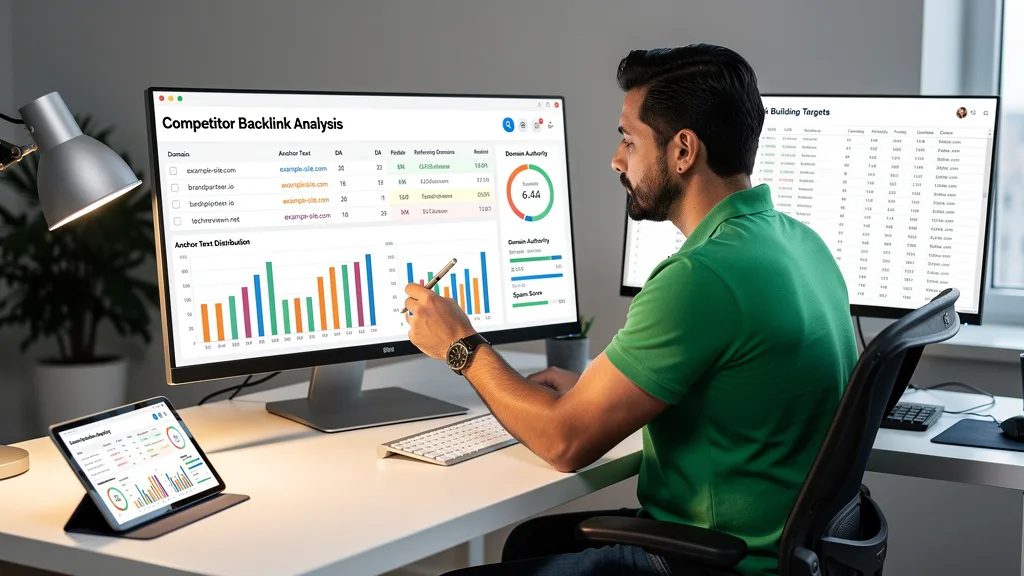

Are your content links helping or hurting your search rankings in 2026? A strategic approach to linking is more critical than ever, separating top-ranking content from that which gets lost in the digital noise. Mastering how you connect your content to the wider web is a fundamental pillar of modern SEO.
The best practices for including links in your content 2026 involve a balanced strategy. Prioritize creating a strong internal link structure to guide users and search engines. When linking externally, cite only authoritative, relevant sources and use descriptive anchor text instead of generic phrases. Finally, focus on acquiring high-quality backlinks from trusted domains to build your site’s authority and drive significant ranking improvements.
Why Strategic Linking in Content Matters in 2026
In 2026, strategic linking is not just an SEO tactic; it’s a signal of quality and authority to both users and search engines. Google’s algorithms have evolved to prioritize content that provides comprehensive value, and links are the threads that weave this value together. They act as citations, validating your claims and connecting your content to the broader conversation within your niche. A well-placed link can significantly enhance user experience by providing readers with a path to deeper information.
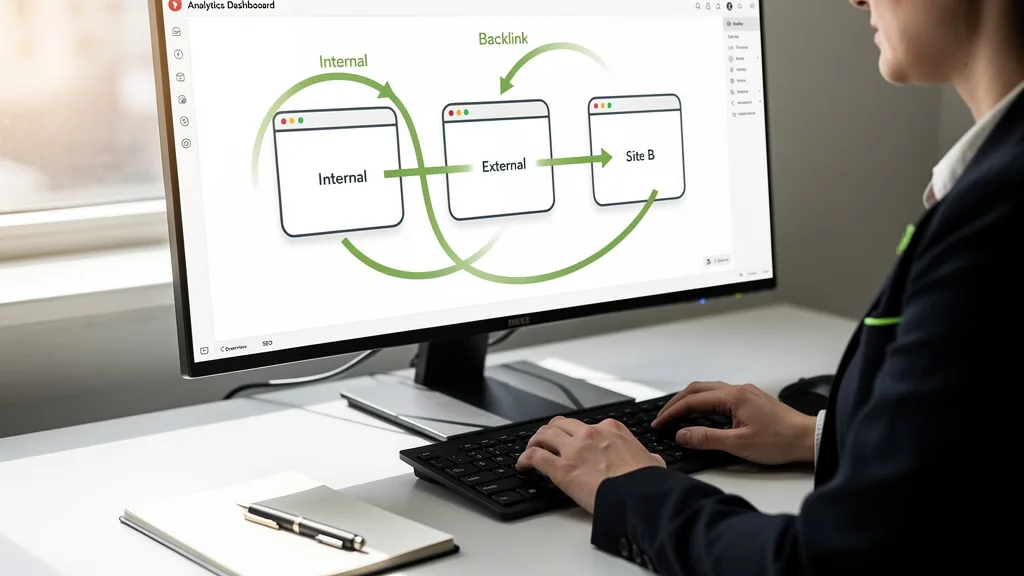
From an SEO perspective, links are the currency of the web. Internal links help search engines discover your content and understand the architecture of your site, distributing authority across your pages. External links to reputable sources demonstrate that your content is well-researched and trustworthy. Most importantly, backlinks from other authoritative sites act as powerful votes of confidence, directly influencing your ability to rank for competitive keywords, especially in high-stakes industries like finance, iGaming, and crypto.
“In 2026, think of every link as a relationship. Linking to a quality source enhances your reputation, while receiving a link from an authoritative site is the ultimate endorsement. The quality of these relationships directly dictates your content’s success.”
Link Inclusion Dos: Best Practices for Success
Adhering to proven best practices is essential for creating a link profile that supports your SEO goals and provides a seamless user experience. The right approach can turn your content into a powerful asset that builds authority, engages readers, and drives organic traffic. Focus on quality, relevance, and user intent with every link you place.
Prioritize High-Quality Internal Linking for SEO
Internal linking is one of the most underutilized yet powerful SEO strategies. By linking to other relevant pages on your own website, you create a logical pathway for users and search engine crawlers. This helps distribute page authority, also known as “link juice,” throughout your site, which can boost the ranking potential of other pages. A strong internal link structure also reduces bounce rates by encouraging visitors to explore more of your content.

When implementing internal links, use descriptive anchor text that gives context about the destination page. For example, instead of linking the word “here,” link a phrase like “our complete guide to PBN links.” This helps both users and search engines understand the topic of the linked page before clicking. Strategically linking from your high-authority pages to newer or less-visible ones can give them a much-needed SEO lift. For more detail, consider reviewing a guide on how many links to include in a blog post to find the right balance.
Cite Authoritative and Relevant External Sources
Linking out to high-authority, relevant external sources is a sign of a well-researched, credible piece of content. It shows that you have done your homework and are providing comprehensive information for your readers. This practice, known as outbound linking, can build trust with your audience and may even have indirect SEO benefits by associating your site with other established players in your field.
The key is to be selective. Only link to non-competing websites that are widely recognized as authorities. Think major industry publications, research institutions, or official documentation. This demonstrates confidence in your own content and positions you as a helpful resource hub. Following 40+ content marketing best practices includes citing sources properly to build credibility.
Write Clear and Descriptive Anchor Text
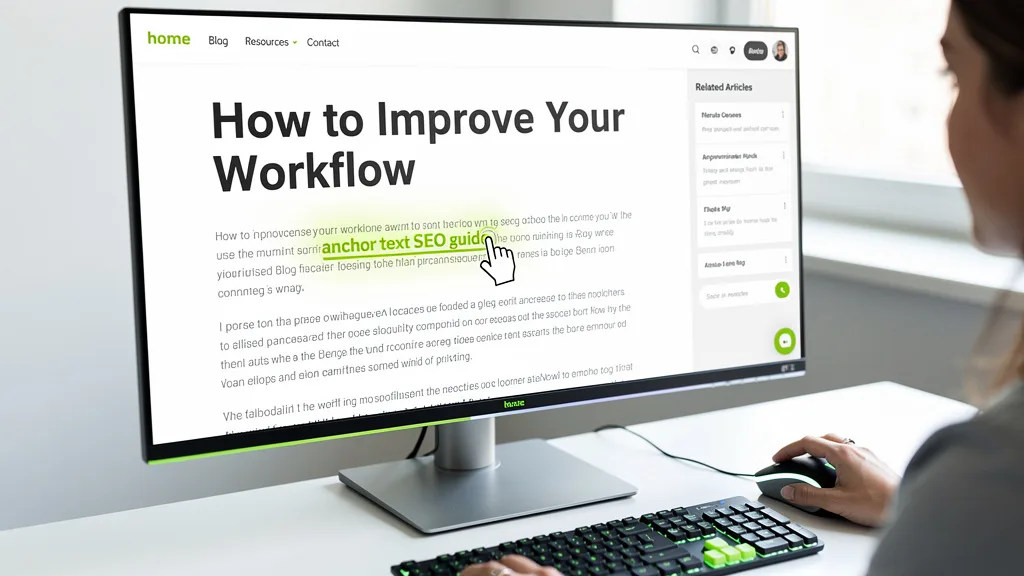
Anchor text is the clickable text in a hyperlink. Using clear and descriptive anchor text is crucial for both user experience and SEO. It tells readers and search engines exactly what to expect from the destination page. Vague anchors like “click here” or “read more” provide zero contextual information and are a missed opportunity for reinforcing the topic of the linked page.
Good anchor text is concise and relevant to the page it’s linking to. For instance, if you are linking to an article about link building strategies, an anchor like “effective link building strategies for 2026” is far more valuable than “this article.” This practice helps search engines better understand your content and can improve your chances of ranking for related keywords.
Enhance User Experience with Contextual Links
The best links are those that feel natural and helpful to the reader. They should be placed contextually within the content where a user might logically want more information or a deeper explanation of a concept. A well-placed link should answer a potential question or provide a next step in the reader’s journey, making your content more engaging and valuable.
Avoid forcing links where they don’t belong. The primary goal should always be to enhance the reader’s experience. If a link doesn’t add value or clarify a point, it’s better to leave it out. Contextual links improve time on page and other engagement metrics, which are important signals for search engines in 2026.
Ensure Links Open in a New Tab When Appropriate
A simple but important technical best practice is controlling how your links open. As a general rule, links to external websites should always open in a new browser tab or window. This is achieved by adding the `target=”_blank”` attribute to your link’s HTML. This practice keeps visitors on your site, allowing them to easily return to your content after they have viewed the external resource.
Conversely, internal links can typically open in the same tab. This creates a seamless navigation experience as users move through your own website. Implementing this simple rule prevents you from unintentionally directing your hard-earned traffic away from your site while still providing valuable external resources to your audience.
Link Inclusion Don’ts: Common Mistakes to Avoid
Just as important as knowing what to do is knowing what to avoid. Certain linking practices can actively harm your site’s SEO, damage user trust, and even lead to penalties from search engines. Steering clear of these common mistakes is essential for building a sustainable and effective content strategy.
Avoid Over-Optimizing Anchor Text with Keywords
While descriptive anchor text is good, over-optimizing it is not. This means repeatedly using the exact same keyword-stuffed anchor text for multiple links pointing to the same page. This practice, known as anchor text stuffing, looks unnatural to both users and search engines and can be flagged as a manipulative SEO tactic.
A natural link profile has a diverse range of anchor texts. Use variations of your target keyword, branded anchors (your site or brand name), and even some generic anchors where appropriate. The goal is to create a profile that looks organic and user-focused, not one that is clearly engineered to manipulate search rankings. our complete guide to PBN links.
Never Link to Low-Quality or Spammy Websites
The websites you link to reflect on your own brand. Linking to low-quality, spammy, or untrustworthy sites can severely damage your credibility and may even result in a search engine penalty. Your outbound links are a signal of the company you keep, so it’s crucial to be highly selective.
Always vet external websites before linking to them. Check their content quality, domain authority, and general reputation. This is especially important when acquiring backlinks. You must ensure the links pointing to your site are from clean, authoritative sources. Understanding if PBN links are safe, for example, depends entirely on the quality and management of the network they come from.
Steer Clear of Excessive or Cluttered Linking
More is not always better when it comes to links. A page cluttered with too many links can be overwhelming and distracting for readers. It can also dilute the authority passed through each link. Every link on a page shares a portion of that page’s total “link equity,” so having hundreds of links can render each one less impactful.
Focus on quality over quantity. Include only the most relevant and valuable links that genuinely serve the reader. A handful of well-placed, strategic links is far more effective than a page littered with dozens of low-value ones. This keeps the content clean, focused, and user-friendly.
Do Not Use Generic Phrases Like ‘Click Here’
Using generic anchor text like “click here,” “learn more,” or “read this” is a significant missed opportunity. These phrases provide no contextual information to search engines about the linked page’s content. They also fail to entice the user, as they don’t explain what benefit or information they will get by clicking.
This practice is a relic of the early web and has no place in a modern content strategy. Always opt for descriptive, compelling anchor text that accurately reflects the topic of the destination page. This simple change can make a noticeable difference in both your SEO performance and user engagement.
Regularly Check for and Fix Broken Links
Broken links, which lead to 404 error pages, create a frustrating user experience and signal to search engines that your site may be outdated or poorly maintained. Over time, pages you link to can be moved or deleted, leading to what is known as “link rot.” Regularly auditing your site for broken links is a crucial aspect of website maintenance.
Use tools like Ahrefs, SEMrush, or Screaming Frog to crawl your site and identify any broken internal or external links. Once found, you should either update the link to its new location or remove it if a suitable replacement cannot be found. This simple housekeeping task helps maintain your site’s quality and professionalism.
Understanding Different Types of Links in Content
To implement a successful linking strategy, you must first understand the primary types of links and the distinct role each one plays. These categories are internal links, external links, and backlinks. Each serves a different purpose in the broader ecosystem of your website’s authority and user journey.
Internal Links: Connecting Your Own Content
Internal links are hyperlinks that point from one page on your domain to another page on the same domain. Their primary purpose is to help users and search engines navigate your website. They establish a clear site architecture, pass authority between your pages, and can significantly increase the time users spend on your site by guiding them to related content.

For example, in a blog post about SEO basics, you might include an internal link to a more detailed article you’ve written about keyword research. This helps the reader find more information while signaling to Google that you have a cluster of content around the topic of SEO, establishing your topical authority.
External Links: Citing Outside Resources
External links, or outbound links, are hyperlinks that point from your website to a page on a different domain. These are used to cite sources, provide additional context, or recommend a tool or resource. When you link to a high-quality, authoritative website, you are essentially telling your users and search engines that you trust that source.
This practice can enhance your content’s credibility and trustworthiness. For instance, if you are writing about a statistical trend, linking to the original research study on a university or government website validates your data. The key is to link to reputable, non-competing sites that add value to your reader’s experience.
Backlinks: Links from Other Sites to Yours
Backlinks, also known as inbound links, are hyperlinks from other websites that point to your site. These are arguably the most important type of link for SEO. Search engines view backlinks as votes of confidence or recommendations. A backlink from a highly authoritative and relevant website can pass significant authority to your page, dramatically improving its ability to rank in search results.
The quality of backlinks is paramount. A single link from a major industry news site is worth more than hundreds of links from low-quality directories or spam blogs. For competitive niches, acquiring powerful backlinks is often the deciding factor in ranking success. This is why many SEO professionals buy PBN links; a well-managed Private Blog Network (PBN) provides high-authority backlinks that can move the needle quickly and safely.
Tools to Manage and Audit Your Content Links
Effectively managing your website’s link profile requires the right set of tools. Manual checks are impractical for any site beyond a few pages. These software platforms help you monitor backlinks, find broken links, analyze anchor text, and discover new linking opportunities, ensuring your strategy remains robust and effective in 2026.
Using a combination of these tools provides a comprehensive view of your link health. For instance, you might use Screaming Frog for a quick technical audit to find broken links, Google Search Console to see how Google views your link profile, and Ahrefs for deep competitive analysis and backlink monitoring. Regular audits are key to maintaining a healthy and powerful link profile.
| Tool | Primary Use Case | Best For |
|---|---|---|
| Ahrefs | Backlink analysis and competitor research | In-depth analysis of any website’s backlink profile, anchor text, and top linked pages. |
| SEMrush | All-in-one SEO toolkit | Comprehensive site audits, backlink gap analysis, and tracking link building campaigns. |
| Screaming Frog SEO Spider | Technical site crawling | Quickly finding broken links (404s), auditing redirects, and analyzing page link structures. |
| Google Search Console | Monitoring site performance in Google | Viewing your top linked pages, internal link structure, and sites that link to you the most. |
Key Takeaways
Mastering the art and science of linking is crucial for content success in 2026. To ensure your strategy is effective, focus on these core principles that balance user experience with SEO performance. Here are the most important takeaways to implement immediately:
- Prioritize Quality Over Quantity: A few strategic, high-authority links are far more valuable than dozens of low-quality ones. This applies to internal, external, and especially backlinks.
- Anchor Text Matters: Always use descriptive, relevant anchor text. Avoid generic phrases like “click here” to provide context for both users and search engines.
- Build a Strong Internal Link Structure: Connect your content logically to guide users and spread authority throughout your site. This is a powerful, controllable SEO lever.
- Be Selective with External Links: Only link out to reputable, authoritative, and non-competing websites to build trust and credibility.
- Acquire Powerful Backlinks: Backlinks remain a top ranking factor. For competitive niches, strategically acquiring links from high-DA sources is essential for growth.
- Conduct Regular Audits: Routinely check for and fix broken links to maintain a healthy site and positive user experience. Use professional tools to monitor your link profile.
Frequently Asked Questions
Here are answers to some of the most common questions about linking in content for 2026.
Are backlinks still relevant for SEO in 2026?
Yes, backlinks are not only relevant but remain one of the most powerful ranking factors for Google and other search engines in 2026. However, the emphasis has shifted dramatically from quantity to quality. Search engines are now highly sophisticated at evaluating the authority, relevance, and context of a link. A single backlink from a highly trusted, niche-relevant site can have a greater impact than hundreds of low-quality links.
Modern SEO success depends on earning or building a profile of high-quality backlinks that appear natural and diverse. They act as third-party endorsements that signal your content’s credibility and importance. For businesses in competitive markets, a strategic backlink acquisition plan is not optional; it’s essential for achieving and maintaining top rankings.
What are the most effective link building strategies for 2026?
The most effective link building strategies for 2026 are multifaceted and prioritize quality. Creating exceptional, link-worthy content (e.g., original research, comprehensive guides, free tools) is the foundation. This content can then be promoted through digital PR and outreach to journalists and bloggers. Another highly effective, albeit advanced, strategy is the strategic use of a Private Blog Network (PBN).
For those in hyper-competitive niches, PBNs offer a direct path to acquiring high-authority links that can produce rapid ranking improvements. When done correctly with aged domains, unique hosting, and quality content, it’s a powerful method. Other strategies include guest posting on authoritative sites, broken link building, and creating valuable resource pages. A successful approach often combines several of these tactics, like asking the right questions before you buy a PBN service.
What are the best practices for LinkedIn content specifically?
LinkedIn operates as a professional social network, so linking best practices differ slightly from a standard blog post. The algorithm tends to favor content that keeps users on the platform. Therefore, a common strategy is to place your external link in the first comment of your post rather than in the main body. You can then reference this in your post with a phrase like “Link in comments.”
When you do include links, ensure they are highly relevant and add significant value to the professional discussion. Use relevant hashtags to increase visibility, engage with comments to boost your post’s reach, and focus on creating content that sparks conversation. These align with broader 2026 Social Media Best Practices that prioritize engagement over simple link drops.
What is the 80/20 rule in the context of SEO?
The 80/20 rule, also known as the Pareto Principle, suggests that roughly 80% of your results come from 20% of your efforts. In SEO, this is a powerful concept. It means a small fraction of your pages will likely generate the vast majority of your organic traffic. Likewise, a small percentage of your backlinks will provide most of your site’s authority.
Applying this rule means you should identify and double down on what’s working. Find the 20% of your keywords that drive 80% of conversions. Identify the 20% of your backlinks that are passing the most equity and try to acquire more like them. By focusing your resources on these high-impact activities, you can achieve more significant results with greater efficiency instead of spreading your efforts too thinly.
Conclusion
In 2026, a thoughtful and strategic approach to linking is non-negotiable for anyone serious about content marketing and SEO. By following the best practices of prioritizing quality, using descriptive anchors, building a strong internal structure, and acquiring powerful backlinks, you create a better experience for your users and send strong positive signals to search engines. Avoiding common pitfalls like over-optimization and linking to spammy sites protects your brand’s reputation and ensures long-term, sustainable growth. Ultimately, every link should serve a purpose: to add value, build authority, and guide your audience.
Ready to elevate your backlink profile with links that deliver real ranking power? Our high-DA PBN backlinks are built on hand-selected, aged domains to provide the authority you need to dominate competitive niches. For SEO professionals and agencies who demand results, this is your next step. Get Started
If you want help turning this into a concrete plan for your site or team, take the next step below to apply Best Practices for Including Links in Your Content 2026 with confidence.
Ready to act on Best Practices for Including Links in Your Content 2026? Get Started — tell us your goal, and we will help you pick the highest-leverage next step so you are not guessing alone.