Budget-conscious SEOs searching for ways to buy PBN backlinks cheap face a dilemma that more expensive buyers do not: the lower the price, the harder it is to tell the difference between a legitimate entry-level service and a worthless link farm. This guide resolves that problem directly. It maps the three price tiers of the PBN market in 2026, explains what minimum quality standards each tier should deliver, and answers the question that most guides avoid — why cheap does not automatically mean bad. It also gives buyers a five-point test for identifying cheap PBN sellers who are genuinely trustworthy, and three clear signs that a low-cost offer is a trap.
Table of Contents
- Why Cheap Has a Bad Reputation in PBN Link Building
- The Three Price Tiers Explained
- Minimum Quality Standards at Every Price Point
- 5 Signs a Cheap PBN Seller Is Actually Trustworthy
- 3 Signs the Deal Is a Trap
- Where Cheap PBN Links Actually Perform Well
- FAQ
Key Takeaways
- Cheap is a relative term — a £20 link from a maintained DR25 domain can outperform a £10 link from an inflated DR40 site with zero traffic.
- Minimum standards exist at every price point: even entry-level placements should have verifiable organic traffic and human-written content.
- Five behaviours separate trustworthy cheap sellers from dangerous ones — transparency about domain metrics being the most important.
- Cheap PBN links perform best in Tier 2 campaigns and low-competition niches where the cost-to-impact ratio is most favourable.
Why Cheap Has a Bad Reputation in PBN Link Building
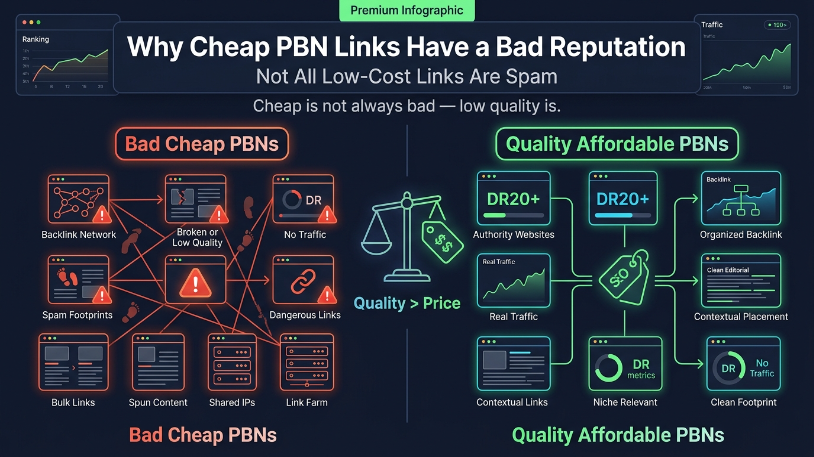
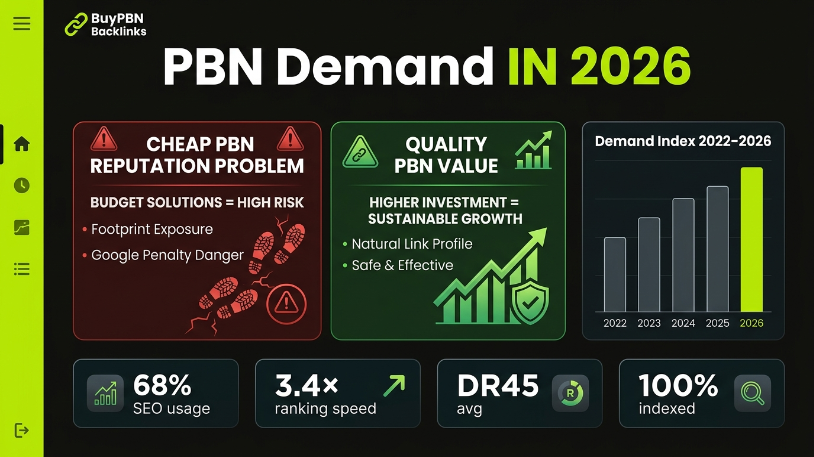
The phrase buy PBN backlinks cheap has a bad reputation for one simple reason: the worst links in the market are almost always the cheapest ones. Bulk automated networks, spun content, shared-IP hosting farms these services price low because they cost almost nothing to operate, and they deliver results to match. But the reputation of the bottom of the market has unfairly tainted the entire lower price range.
There is a meaningful difference between a £7 bulk order on a link farm and a £20 placement on a carefully maintained DR20 domain with real organic traffic. Both are cheap by the standards of premium link building. Only one of them is worthless. The mistake most first-time buyers make is treating price as a proxy for quality. It is a signal, not a verdict.
The Three Price Tiers Explained
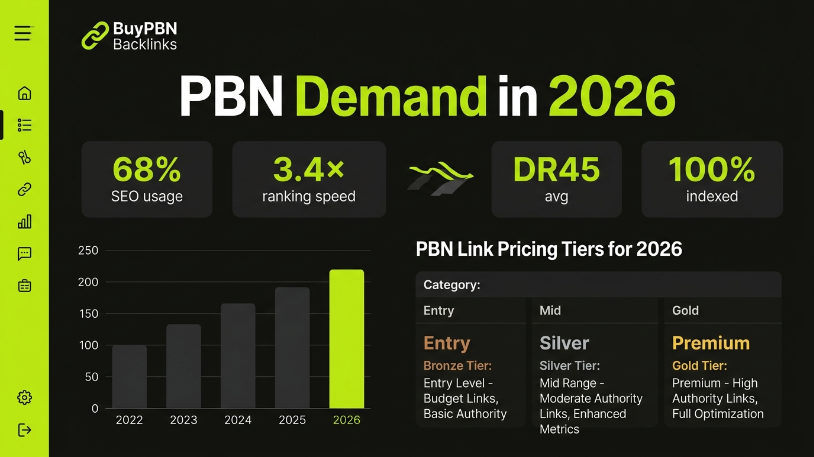
Tier 1 — Entry Level: £8–£25 per link
This range includes everything from outright junk to genuine entry-level placements. Legitimate Tier 1 includes DR15–DR25 domains with at least some verifiable organic traffic, manually written or edited content of 300–500 words, and basic niche relevance. Best use: Tier 2 link building, low-competition local SEO, testing page-level responsiveness before committing to higher-cost placements.
Tier 2 — Mid Range: £25–£60 per link
The most cost-effective range for direct money site campaigns. At this price point, a legitimate seller is covering real domain acquisition and maintenance costs, and the quality floor rises accordingly. Expect DR20–DR40 with 50–500 monthly organic visitors, original content of 500–800 words, genuine topical relevance, and an indexation verification policy.
Tier 3 — Premium: £60–£200+ per link
Where quality becomes largely predictable. DR30–DR60+ with consistent organic traffic, long-form niche-specific content, aged domains with real editorial history, and explicit link replacement guarantees. Best for competitive niches, national campaigns, and money site authority building at scale.
| Tier | Price Range | DR Range | Organic Traffic | Best For |
|---|---|---|---|---|
| Entry | £8–£25 | 15–25 | Minimal | Tier 2, low-comp niches |
| Mid | £25–£60 | 20–40 | 50–500/mo | Direct money site campaigns |
| Premium | £60–£200+ | 30–60+ | Consistent | Competitive and national |
Minimum Quality Standards at Every Price Point
Regardless of which tier you buy from, some standards are non-negotiable. The page must be indexed. The domain must have a real history. The content must be readable. The link must be contextual. These apply at every price point without exception. What legitimately varies by tier is organic traffic volume, content length, and topical precision — not the fundamentals.
5 Signs a Cheap PBN Seller Is Actually Trustworthy
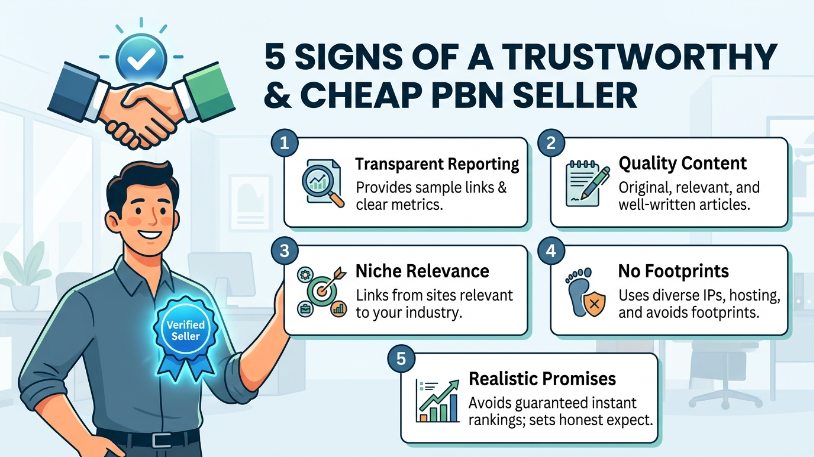
Sign 1: They Show You the Domain Before Payment
A seller who sends you the actual domain URL and invites you to check it in Ahrefs or Semrush before paying has nothing to hide. This is the single most reliable trust signal in the low-cost market.
Sign 2: They Acknowledge the Risk Honestly
The best cheap sellers do not pretend their links are 100% safe or Google-approved. They understand they are operating in a risk-bearing market and they say so plainly. Blind confidence — our links never get deindexed — is a red flag, not a reassurance.
Sign 3: They Have a Replacement Policy
A seller who will replace deindexed or removed links is betting on their own quality. Ask for the replacement policy in writing before the first order. Even a simple we replace deindexed links within 30 days is a meaningful commitment.
Sign 4: They Specialise
A cheap seller who focuses on a specific niche is more likely to have built a network with genuine topical coherence than one advertising all niches, any topic. Specialisation costs more to build but produces more relevant placements.
Sign 5: They Have Real Reviews From Real Buyers
Forum posts, Trustpilot entries, and independent testimonials from buyers who have tracked ranking results are worth more than any sales page claim. Look for specifics — rankings improved for a keyword type within a timeframe — rather than generic praise.
3 Signs the Deal Is a Trap
Trap Sign 1: The Price Is Below £8 Per Link
The maths of running a genuine PBN do not work below this floor. Domain renewals alone run £8–£15 per domain per year. Add hosting, content creation, and indexation tools and a legitimate per-link cost cannot fall below roughly £8–£10 even for the most efficiently run entry-level operation.
Trap Sign 2: No Verifiable Metrics on Any Domain
A seller who refuses to share a single verifiable domain URL is hiding because the metrics do not exist, do not match what they have quoted, or actively reveal the problem. This is the most common trait of bulk automated networks.
Trap Sign 3: Delivery in Under 12 Hours
Every legitimate PBN placement involves a human writing or placing content, uploading it, formatting the post, and verifying the link. A seller offering delivery in two hours is either auto-posting scraped content or dropping your link into a pre-existing post with no new content at all.
Where Cheap PBN Links Actually Perform Well
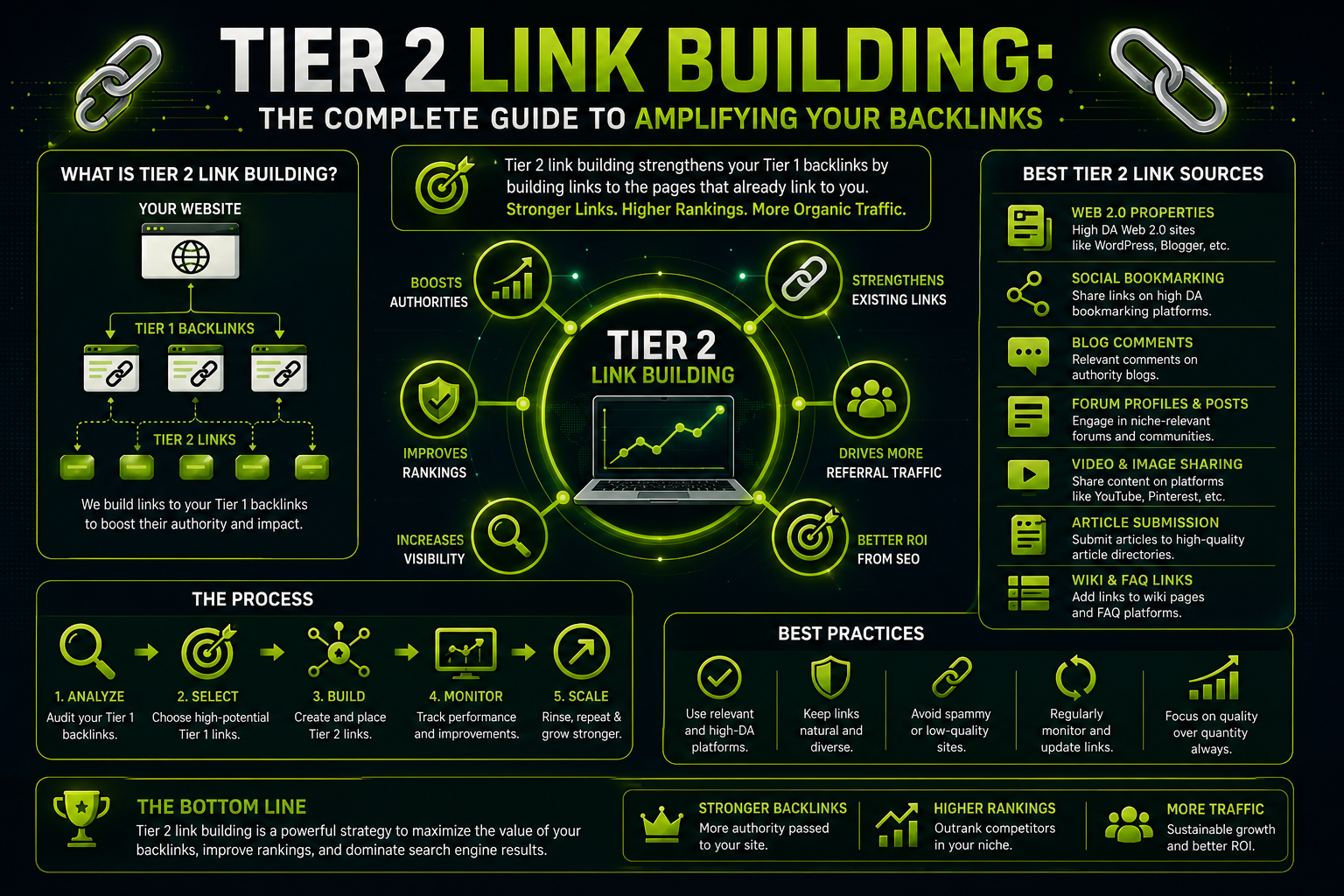
Cheap PBN links are genuinely effective in the right contexts. For the full picture on how to evaluate any PBN purchase, see our complete buy PBN links guide. For Tier 2 link building, pointing entry-level links at your existing editorial backlinks rather than your money site amplifies their authority safely. In low-competition local SEO, the authority required to move rankings is modest and a handful of entry-level placements can produce visible movement. For keyword testing before scaling, a small number of cheap placements reveals whether a page has the on-page fundamentals to respond to link signals — cheaply and quickly.
FAQ
How cheap is too cheap for PBN backlinks?
Below roughly £8 per link, the economics of a genuine PBN operation do not hold. Domain renewals, hosting, content, and indexation all have real costs. Links priced below this floor are almost certainly from automated networks with no quality control. Treat sub-£8 offers as zero-value placements regardless of the metrics claimed.
Can cheap PBN links hurt my site?
Yes, if they come from an easily detectable automated network with identical themes, shared IP blocks, and spun content. The risk is not in the price itself — it is in the quality of the underlying network. A cheap link from a well-maintained low-DR domain is safer than an expensive link from an obviously artificial high-DR site with no traffic.
Is it worth buying cheap PBN links for a new website?
With caution. A brand new site is under closer scrutiny from Google systems. For new sites, most practitioners recommend building some organic footprint first and using PBN links once there is something to amplify.
What is the minimum DR I should accept for a cheap PBN link?
DR15 is a reasonable floor, but only when accompanied by some organic traffic. A DR15 domain with 30 to 50 monthly organic visitors is a more valuable placement than a DR25 domain with zero traffic. Do not let DR be the only filter — it is the easiest metric to inflate.
Do cheap PBN links work for competitive keywords?
For directly competitive keywords, cheap PBN links are rarely sufficient as a standalone strategy. They can contribute as part of a diversified link profile alongside editorial links and niche edits — but in genuinely competitive SERPs, entry-level PBN placements will not move the needle on their own. Use them in Tier 2 or as supplementary volume.
Conclusion
Buying cheap PBN backlinks without getting burned is not about luck. It is about knowing exactly what the price you are paying should and should not buy you, and being willing to verify those expectations before any money changes hands. The five trust signals in this guide give you a practical framework for separating the legitimate cheap sellers from the ones who are simply selling the illusion of link building at the lowest possible cost. For a broader strategic view of how paid links fit into SEO, see our buy backlinks for SEO guide.
For a curated selection of cheap PBN backlinks built on maintained domains with verified metrics and transparent pricing across all three tiers, explore the options available and apply the standards in this guide before buying.
About the Author
Louis Dobbler is a PBN link building strategist and off-page SEO specialist with deep expertise in private blog network construction, domain acquisition, and authority link campaigns. At BuyPBNBacklinks, Louis oversees network quality, domain vetting, and campaign strategy — ensuring every PBN backlink placed meets the highest standards for authority, footprint safety, and long-term SEO performance.

Louis Dobbler is a PBN link building strategist and off page SEO specialist with deep expertise in private blog network construction, domain acquisition, and authority link campaigns. With years of experience working across competitive verticals including iGaming, crypto, finance, and CBD, Louis has helped hundreds of SEO agencies and affiliate marketers engineer rankings that hold through every Google core update.
At BuyPBNBacklinks, Louis oversees network quality, domain vetting, and campaign strategy ensuring every PBN backlink placed meets the highest standards for authority, footprint safety, and long term SEO performance.